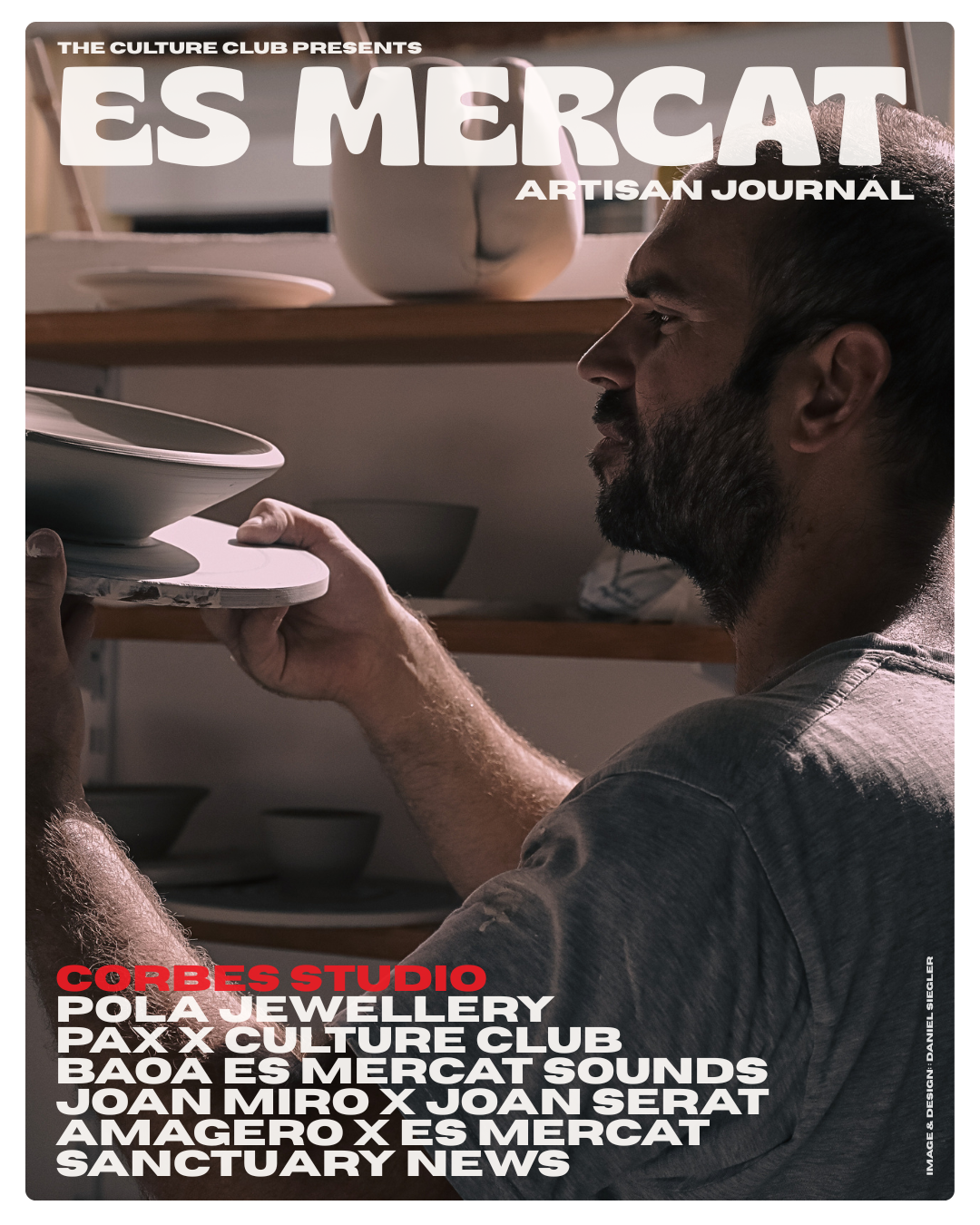
Es Mercat
Artisan Journal · Issue 01 · August 2026
The Culture Club presents — an artisan journal from Son Proenç, Mallorca.
Contents
Some Applause
Corbes Studio — The Interview — Henri Carrelet on fathers, clay, and starting over in his father's studio.
Something Felt First
Pola Jewellery — The Queen of Hearts — Paula Rincón works from a small home studio by the sea in Palma, where a piece begins long before it is a piece.
A Collaboration
Pax Gastrobar × Culture Club — A wine made for Es Mercat with local wineries, from native grapes — and two labels drawn for the occasion.
Where Es Mercat Comes Home
Maluhia Animal Sanctuary — The market takes place at Maluhia, a sanctuary at Son Proenç where rescued animals and the people who meet them find quiet ground.
Edition 02 — August 2026
Es Mercat Sounds — A playlist for dusk at Son Proenç: unhurried, borderless, and pulled from places most maps don't bother with.
From Orchard to Glass
Can Cavall Blau x Es Mercat — A small regenerative farm in Sencelles and the handmade aperitif that will be poured at Es Mercat Edition 02.
Corbes Studio — The Interview
Some Applause
Henri Carrelet on fathers, clay, and starting over in his father's studio.
Interview and Photographs by Daniel Siegler
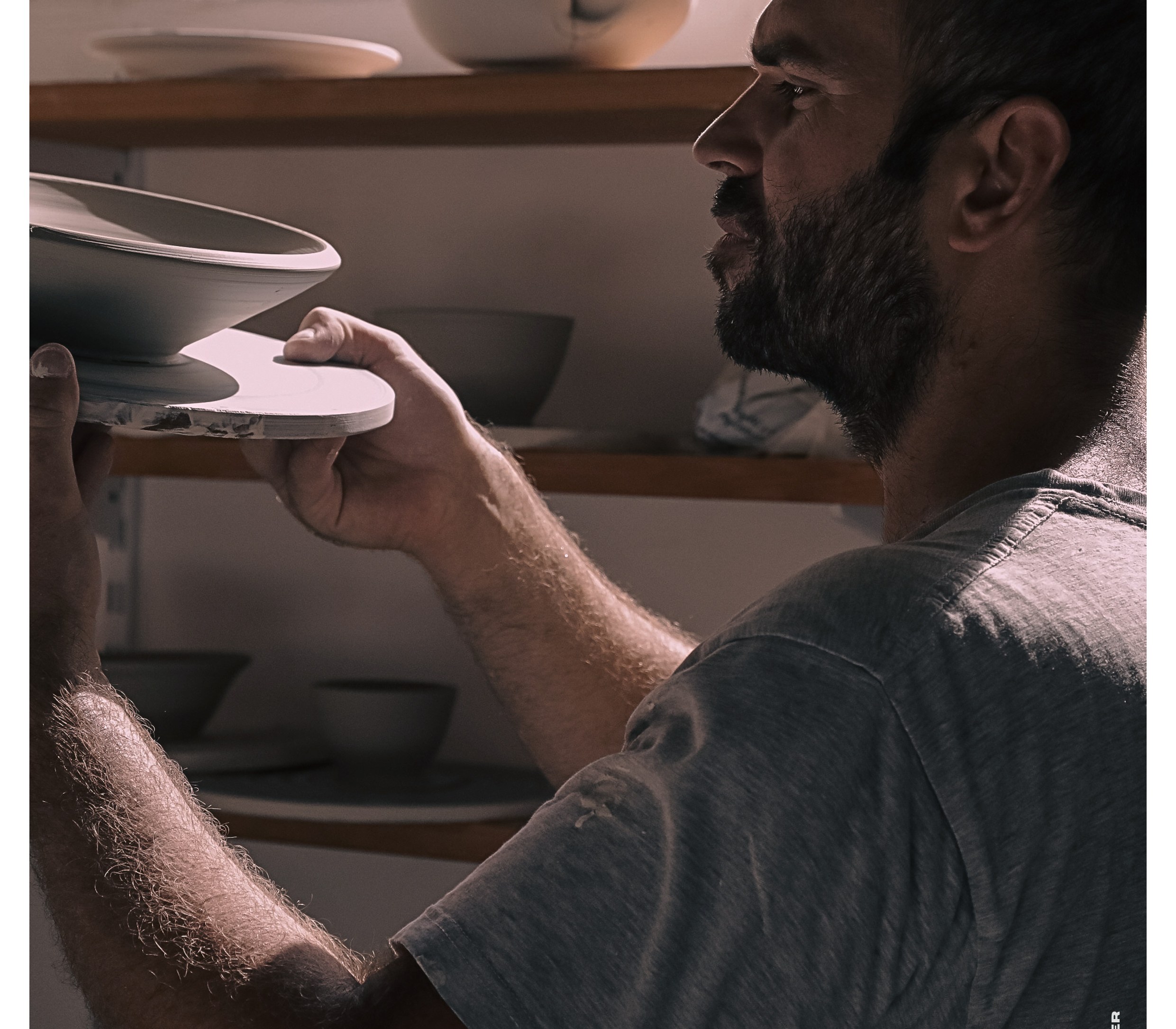
I visit Henri Carrelet on a Tuesday afternoon in August, at his studio in Felanitx, Mallorca. He offers me water, then coffee. We walk around and talk. He talks the way he works — circling, returning, finding the shape of what he means as he goes.
The studio used to belong to his father. The house he lives in now belongs to his father. His father, Stan Carrelet, died four years ago, and Henri is here again, sorting out what that means. Not in some abstract, therapeutic sense. Physically. The shelves still hold some of his father's pieces. Henri lives in this house with his wife Pauline and their young daughters, making his own work in the room where his father made his.
He's aware of how that sounds. He brings it up before I do.
“When I'm here, everyone talks to me about my father,” he says. “It's nice in a way. But now it's time.” He leaves the sentence there. He doesn't need to finish it.
Stan Carrelet learned ceramics at fourteen. His mother — Henri's grandmother — was a woman who lived her life on her own terms: six months of the year with Henri's grandfather in France, six months with her boyfriend in Ibiza. She took the boy with her to the island, where he apprenticed under a master potter named Daifa. If you ask around in Ibiza about Daifa, people still know the name. He was apparently very wealthy and lived like he had nothing — just clay, a studio, and a precision that bordered on devotion. Stan learned everything from him, starting at fourteen. He never really stopped.
By the time Henri was growing up, his father was established. Low-temperature ceramics — the robust, earthen, unmistakably Mediterranean kind. Ashtrays. Plates. Things that ended up on tables across the Balearics and became part of the furniture of people's lives. His father wasn't famous in the way that word works now. He was known. He was respected. He was the potter.
Henri watched. He learned by proximity, not instruction. His father, he says plainly, was not a good teacher. “There was always a bit of a fight.” Not dramatic, not a rupture — just the friction of two people who want to do the same thing in different ways. Henri taught himself. He struggled with the wheel, figured out the techniques on his own, made his mistakes without guidance. And at some point the fighting stopped, because Henri had found his own direction and there was nothing left to argue about.
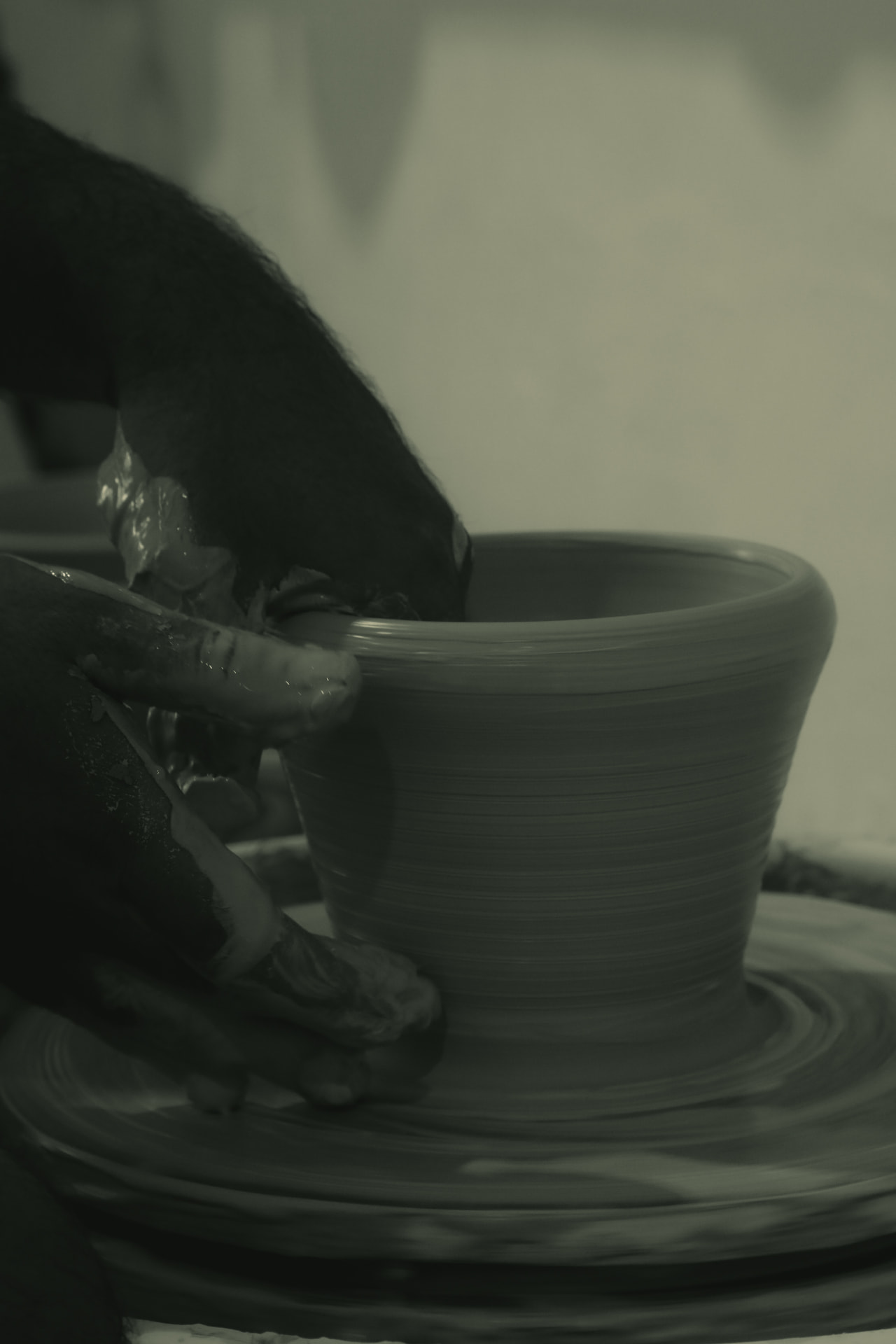
He went into high-temperature ceramics — a fundamentally different discipline. Where his father's work was thick, warm, generous in scale, Henri's is thin, precise, almost austere. At high temperature, clay becomes something close to stone. It doesn't need glaze. You can throw walls so fine that a bowl changes the way you drink from it — the weight in your hand, the feeling against your lips. It's a different relationship with the material. Less forgiving, more revealing.
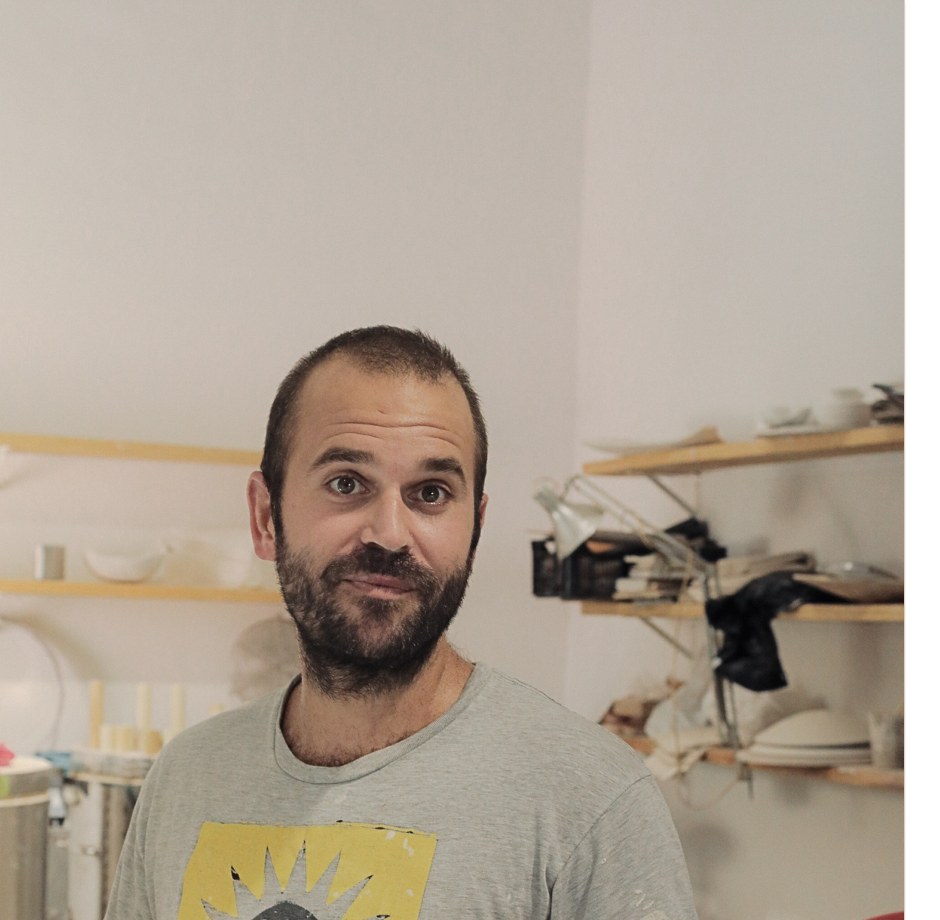
My father didn't used to compliment us. But at the end, before he died, I could have some applause about what I'd done in Paris.Henri Carrelet
He says it without drama, like he's reporting the weather. Some applause. It's one of those lines you don't push on. You just let it sit.
What he'd done in Paris was run a ceramics studio for seven years. It was tiny — eight people at a time, every day, sharing a space that was too small for all of them. It became the place to go. Not because of marketing or social media, but because of what happened to people when they sat at the wheel. Henri had figured out how to teach throwing by breaking it into eight steps and working with open hands, so the student could see exactly where the pressure goes. Most potters work with closed fists. You can't see anything. Henri opens his hands and shows you the force.
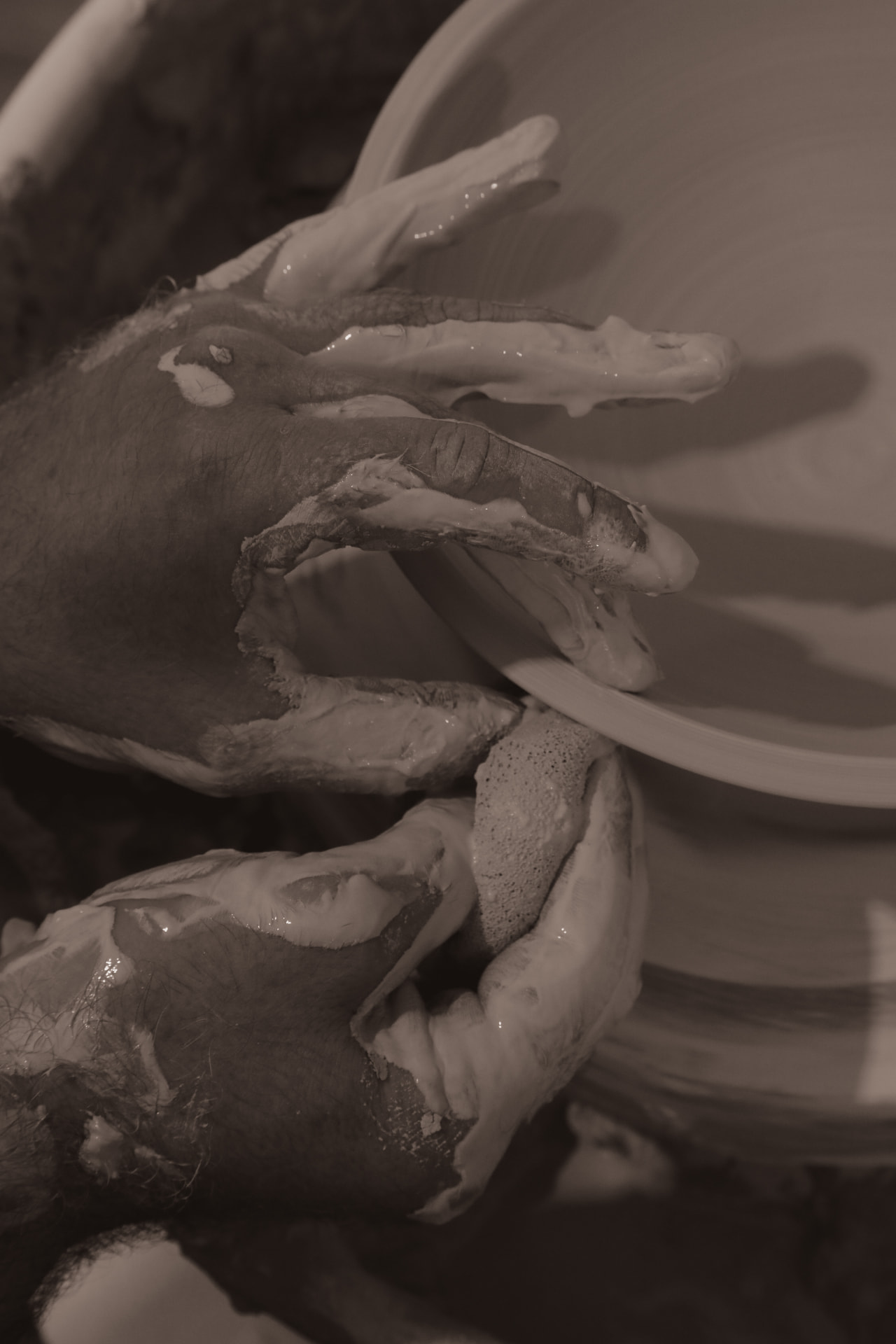
People came back. Actors, musicians, teachers, nurses. He discounted the ones who couldn't afford it — he doesn't make a point of this, it comes up in passing. What interests him more is what the wheel does to time.
“You forget about time,” he says. “Time goes super quick. Whatever is making you suffer disappears.” He catches himself. “I don't like to call it art therapy. I'm talking about the real thing that makes you addicted to it. It's a time in your day when nothing bothers you. The feeling with your hands, the connection with the clay — it's physical. Every time you get a little bit better. And the progress is real.”
He tells me that concert pianists used to come to his studio to develop the sensitivity of their touch. The delicacy of the pressure, the subtlety of contact — it transfers from the clay to the keyboard. It sounds unlikely until you think about it for a moment and realise it makes perfect sense. Both disciplines are about listening through your fingertips.
There is a French term he uses: artisanat d'art. It means something more than craft but doesn't reach all the way to art — an in-between. That's where Henri wants to live. Not making purely functional objects, not making useless sculpture, but occupying the territory where a bowl can be both something you drink from and something that stops you mid-step when you see it on a shelf.
The move
The move from Paris was practical before it was poetic. Pauline grew up in Italy by the sea. Henri grew up between the Caribbean, Mallorca, and eventually the suburbs of Paris. They had young children in a city that was expensive, noisy, and draining. Mallorca made sense because the house was here, empty. They saved money. He sold his business. They planned the move for a year and then loaded the trucks.
“It's not a holiday,” he doesn't say, but it's what he means. The rent is cheaper. The studio is bigger. He has space and time and less of the pressure that kept him from making his own work in Paris, where every hour was given over to teaching. Here he can be slower. He can make the complicated pieces he's been carrying in his head. He can fail at things that take weeks.
When he arrived, he spent the first year finishing what he calls “closing the chapter.” He reproduced his father's most recognisable pieces — the ashtrays, the plates — partly because friends like Dorian pushed him to, partly to prove he could do it technically, and partly, I think, because you sometimes have to walk all the way through a door to know you're on the other side of it. Es Mercat will be the end of that chapter, he says. After that, when you walk into his studio, you'll see his work. Not his father's.
There is one moment in the conversation where he lights up in a way that has nothing to do with legacy or family. He shows me photographs of terra sigillata — a technique he learned in central France and brought back to his father, one of the rare occasions when the knowledge flowed the other way. You take wild clay, separate the finest particles through a slow settling process, and fire them. The result looks like metal. Or wood. Or something else entirely. No glaze, no additives. Just clay, sorted and fired. His father, who had stopped making ceramics for a few years out of exhaustion, came back to the wheel because of this technique. Henri brought it to him.
He was happy to learn things from a fresh guy that's super energetic.On his father, and terra sigillata
He's smiling. It's the only time in the conversation when the father–son dynamic flips completely, and you can feel what it meant to him. Not just to be the son of Stan Carrelet. To be the one who brought something new.
We talk about Mallorca. About the energy on the island, the money and the emptiness, the need for places where people can actually meet each other rather than just coexist in expensive proximity. Henri talks about a German neighbour named Thomas Wagner who used to bring orchestras to play in his garden and taught Henri about classical music over cocktails that changed every summer. He talks about how ceramics can be a shared language in a place where five nationalities sit around the same table and nobody speaks the same tongue.
“The language of ceramics, the language of music — you don't need to talk,” he says. It's not a grand theory. It's just what he's noticed.
Near the end, the light has shifted. The air has changed in that way it does here when the afternoon tips into evening. I ask him what he wants.
“I just want to enjoy,” he says. “That's the most important. And just get enough money to survive and offer my daughters a decent meal in the evening.”
His older daughter speaks three languages at four years old. She struggled at first with the move — new school, new culture, new everything. Now she's opening up. He watches it happening the way you watch a kiln: you can't rush it, you can't open the door early, you just have to trust the heat.
Henri Carrelet stands in his doorway. The studio is his father's. The island is his father's. The clay is drying on his hands, and it's his own.
In this story
Corbes Studio — Henri Carrelet — Ceramics, Felanitx @corbesstudio
Pola Jewellery — The Queen of Hearts
Something Felt First
Paula Rincón works from a small home studio by the sea in Palma, where a piece begins long before it is a piece.
Es Mercat Journal
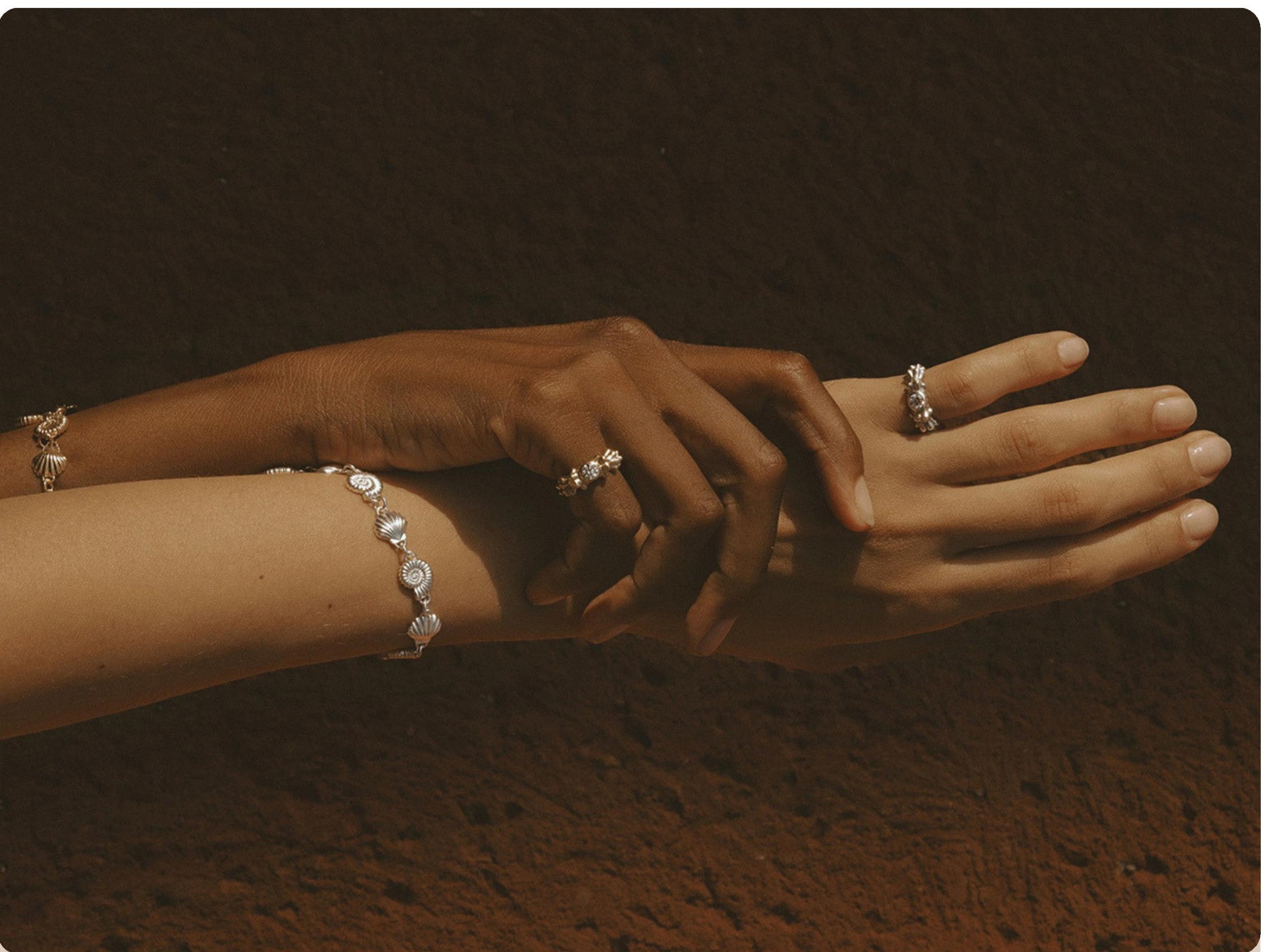
Before a Pola piece ever becomes something you can hold, it lives for a long time as something felt. Paula Rincón — Pola — works from a small home studio by the sea in Palma, where the process begins not at a workbench but in research, in symbol, in instinct. She sketches. She circles ideas. She sits with references that span the mystical and the modern until a form starts to emerge that means something — not just looks like something.
From there, the work becomes a conversation. Paula's partner Bernat Fornes, a 3D artist, translates her designs into digital form — giving dimension to what started as line and intention. It's a back-and-forth between hand and screen, intuition and precision, until the piece finds its shape. Then it travels to small workshops in Barcelona, where local craftspeople bring it into the physical world — cast, finished, handled with the kind of attention that only comes from working at a human scale.
No factory logic. No rush. Just a woman on an island, designing with care.
This is how Pola Jewellery has operated since 2018. No factory logic. No rush. Just a woman on an island, designing with care, building slowly alongside the people she trusts — and making a life from it.
Come meet Paula at the second edition of Es Mercat.
polajewellery.com — @polajewellery
In this story
Pola Jewellery — Paula Rincón — Jewellery, Palma @polajewellery
Pax Gastrobar × Culture Club
A Collaboration
A wine made for Es Mercat with local wineries, from native grapes — and two labels drawn for the occasion.
Sebastian Kauffeld, owner of Pax Gastrobar — Felanitx
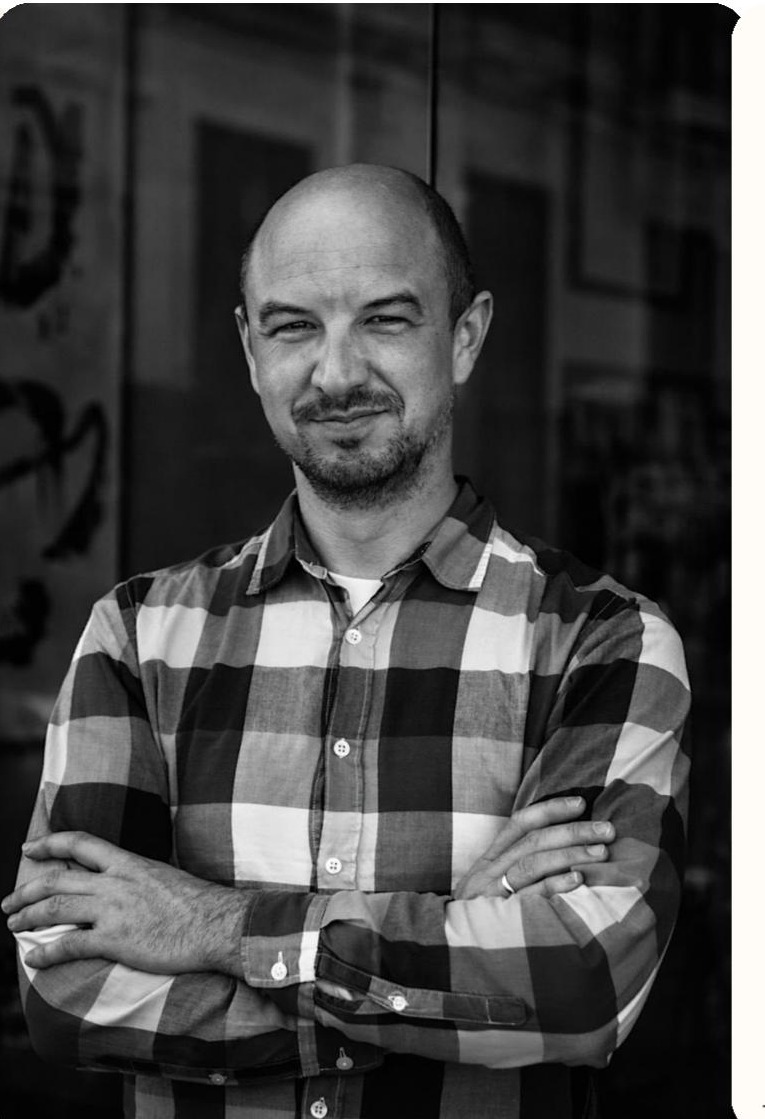
Wine is far more than a product. It preserves landscapes, tells stories, and connects generations.
For us at Pax, it was therefore a particular pleasure to develop a wine for Es Mercat together with local wineries — from native grapes and with great respect for the Mallorcan winemaking tradition.
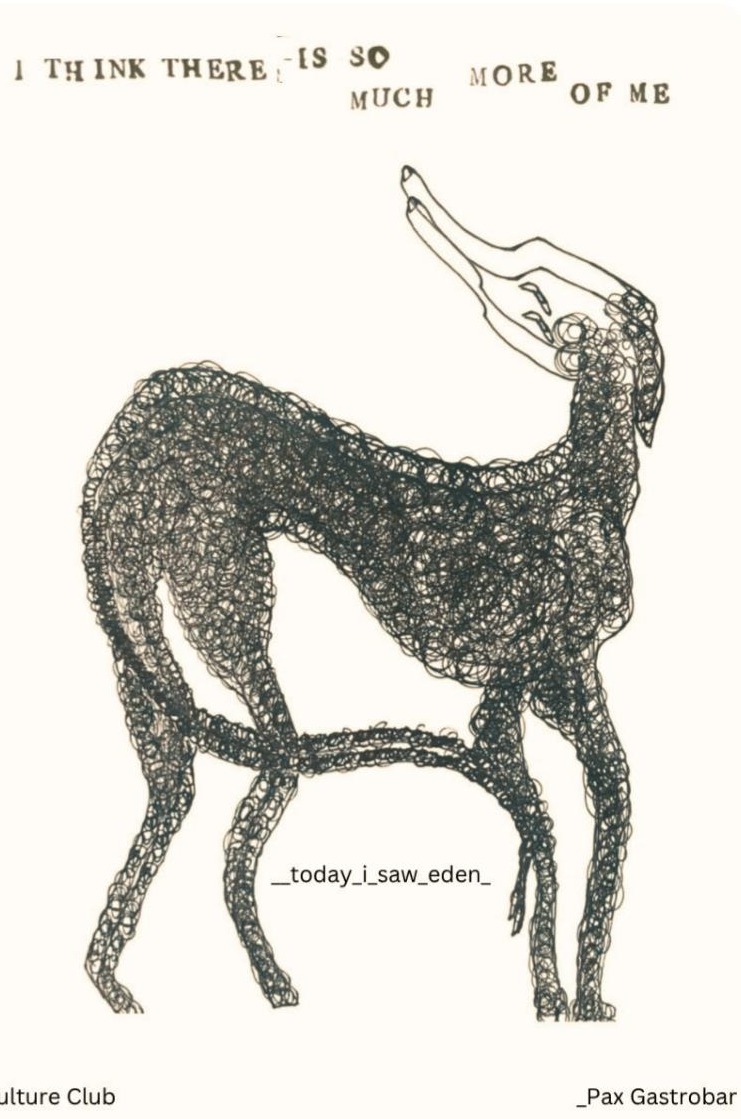
Es Mercat creates a place where producers, artisans, and culture become tangible and real. Projects like these help to preserve regional identity while simultaneously looking towards the future.
Pax means peace. Good gastronomy begins where respect for origin, craftsmanship, and people is practised.Sebastian Kauffeld
Pax means peace. And we believe that good gastronomy begins where respect for origin, craftsmanship, and people is practised.
pax-gastrobar.com — Pax Gastrobar, Felanitx
In this story
Pax Gastrobar — Sebastian Kauffeld — Wine & gastronomy, Felanitx @paxfelanitx
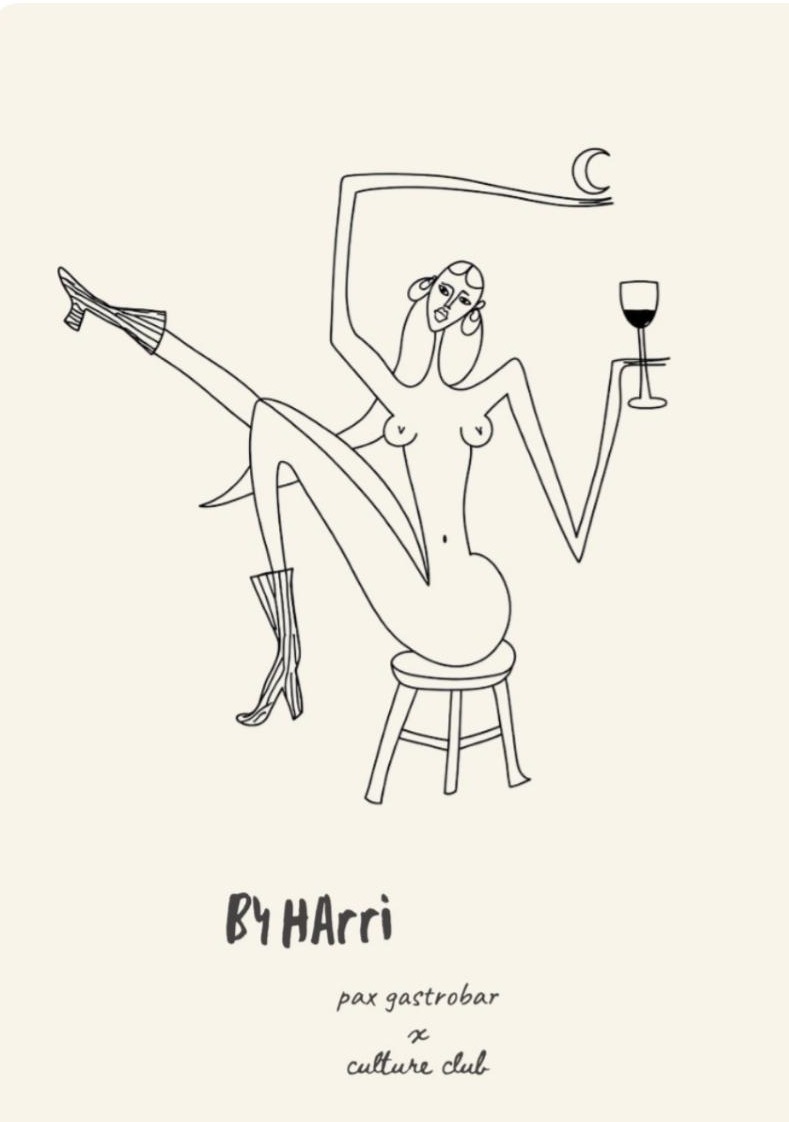
Harri × Culture Club — Wine label artwork
Today I Saw Eden × Culture Club — Wine label artwork
Maluhia Animal Sanctuary
Where Es Mercat Comes Home
The market takes place at Maluhia, a sanctuary at Son Proenç where rescued animals and the people who meet them find quiet ground.
Words by Daniel Siegler
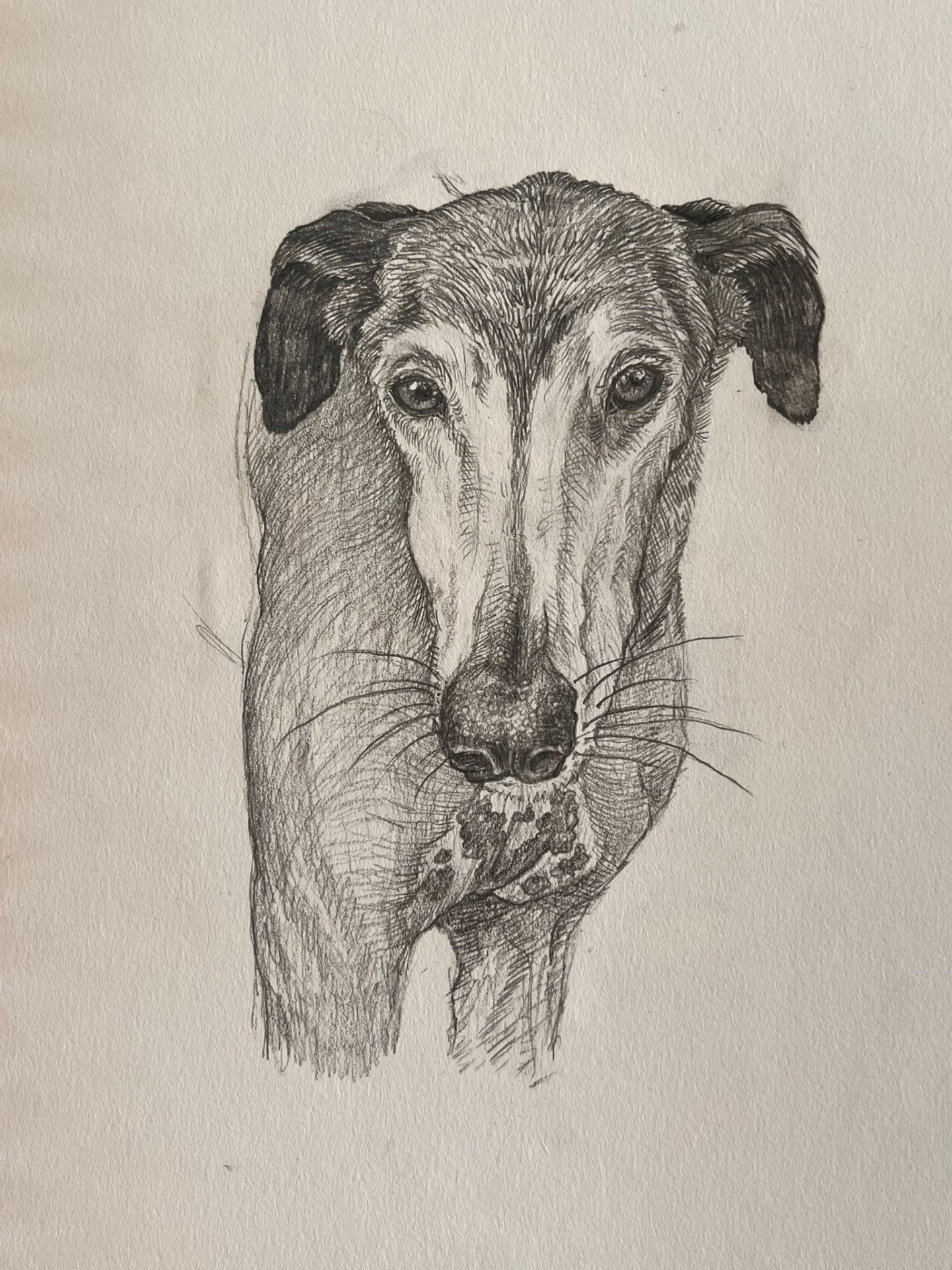
Es Mercat takes place at Maluhia, an animal sanctuary at Son Proenç in Felanitx, run by Mashanti. The animals here — horses, pigs, dogs, cats — were all found in difficult circumstances, nursed back to health, and given a life on the farm.
At the heart of Maluhia are two horses, Aponi and Noah. Mashanti's particular skill lies in listening to horses — reading what they carry, understanding how they communicate. Animals that have been through their own healing process tend to meet people differently: more open, more still, more present. Mashanti has built a place around that quality, where animals and humans simply share space, honestly — and where, for many who come here, something shifts. People find their way through things they've been carrying, often without quite knowing how. If you are interested in this process, please get in touch. Mashanti does retreats and seminars, or simple sessions.
Animals that have been through their own healing process tend to meet people differently: more open, more still, more present.
But none of this runs on goodwill alone. Feeding, housing, and caring for rescued animals year-round takes real means — veterinary bills, vaccinations, food, the quiet daily work of keeping lives going. You can help by making a donation when you visit the market, or by sponsoring an animal for a full year, covering the essentials of their care.
If you'd like to support Maluhia, learn more, or simply say hello:
maluhia.project@gmail.com — Email Maluhia
@maluhia_animal_sanctuary — Instagram
In this story
Maluhia Animal Sanctuary — Mashanti — Sanctuary & host, Son Proenç @maluhia_animal_sanctuary
Sadie Siegler — Illustration sadiesiegler.lovable.app
Es Mercat Sounds
Edition 02 — August 2026
A playlist for dusk at Son Proenç: unhurried, borderless, and pulled from places most maps don't bother with.
Curated by BAOA
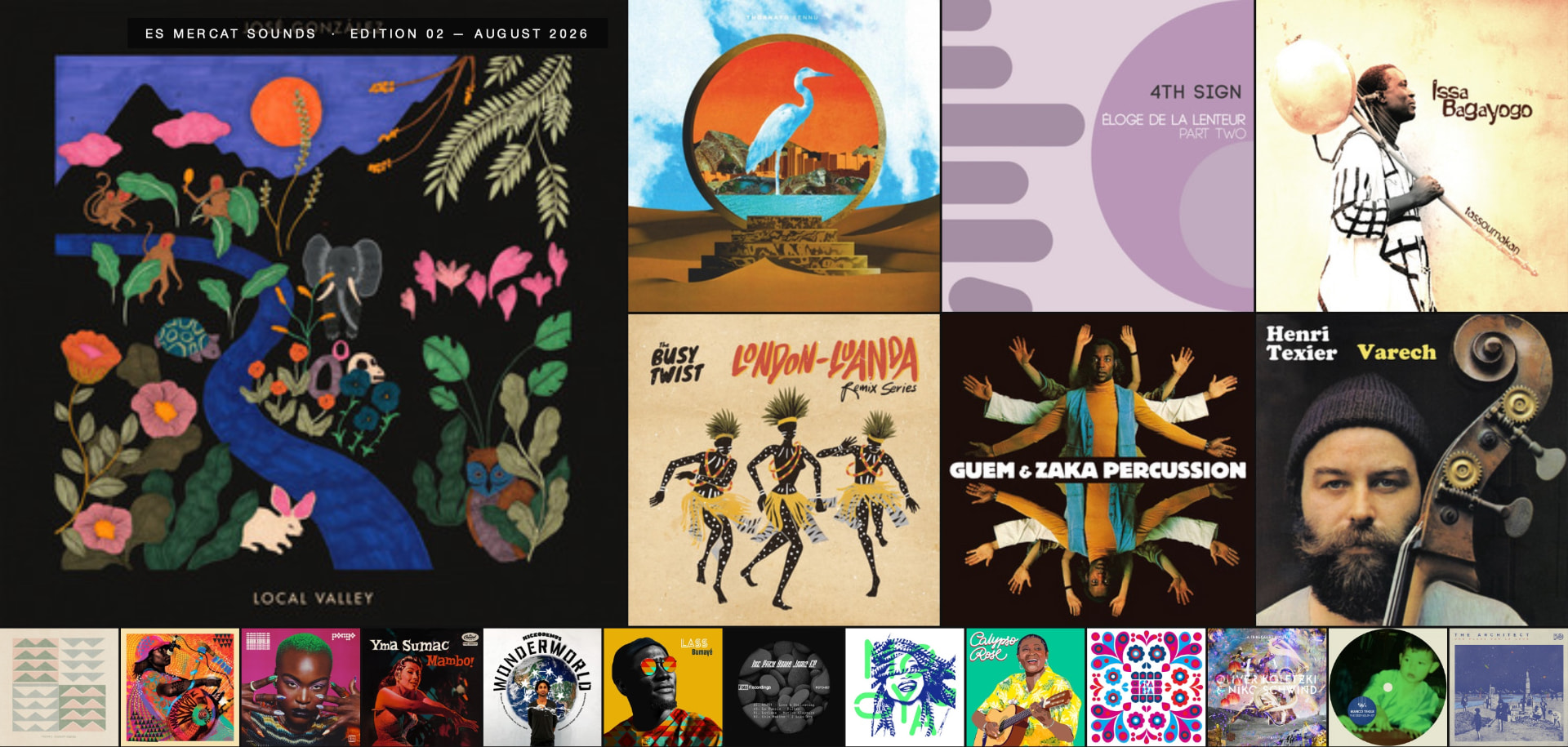
Dusk at Son Proenç. The trees do what the trees do. Underneath them, the air cools and the music takes over — unhurried, borderless, pulled from places most maps don't bother with.
This month's selection moves the way a good evening moves: slow recognition, quiet build, the moment you stop talking and just listen. From Bamako to Bogotá, from Henri Texier's bass to Calypso Rose still dancing at eighty-something. No playlist algorithm got here. Someone did — BAOA, our dear Culture Club member, who will curate Es Mercat Edition 02 music and live program with love and dedication.
No playlist algorithm got here. Someone did.BAOA
Listen on Spotify — Es Mercat Sounds, Edition 02
In this story
BAOA — Music curation & live programme Es Mercat Sounds on Spotify
Can Cavall Blau x Es Mercat
From Orchard to Glass
A small regenerative farm in Sencelles and the handmade aperitif that will be poured at Es Mercat Edition 02.
Es Mercat Edition 02
Some things find each other. Es Mercat is a market built around people who make things with care, and Can Cavall Blau is exactly that kind of place — a small regenerative farm in Sencelles where Katja and her family tend horses, work the land, and produce Amargéro, a handmade aperitif that tastes like Mallorca actually tastes.
Amargéro is made from bitter oranges — the deep, aromatic fruit that grows across the island and has shaped Mallorcan life for centuries. You see the trees everywhere, lining roads, filling courtyards, heavy with fruit through winter. At Can Cavall Blau, they're grown organically, picked by hand in February at peak ripeness, pressed on the farm, and distilled in small batches with a local distillery. No additives, no shortcuts. Each vintage carries the particular character of its year on the island.
At Es Mercat, we'll be pouring Amargéro Spritz — the simplest way to meet this drink and the people behind it. A Mallorcan product made honestly, shared at a market that exists for exactly that reason.
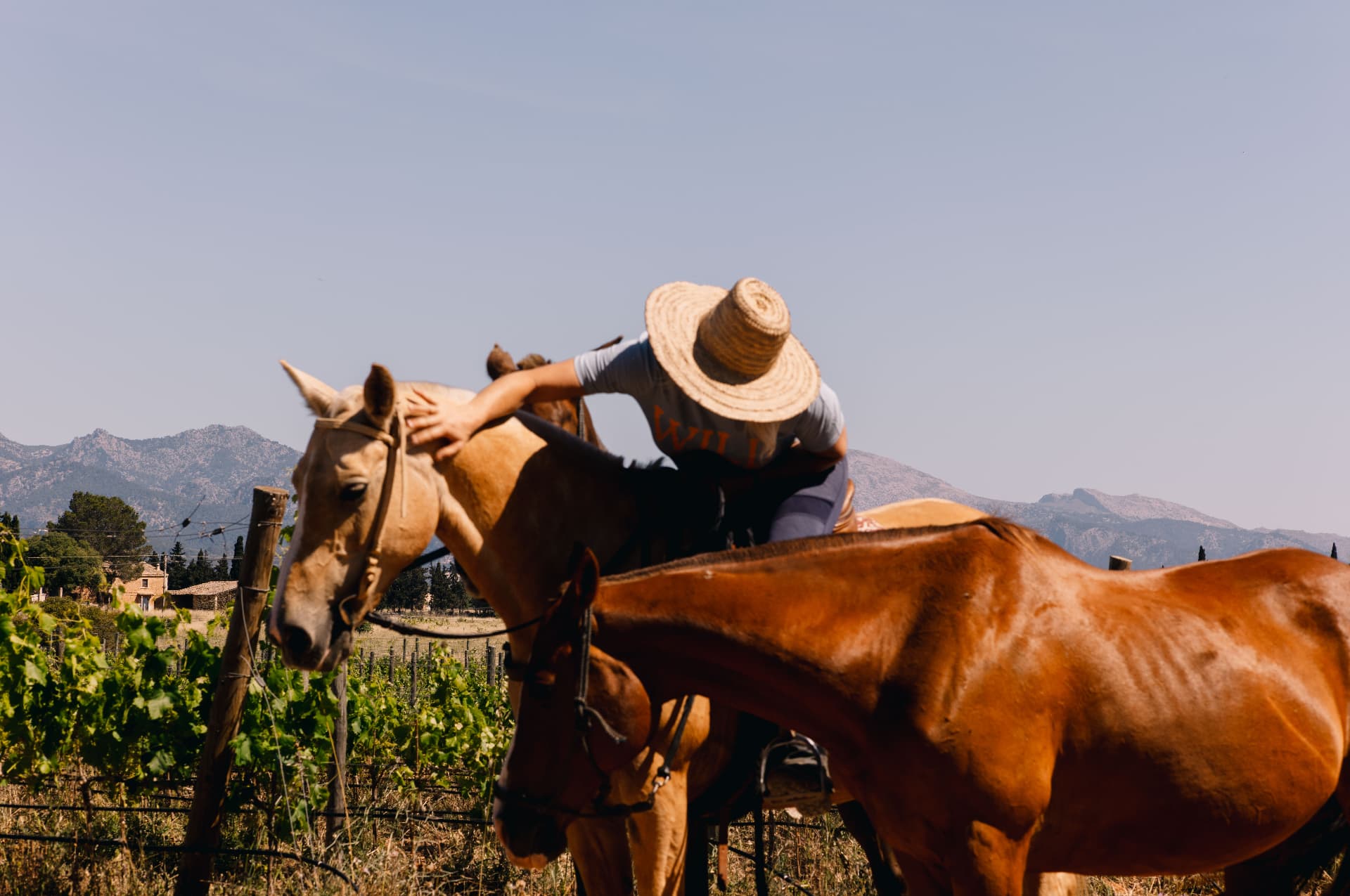
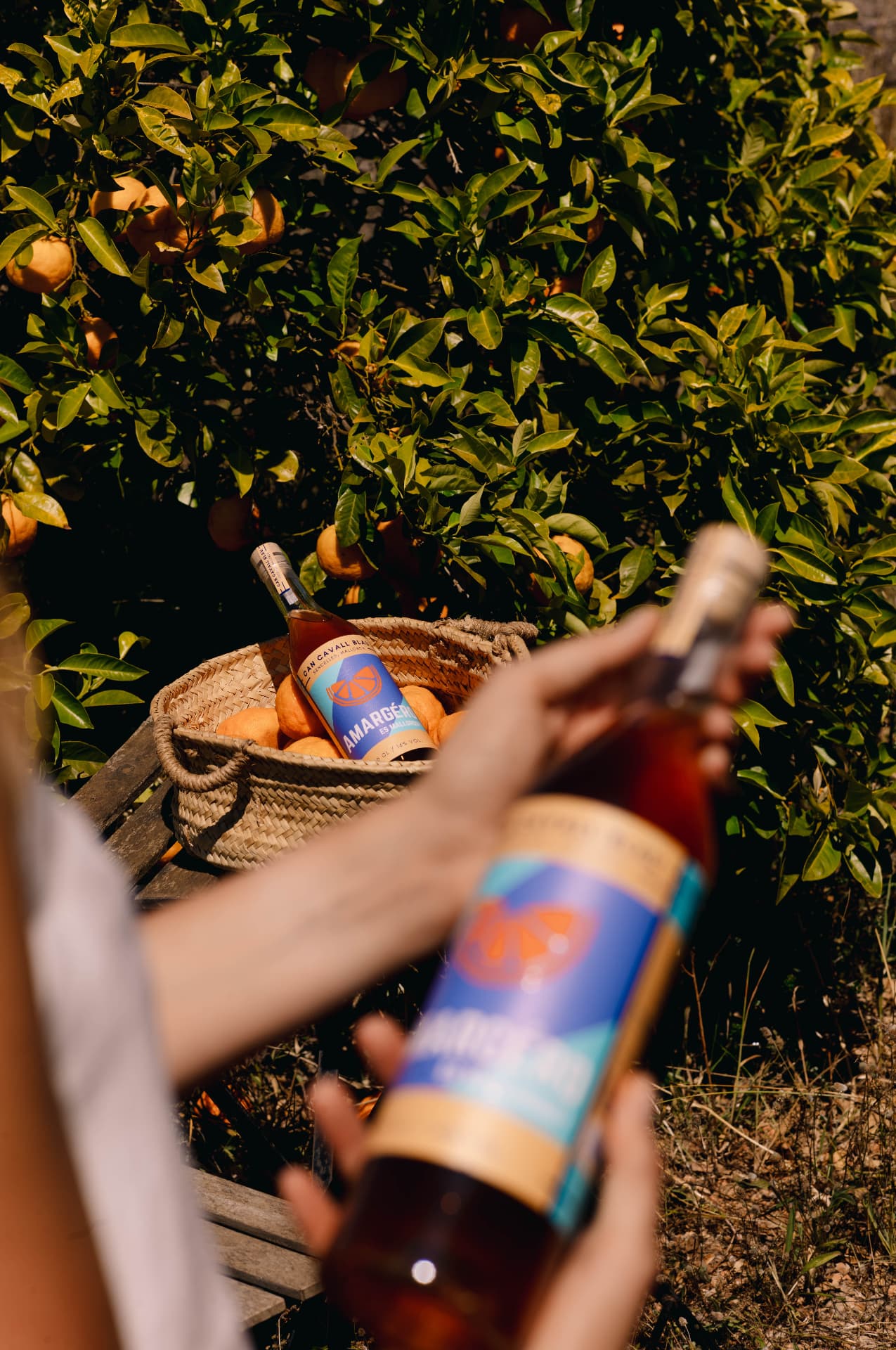
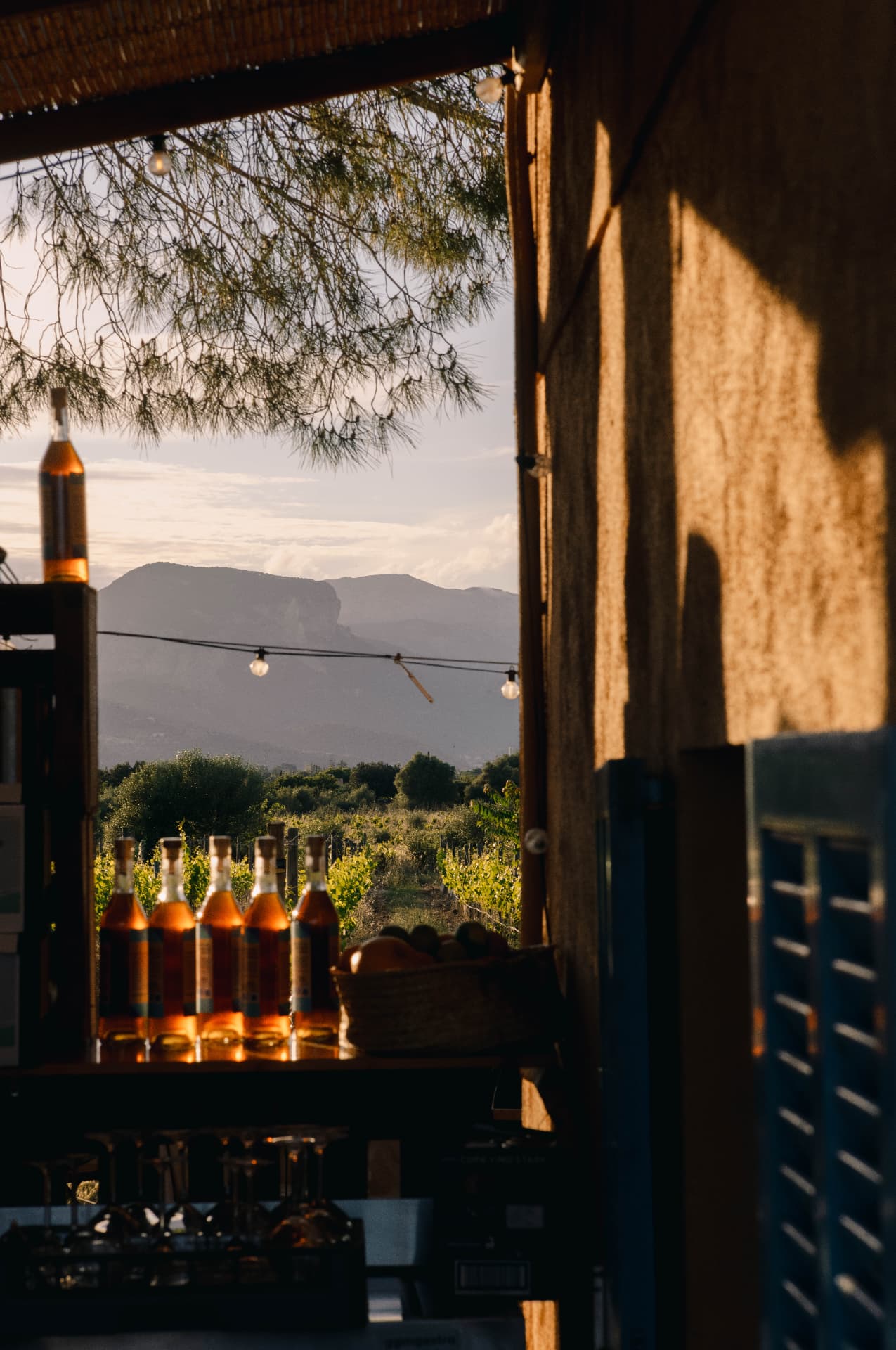
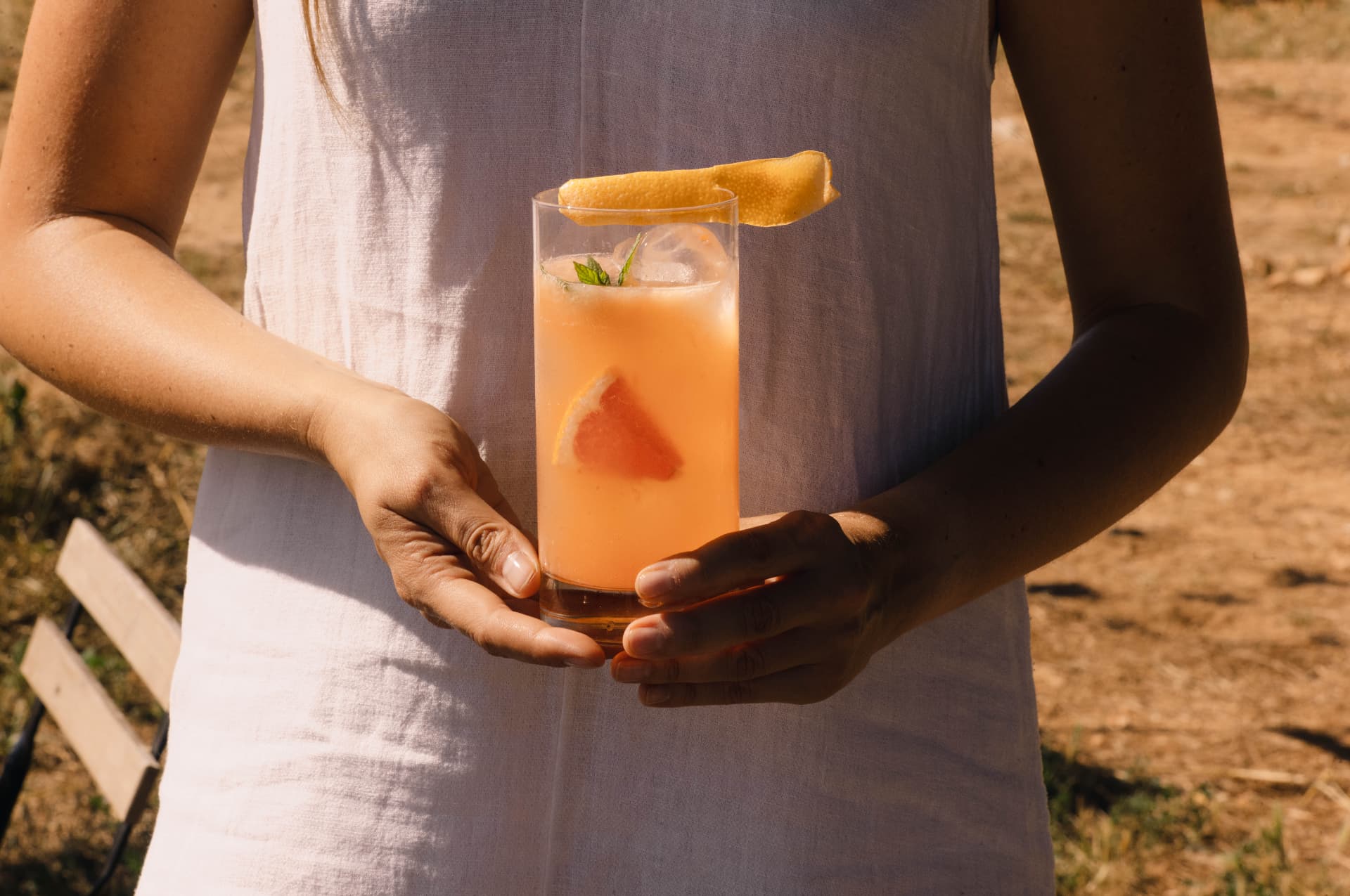
On Fridays and Sundays, Can Cavall Blau opens its doors to anyone who wants to visit — riders, walkers, tasters, the curious. It's worth the drive.
cancavallblau.com — Visit the farm
@cancavallblau — Instagram
In this story
Can Cavall Blau — Katja & family — Regenerative farm & Amargéro, Sencelles @cancavallblau
With thanks
Issue 01 was made with the makers, farms, kitchens and hosts below. Find them, visit them, follow them.
Corbes Studio — Henri Carrelet
Ceramics, Felanitx
@corbesstudio
instagram.com/corbesstudio
Pola Jewellery — Paula Rincón
Jewellery, Palma
@polajewellery
polajewellery.com
Pax Gastrobar — Sebastian Kauffeld
Wine & gastronomy, Felanitx
@paxfelanitx
pax-gastrobar.com
Harri × Culture Club
Wine label artwork
Today I Saw Eden × Culture Club
Wine label artwork
Can Cavall Blau — Katja & family
Regenerative farm & Amargéro, Sencelles
@cancavallblau
cancavallblau.com
Maluhia Animal Sanctuary — Mashanti
Sanctuary & host, Son Proenç
@maluhia_animal_sanctuary
instagram.com/maluhia_animal_sanctuary
Sadie Siegler
Illustration
sadiesiegler.lovable.app
BAOA
Music curation & live programme
Es Mercat Sounds on Spotify
open.spotify.com/playlist/3joksO3OUR6mUlqRpMizga
Fundació Pilar i Joan Miró / Taller Sert
Archive & inspiration, Palma
miromallorca.com
Daniel Siegler — discipline.global
Creative direction, words & photography
discipline.global
Next issue
Es Mercat · Son Proenç · Felanitx · Mallorca
esmercat.net · info@esmercat.net · @esmercat_mallorca
Image & design: Daniel Siegler