SES TALAIOLES - WINEMAKING
Born On The Vine
Sebastian Erbeldinger (28) and His First Harvest as Winemaker at Ses Talaioles
Interview & Photographs by Daniel Siegler
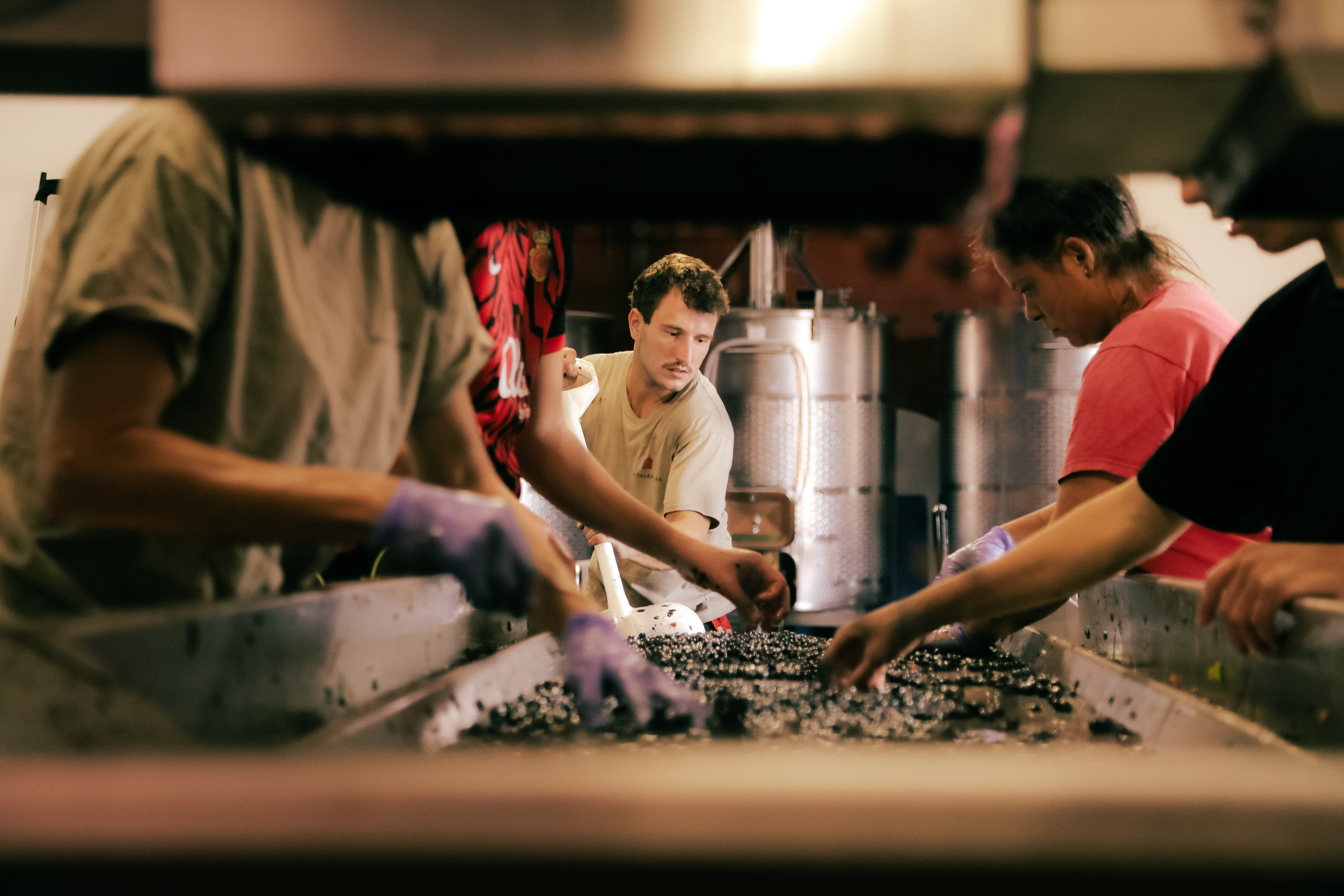
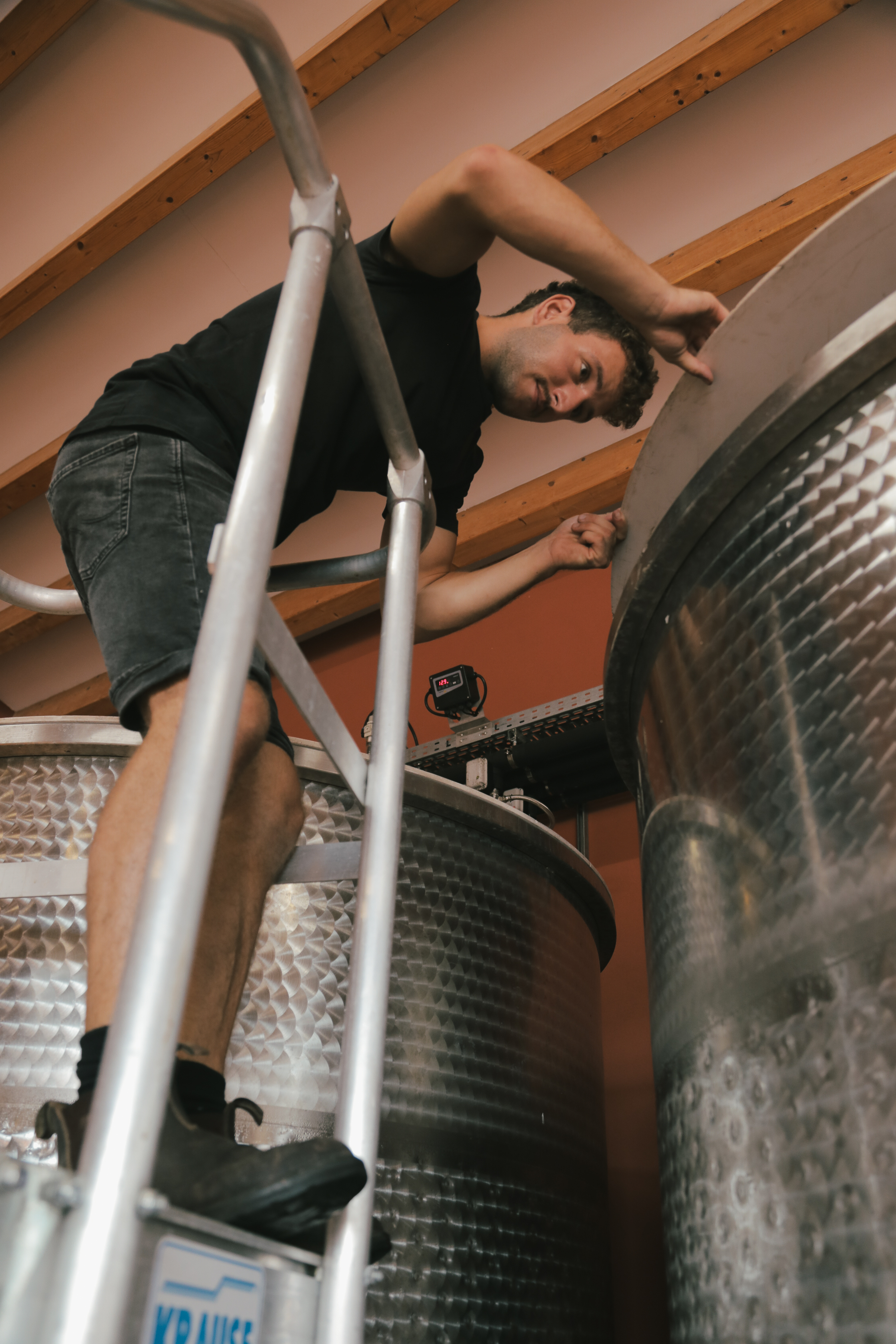
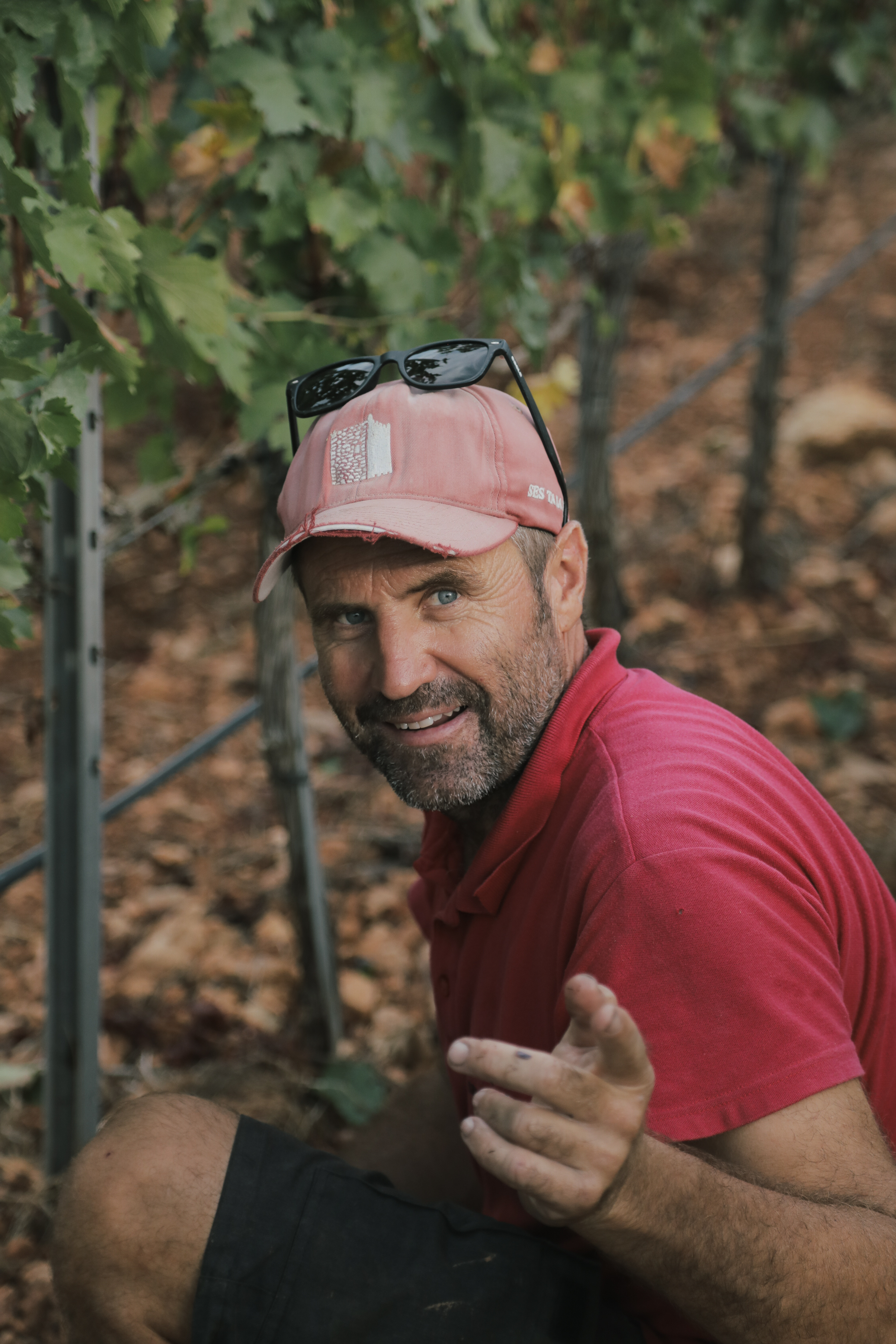
There is a particular kind of confidence that comes from growing up with your hands in the soil. Not the brash, declarative kind — but something quieter, rooted in rhythm and repetition. Sebastian Erbeldinger, a 28-year-old winemaker from Germany's Rheinhessen region, carries it with him. He arrived on Mallorca in June to take the helm as the new winemaker at Ses Talaioles, a boutique estate tucked between Manacor and Porto Cristo on the island's east coast. It is his first season here, and luckily, it has been a really great harvest so far. Sebastian didn't fall into wine by accident. He was born into it — literally raised on his family's vineyard in Germany's largest wine-growing region. But he is quick to distinguish between inheritance and intention.
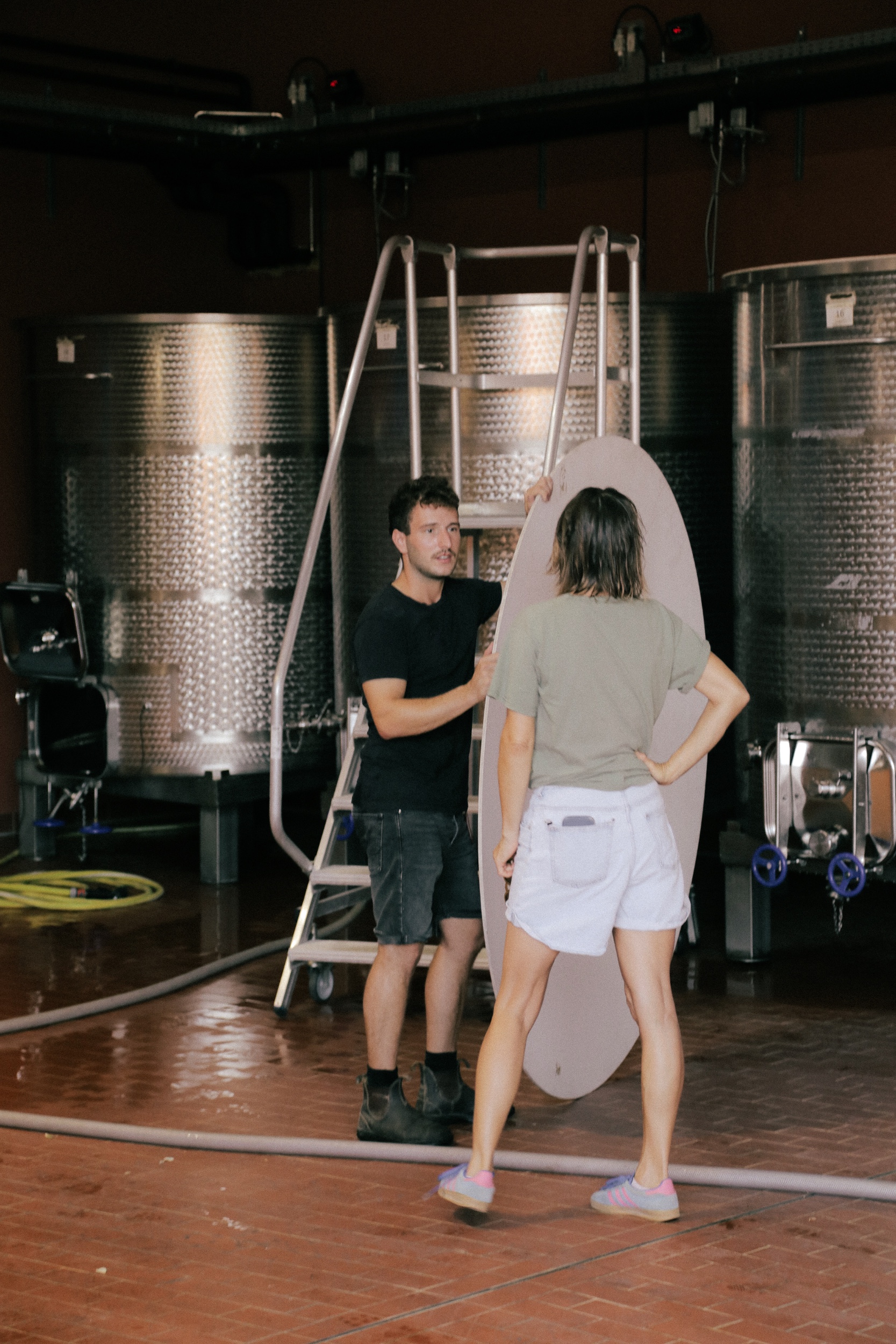
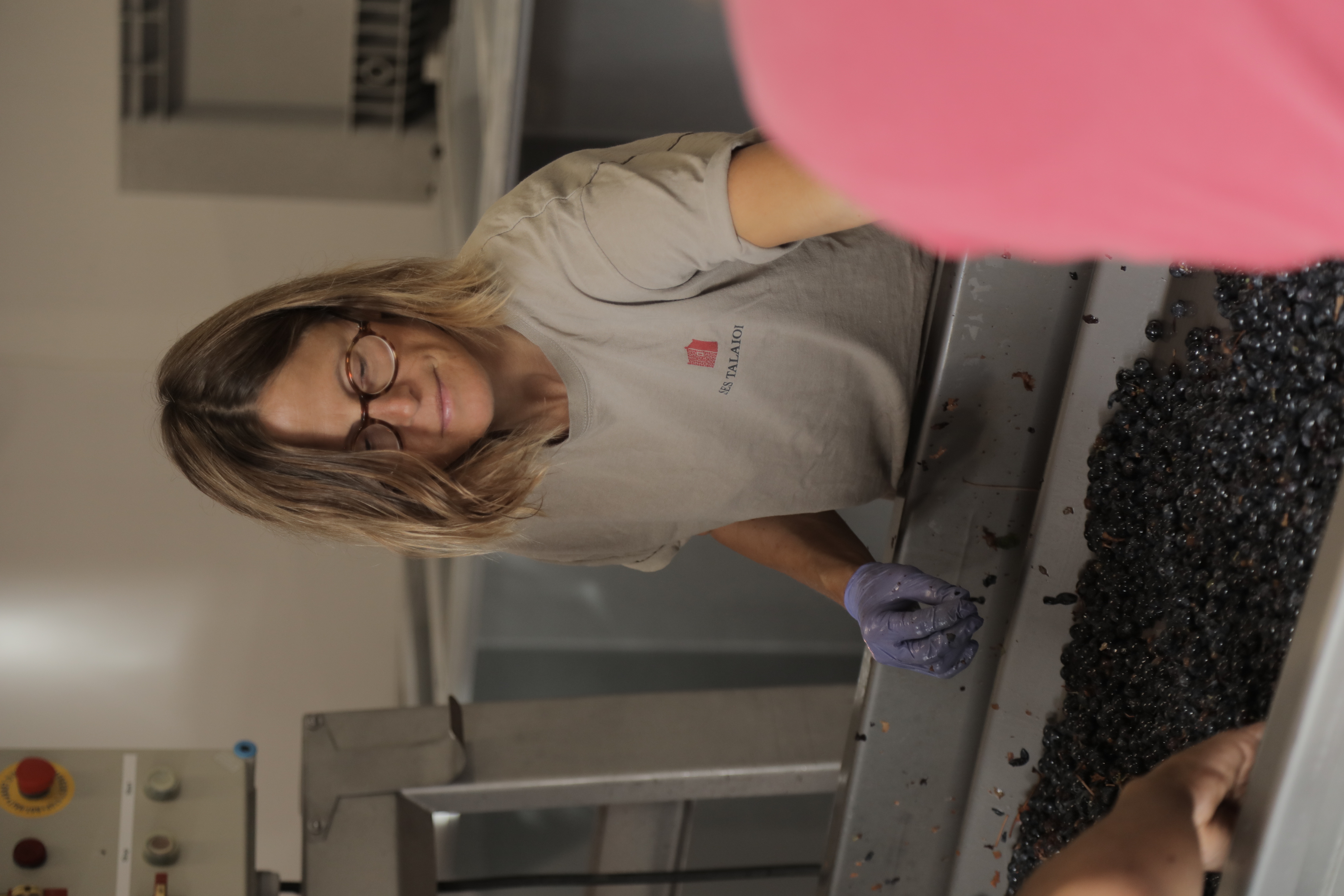
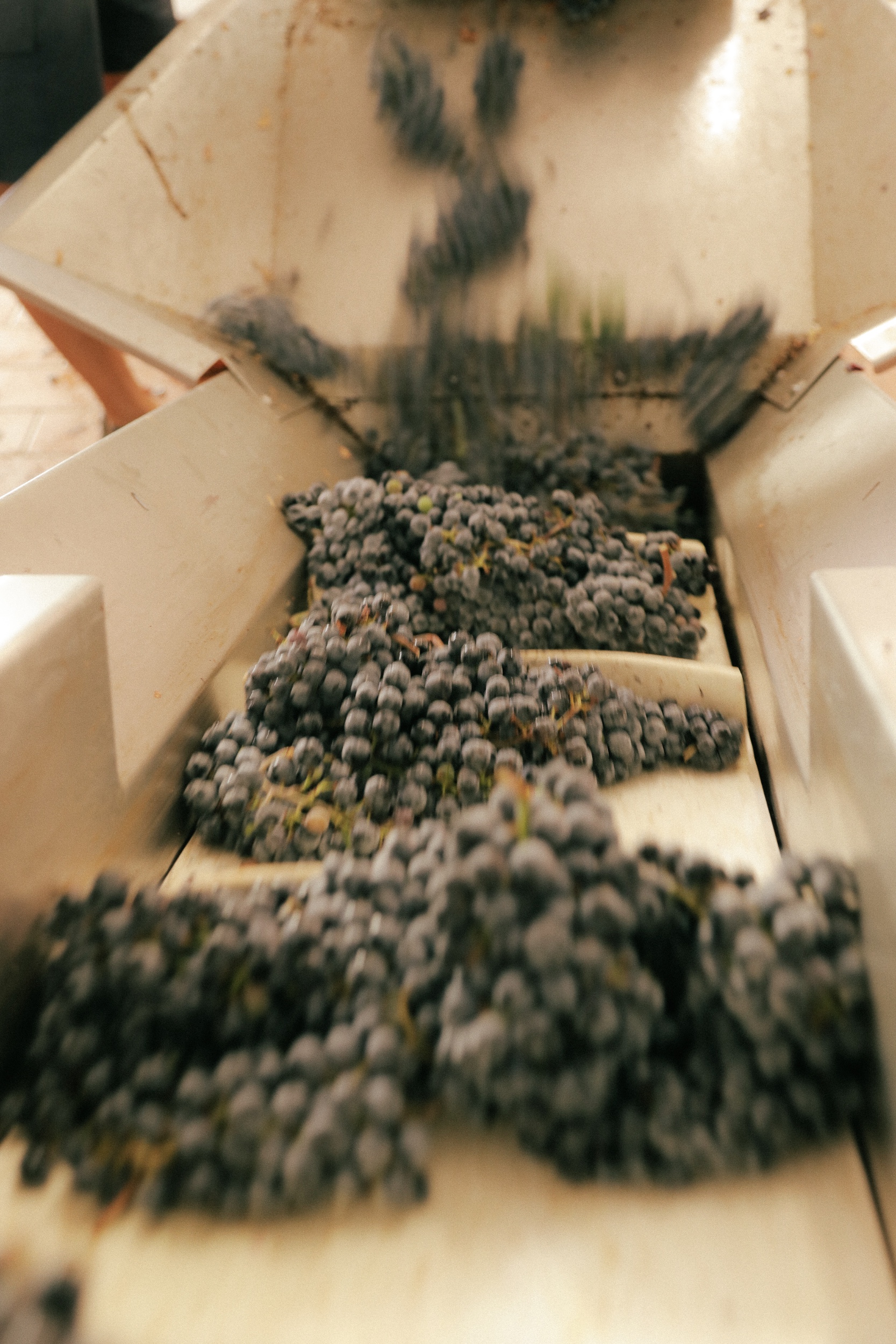
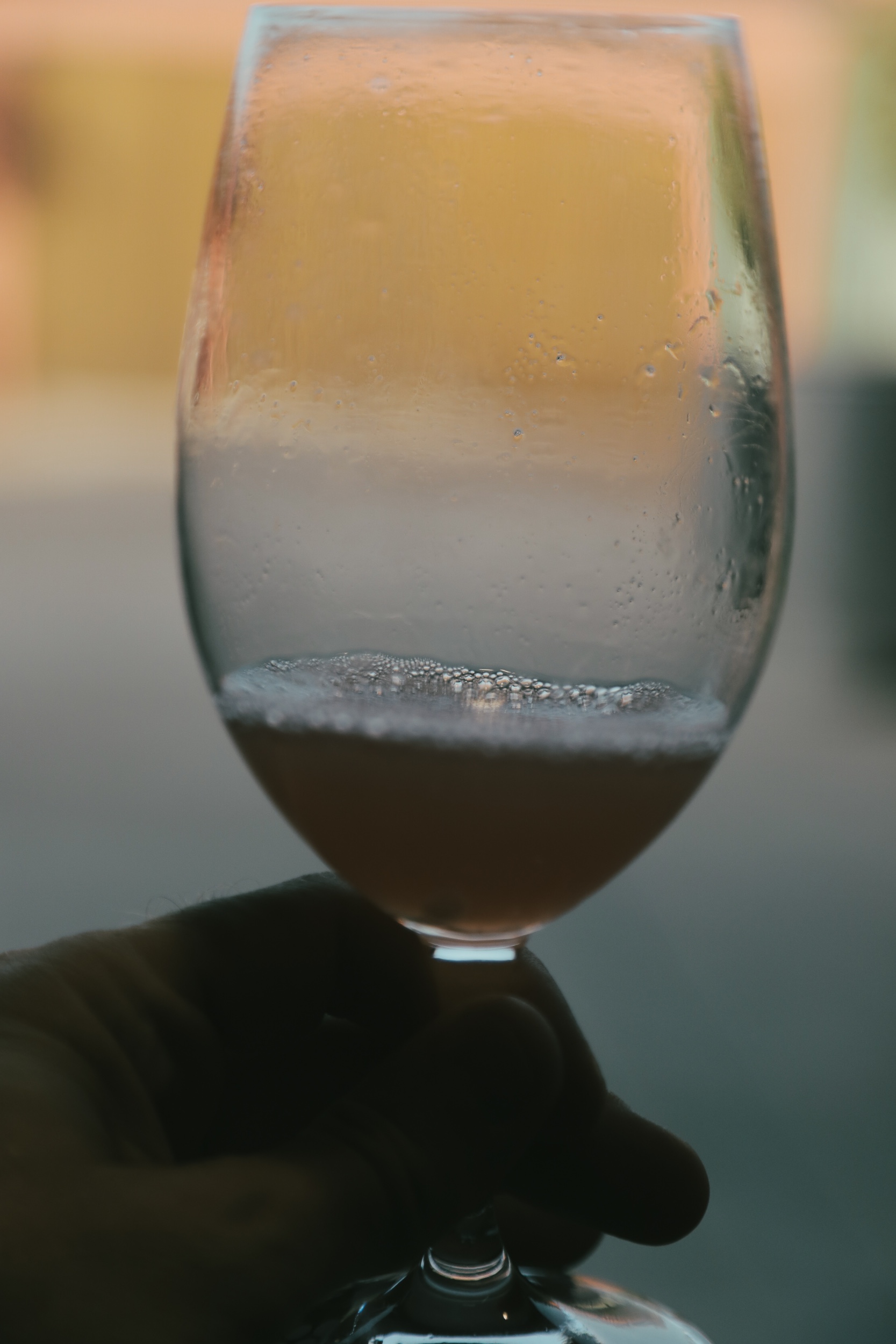
"I made an active decision to become a winemaker," he says. "If you only do it because it's the family trade, it won't work. Winemaking is agriculture. If your heart isn't fully in it, you might as well leave it." That conviction led him through a three-year apprenticeship across three German estates, followed by a degree in viticulture at the renowned Geisenheim University. From there, he chased harvests around the world — Australia, New Zealand, South Africa, even Nepal — absorbing new perspectives on wine and on life. Each stop sharpened his instincts and widened the frame through which he sees his craft.
"After a summer that brutal, I thought the vines would be exhausted. But what's lying in the barrels now is genuinely exciting."
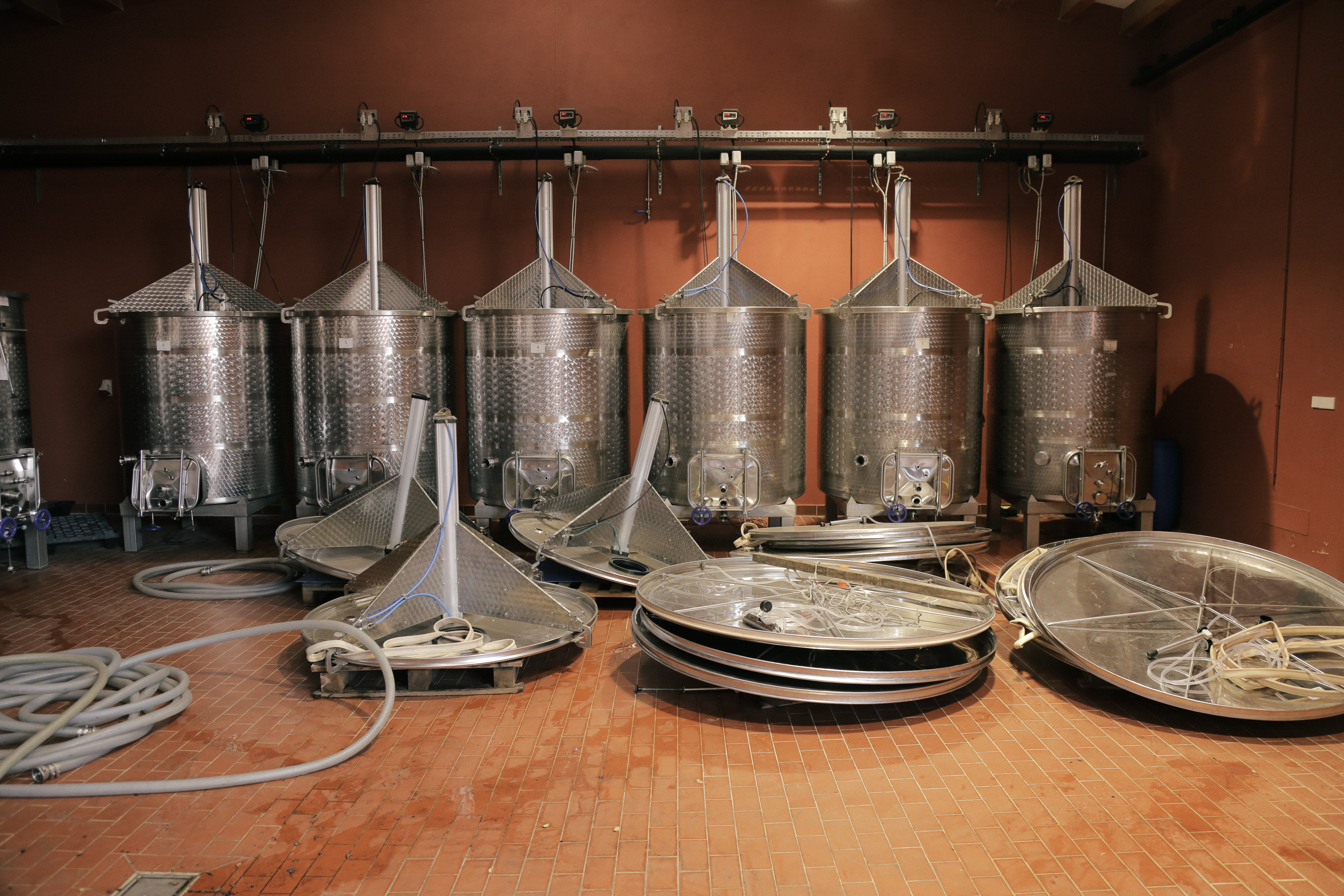
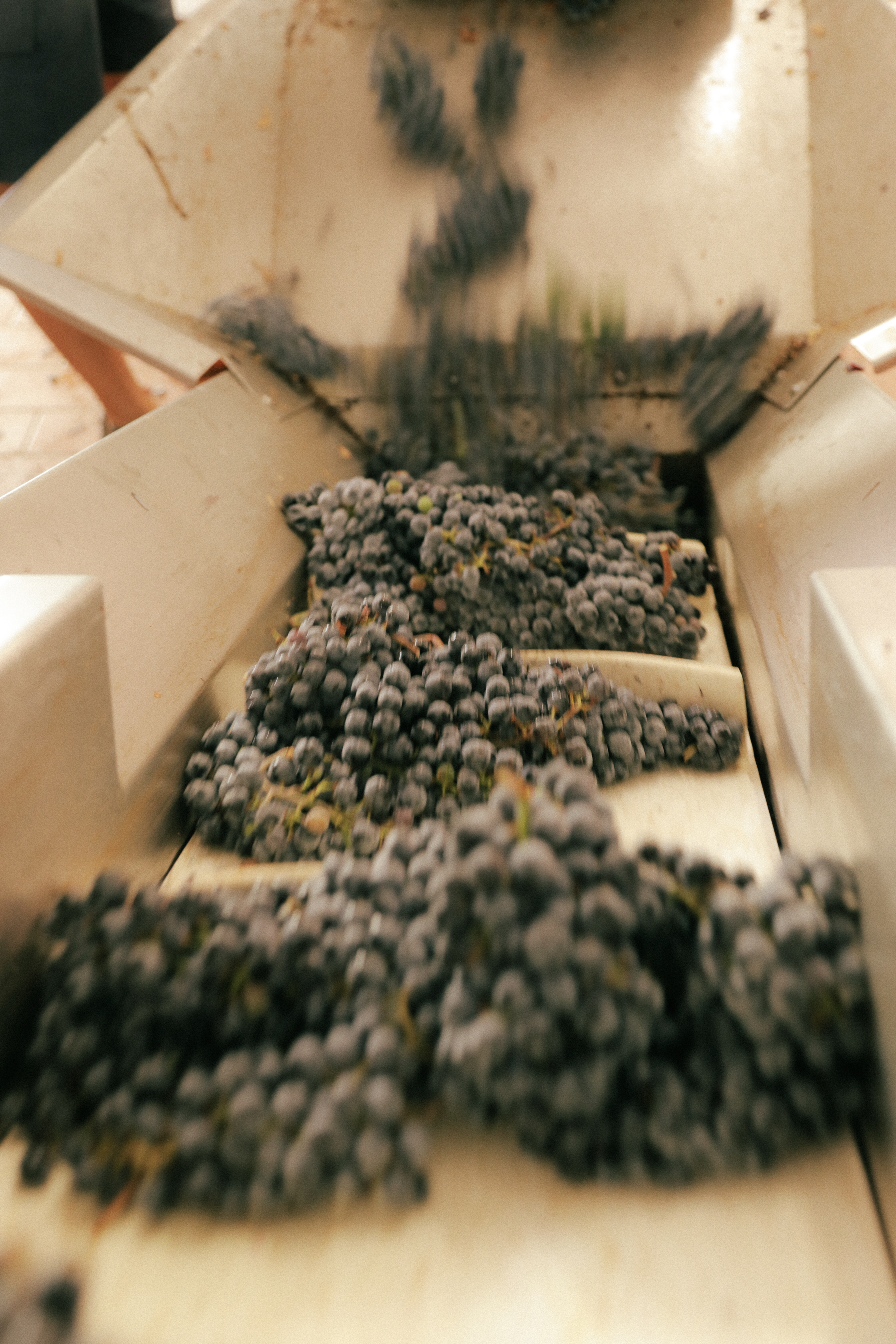
After working on his family estate, Sebastian made the leap to Mallorca. The shift was significant — from the cool-climate precision of German Riesling country to the sun-baked Mediterranean terroir of the Balearics. Different grapes, different rhythms, a different language. And yet, he says, at its core, it still feels like home. "We grow grapes, we process them, we make wine. The fundamentals don't change." What does change is everything around those fundamentals. The heat is relentless — 38-degree summer days that test both vines and the people who tend them. The harvest arrives far earlier than in Germany, the fruit ripening fast under an intensity of sun that demands different decisions at every turn. And then there are the grapes themselves: autochthonous Mallorcan varieties like Callet and Manto Negro alongside international stalwarts such as Cabernet Sauvignon, Syrah, and Merlot — a combination that gives Ses Talaioles its distinctive dual character. For Sebastian, this first season has been an exercise in humility and absorption. "My job was first to hold the quality level," he explains. "That was the baseline.
The wines already have a following — people who love them, on the island and beyond." The ambition, though quietly expressed, runs deeper. In the reds, he is reaching for more elegance, gently pulling back from heaviness toward finesse. During fermentation, he kept the maceration calmer, extracting less harsh tannin and coaxing out a more refined texture. In the whites, the goal was the opposite — a touch more ripeness, more of the Mediterranean character the site naturally offers. "We only changed the fine details," he says. "You can't make sweeping changes in a place you're still learning to understand." That learning has been intensely collaborative. Sebastian speaks warmly of his team — particularly Guillem and Miquel, who work the vineyards and know every row and ripening curve from years of close observation. "They're out there every day during harvest. They know exactly how the grapes look. I spent every chance I could in conversation with them, understanding what happened in previous years, absorbing everything." It is this combination — his formal training and global experience married to the deep local knowledge of his crew — that gives this first vintage its particular charge.
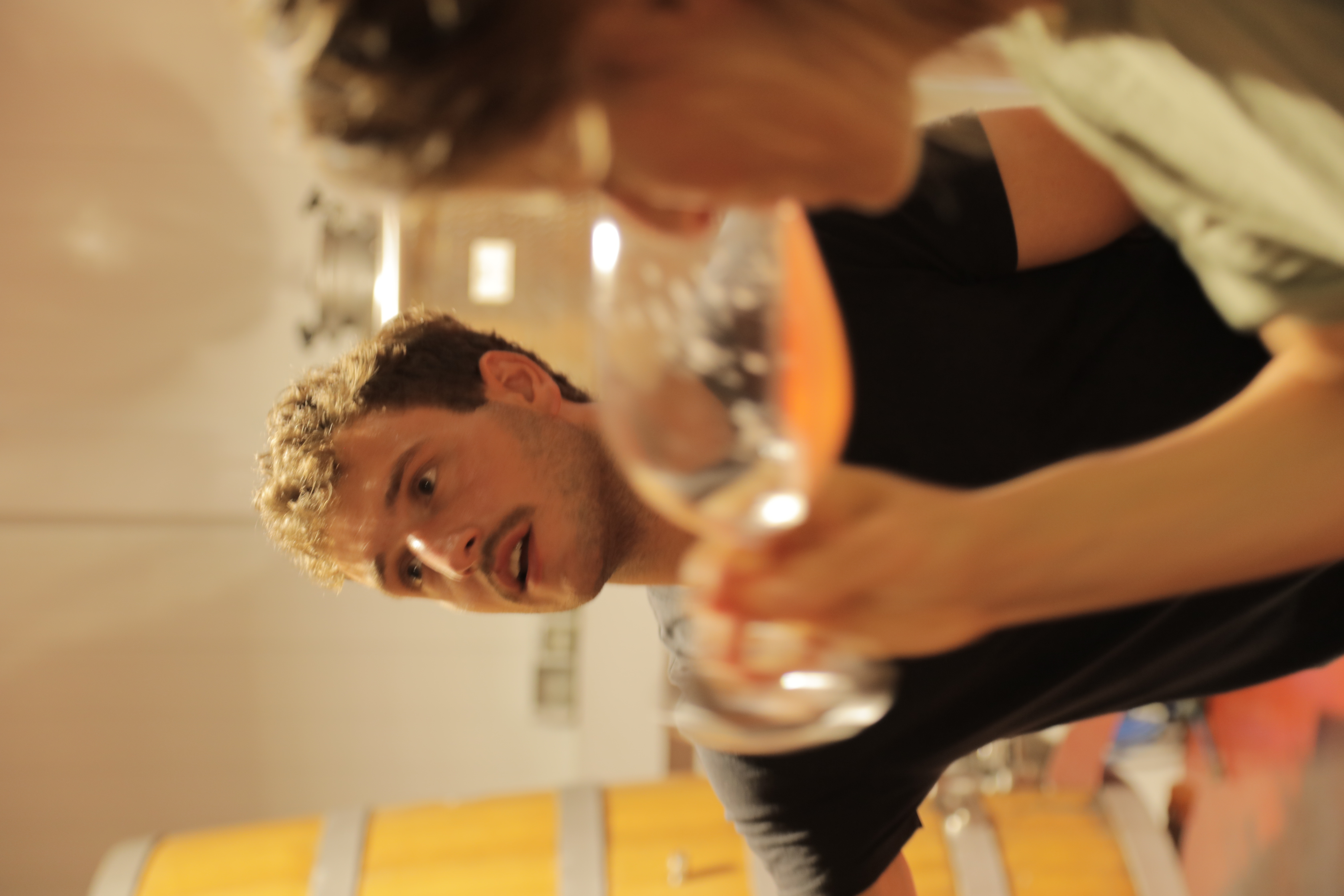
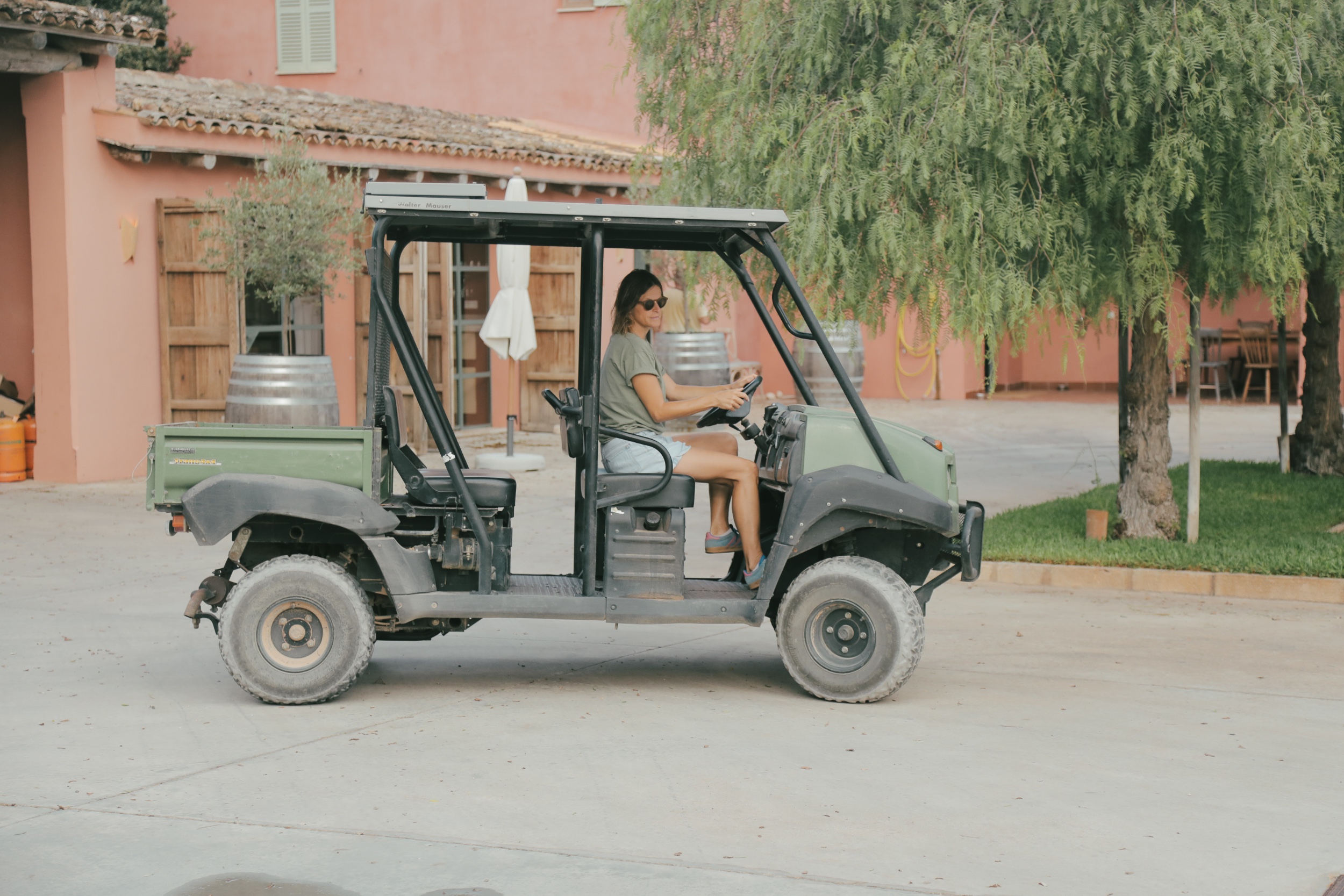
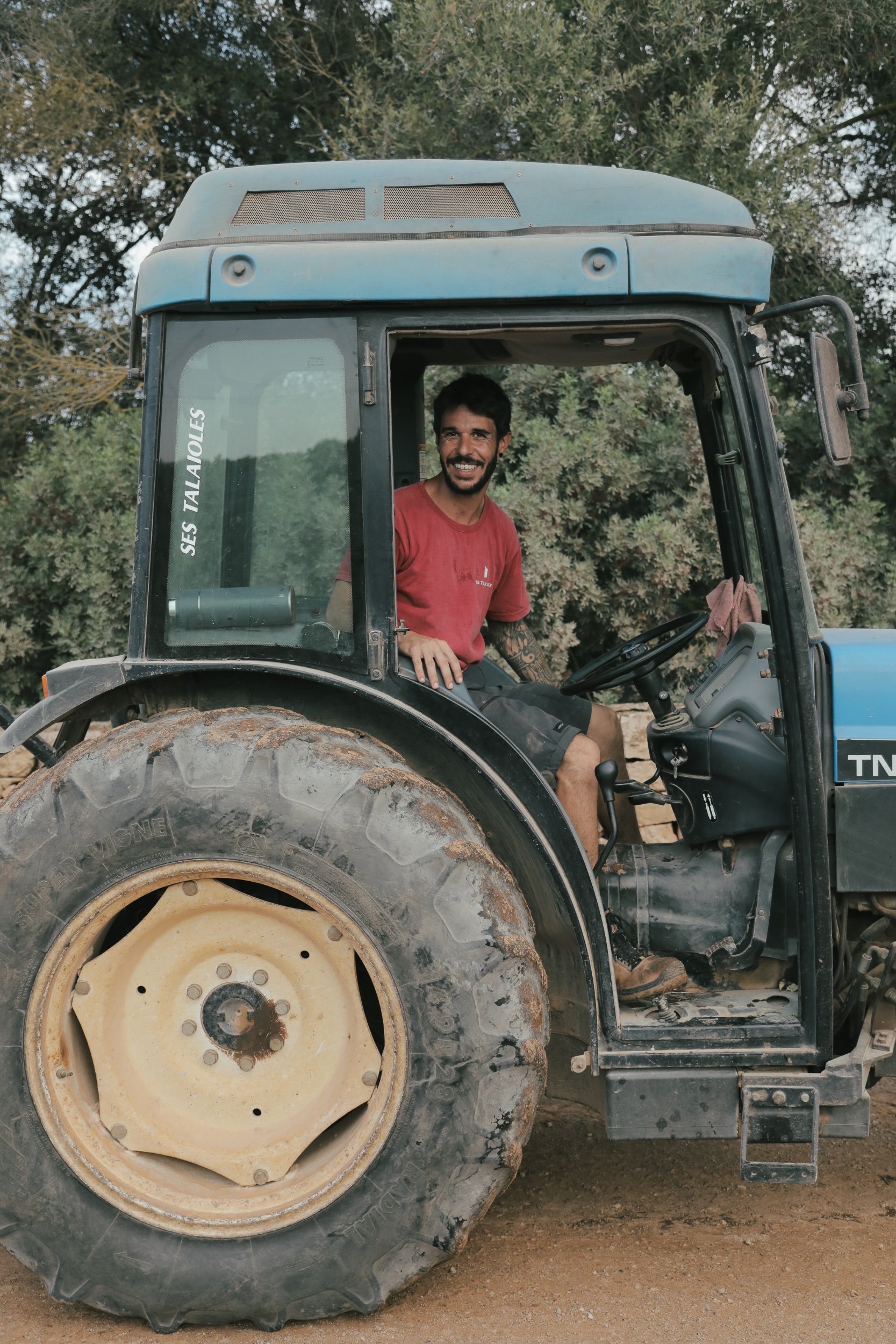
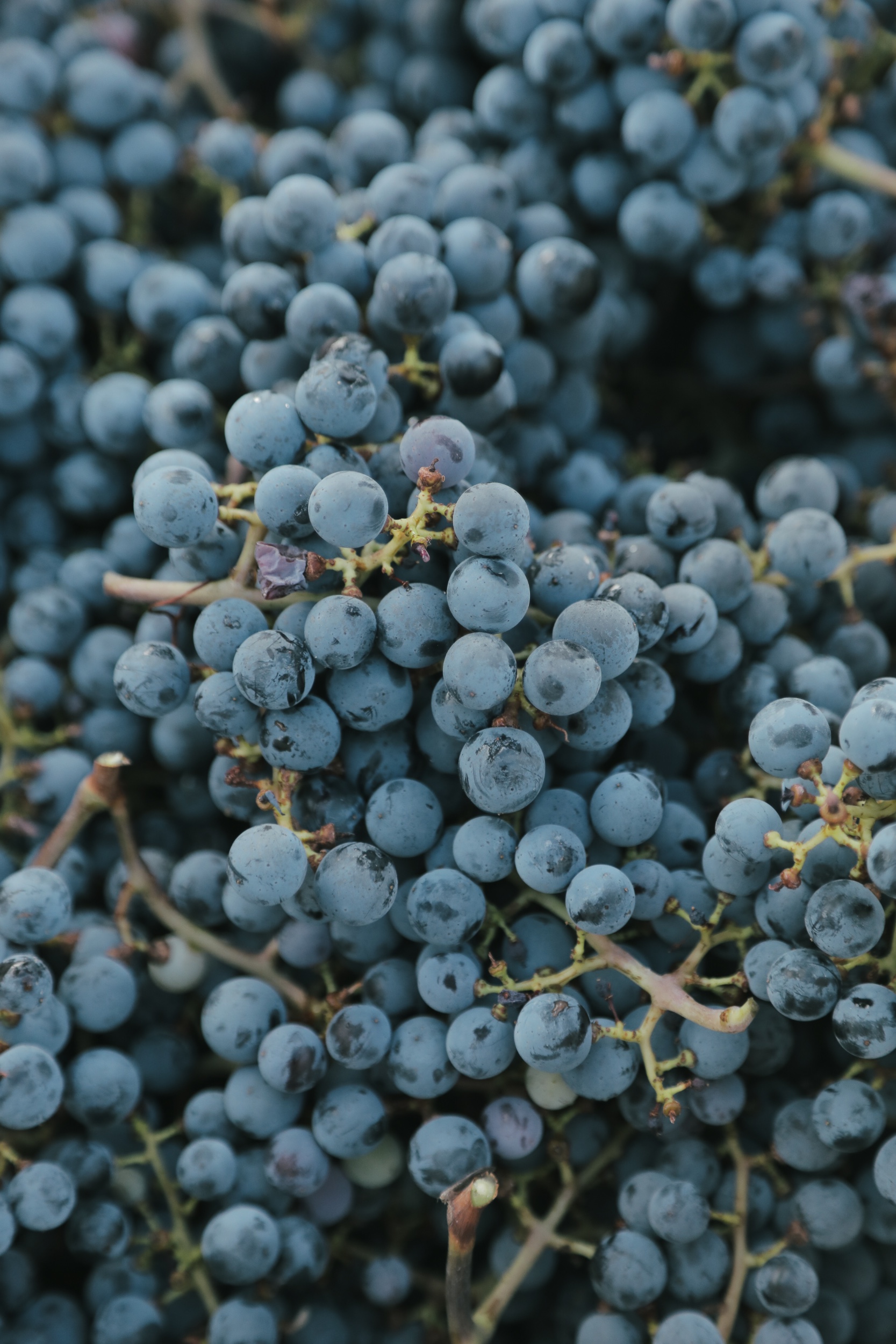
Winemaking is about being present," he says. "You just have to show up. Every day. That's really all there is to it.
And the results? Guillem, the vineyard manager, has called it one of the finest harvests of his career. An unusually dry late August — typically a period when rains threaten rot — gave the team an unexpected gift. Combined with Sebastian's instinct to pick earlier, catching the fruit at its peak of freshness rather than pushing for maximum ripeness, the grapes came in with exceptional quality. "I honestly didn't expect this," Sebastian admits. "After a summer that brutal, I thought the vines would be exhausted. But what's lying in the barrels now is genuinely exciting." Ses Talaioles produces just six wines across two collections. The Talvin line — a Blanco, Rosado, and Tinto — serves as an approachable entry point: bright, fresh, designed to capture the island's lightness. The white carries a crisp acidity unusual for Mallorca, the rosé arrives in a pale Provence hue, and the red is built to drink slightly chilled — a concession to climate that Sebastian embraces rather than resists. Above this sits the Terroir collection: three reds drawn from the estate's oldest, lowest-yielding vineyards, aged in oak barrels and clay amphorae. These are more intense, more layered — wines that speak to place with real authority. "I love the simplicity of the range," Sebastian says. "Six wines. Two tiers. Less is more."
Looking ahead, Sebastian sees Mallorcan wine at an inflection point. The island's vineyard area is tiny — roughly 2,500 hectares against mainland Spain's 900,000 — and internationally, the wines remain largely unknown. But he believes that is changing. "For that change, a shared identity and unified DO Mallorca designation could give the island's producers a collective voice in the wider wine world. The quality is here. The grape varieties are fascinating. And as the island attracts a more discerning visitor, the interest in local wine grows with it." He pauses, though, at the tension this creates — the risk that rising luxury tourism could push prices beyond what the culture sustains, widening the gap between local reality and international aspiration. "We could talk about this all evening over a glass of wine," he says with a smile. "And I'd still have no easy answer."
"The quality is here. The grape varieties are fascinating. And as the island attracts a more discerning visitor, the interest in local wine grows with it."
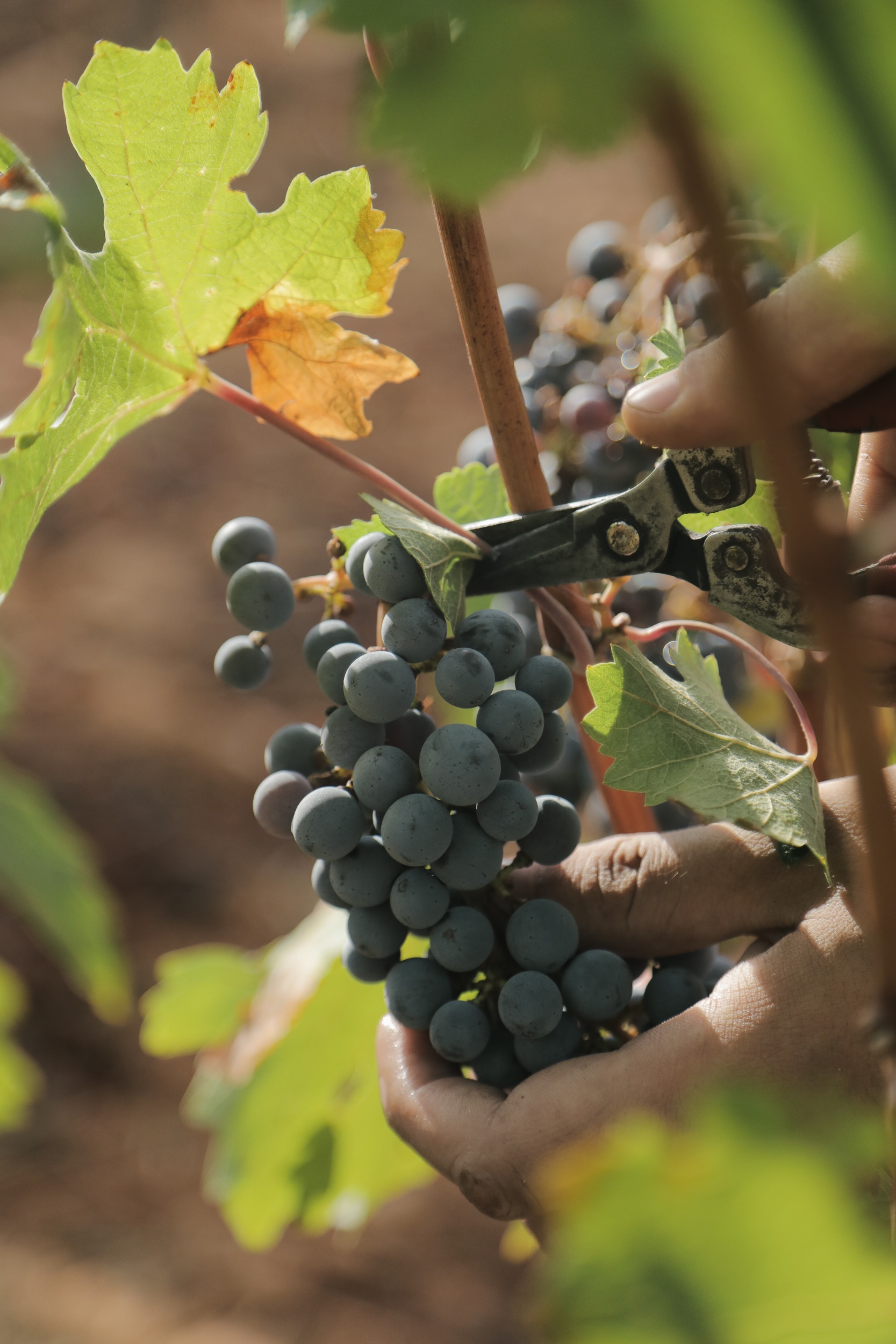
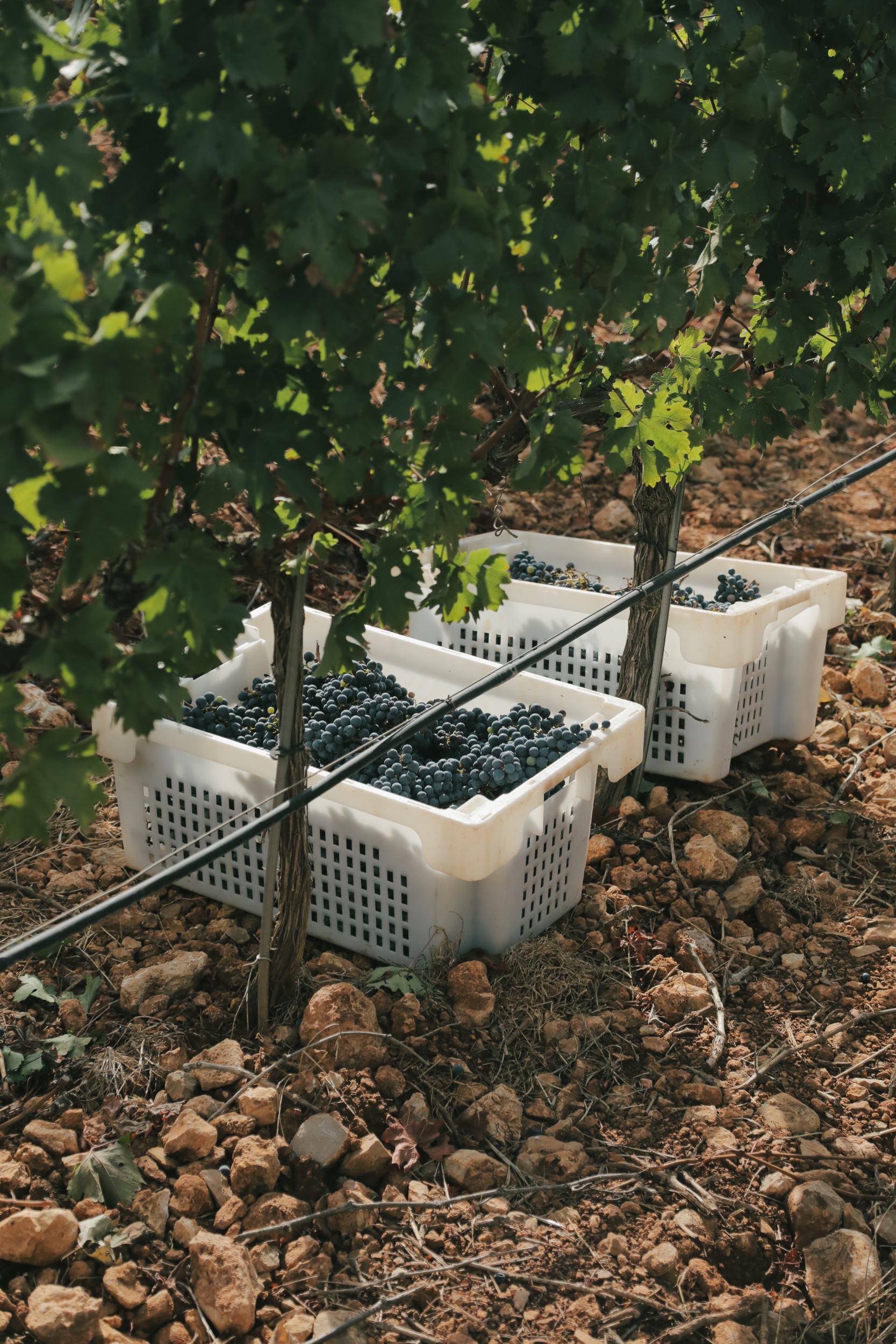
For now, Sebastian's horizon is deliberately short. No five-year plan, no grand strategy. Just presence. Showing up every day since August 13th, when the harvest began, without a single day away from the bodega. In the evenings, the beach is close. The balance, improbably, holds.
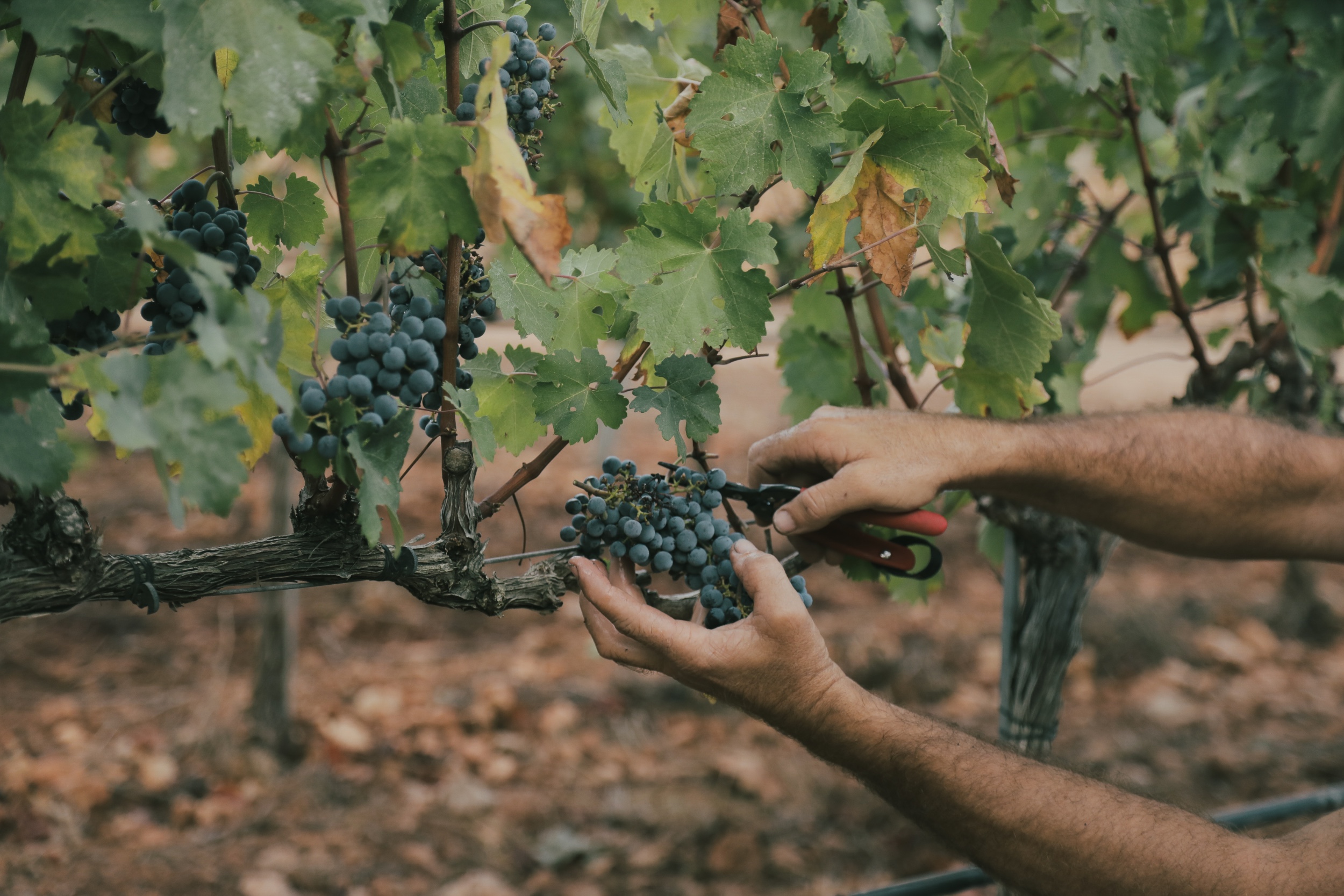
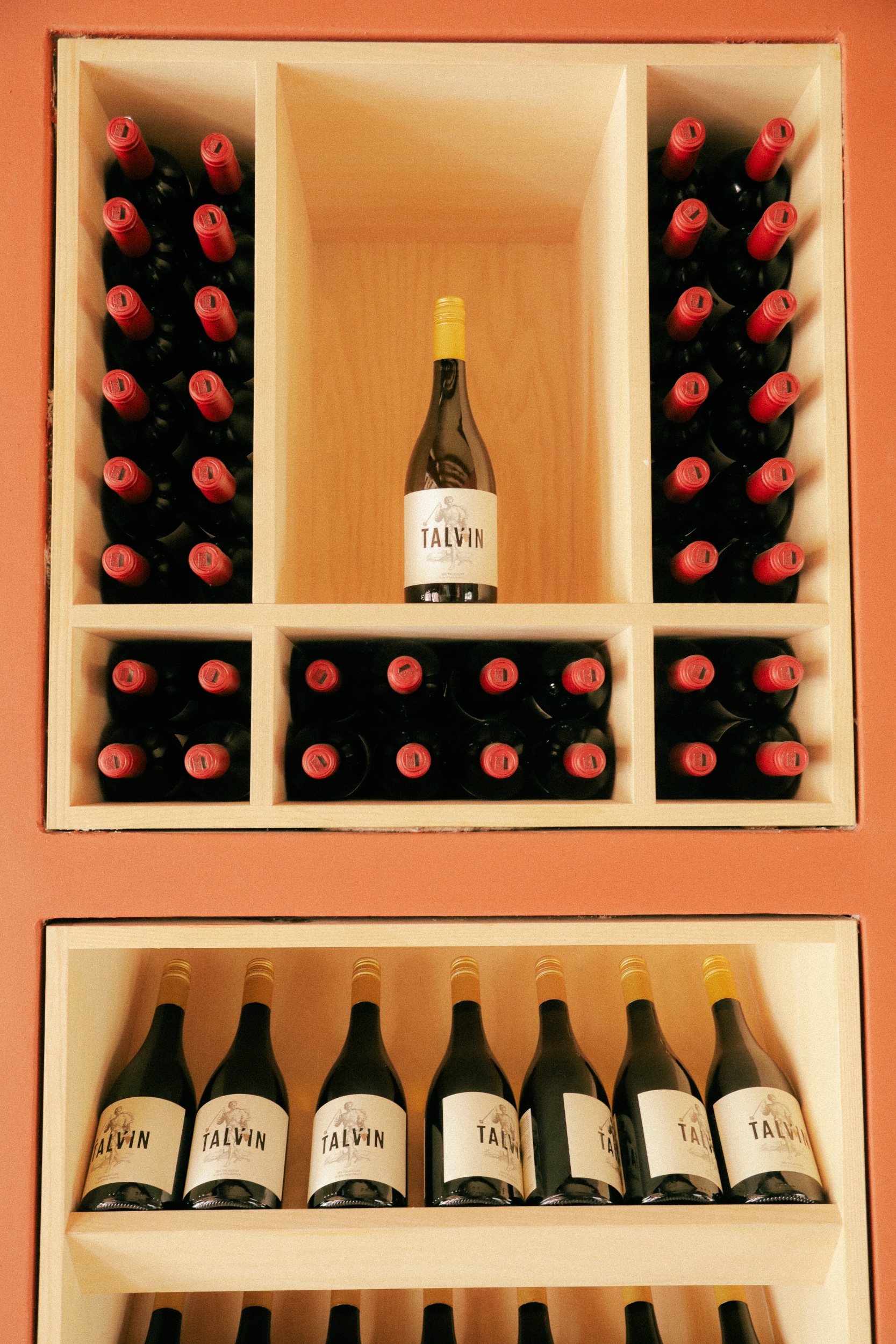
The white and rosé wines from Sebastian's first Ses Talaioles harvest will be released in the coming months. We look forward to tasting them at Es Mercat.