L'ESPAI - CONCEPT SPACE
Somehow It All Made Sense
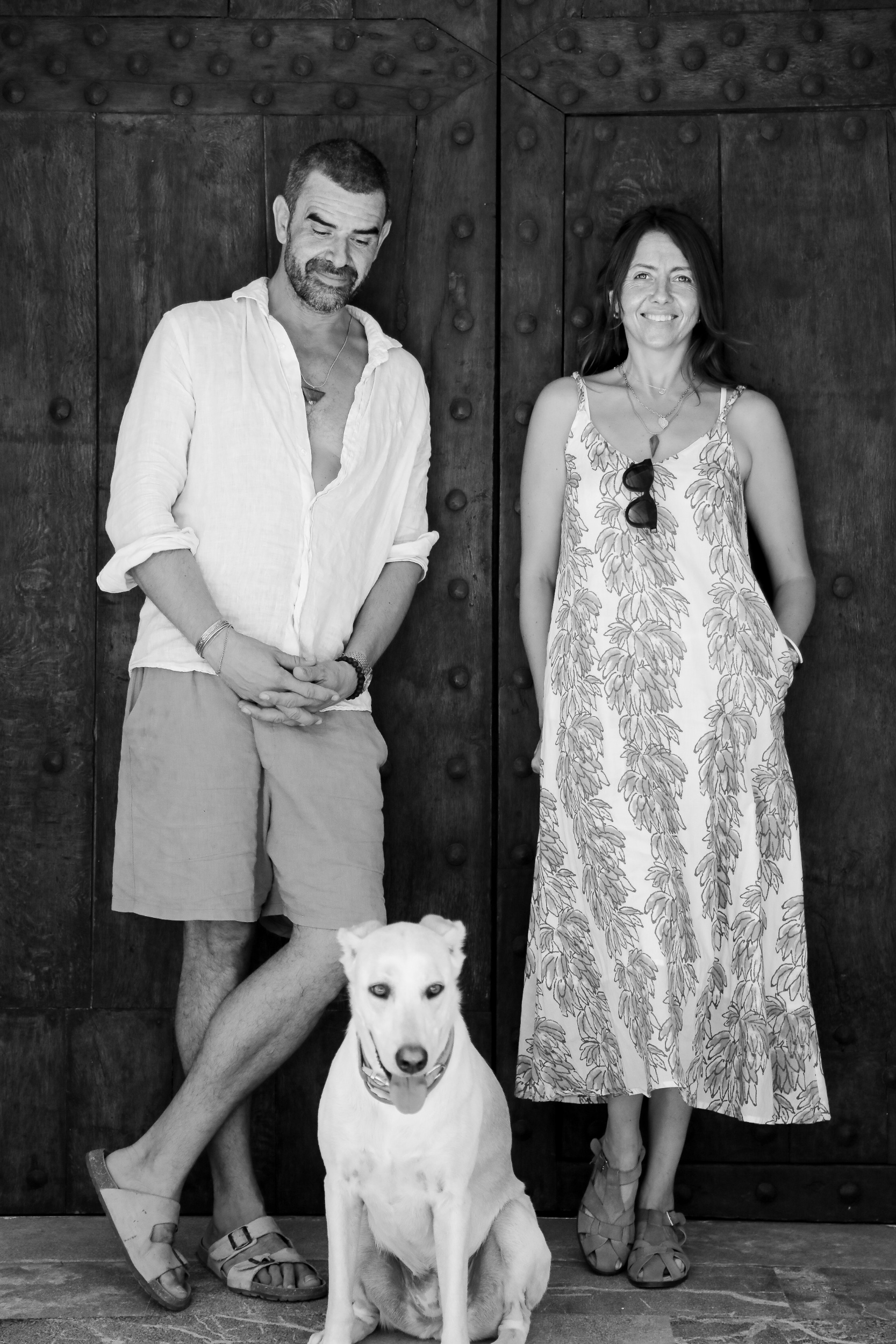
A visit at Cassi & Iwo, Founders of L'Espai Store & Community Space in Felanitx
Interview & Images by Daniel Siegler / Es Mercat
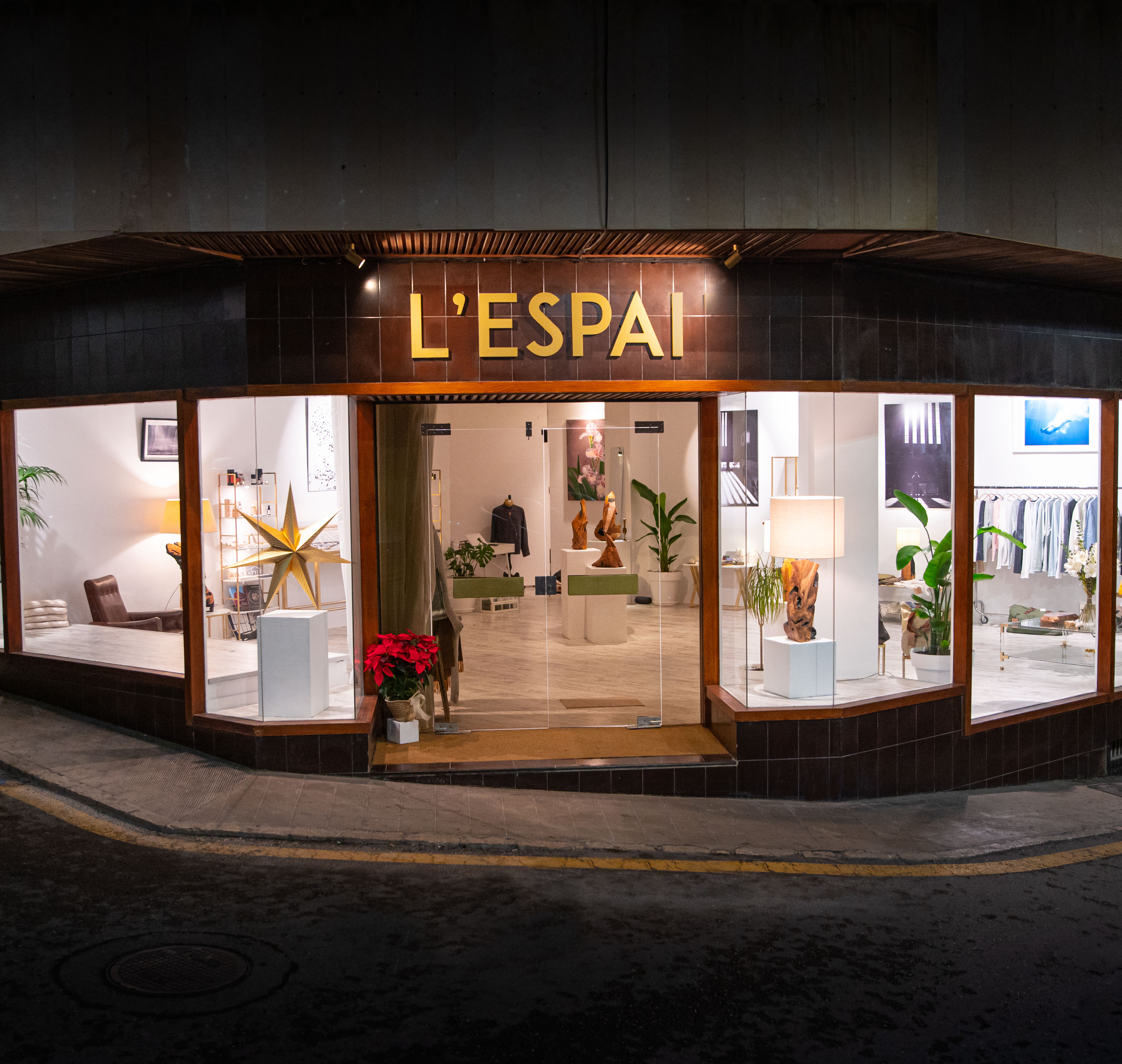
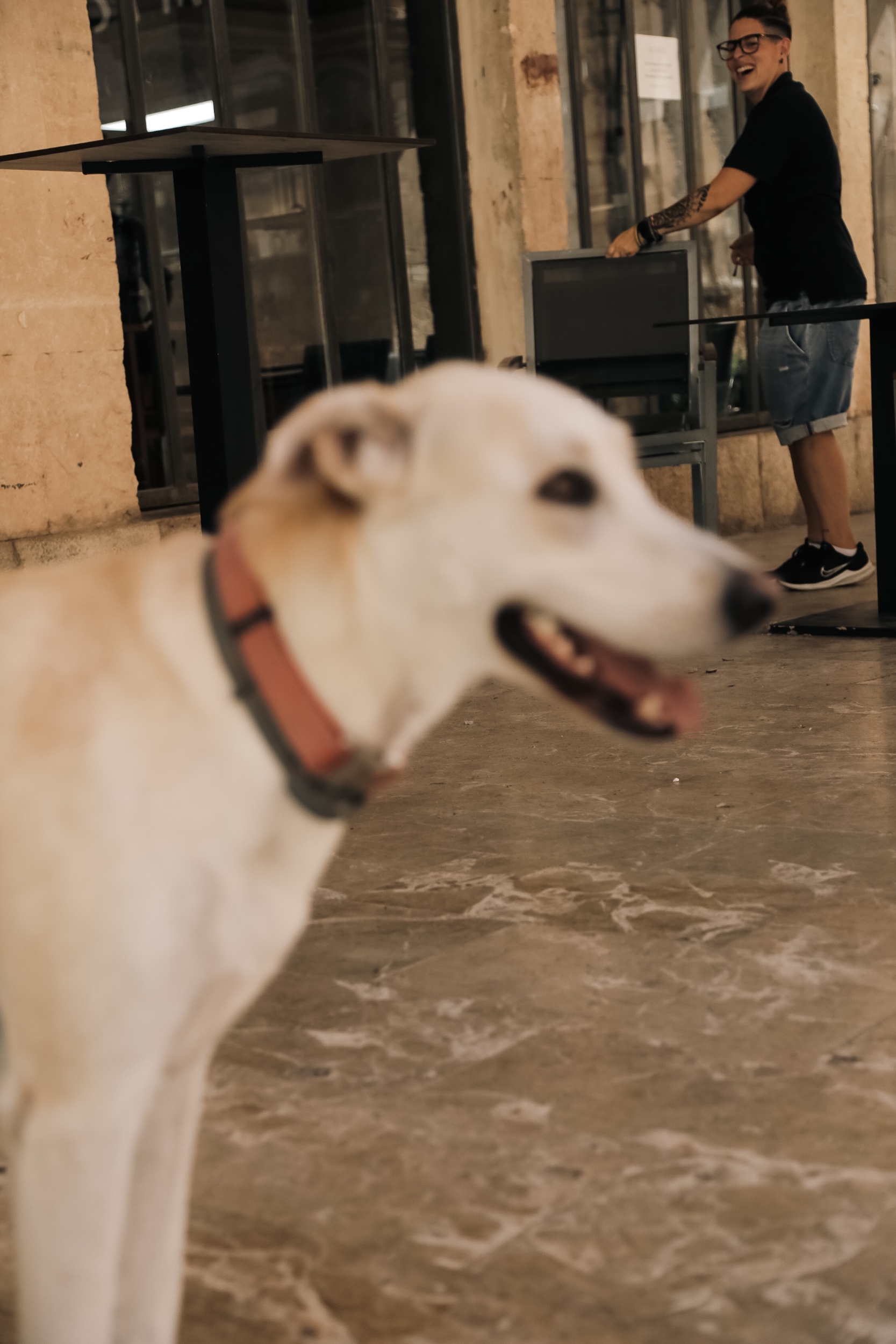
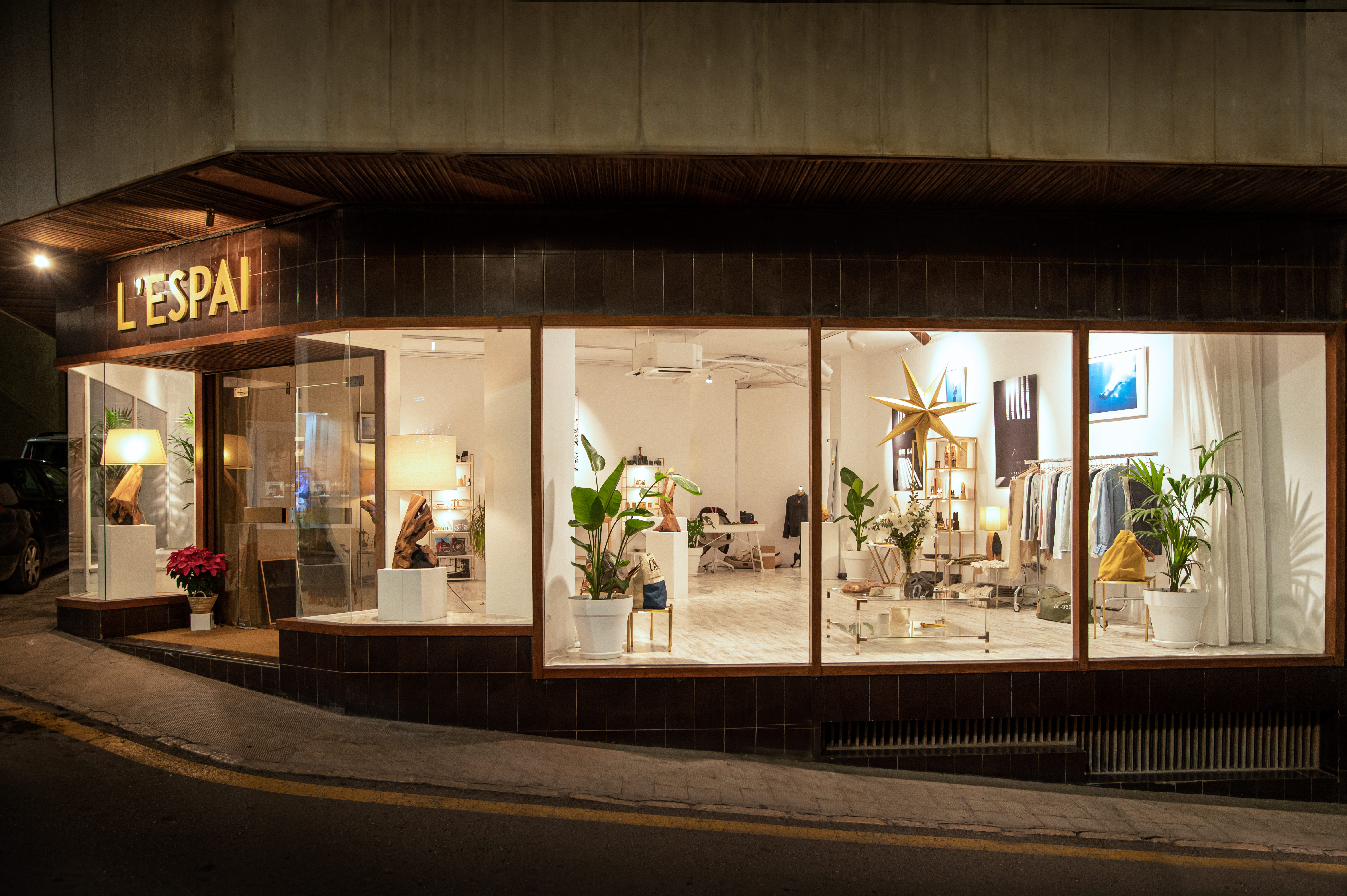
Cassi and Iwo on love, olive wood, and building a space that refuses to be defined. I meet Cassi and Iwo at L’Espai on a Wednesday evening in August. The shop is on a corner in the centre of Felanitx, fifty metres down from Bar Mercantile, two doors from the mayor’s office. It has enormous display windows and the kind of ceiling height that makes you look up when you walk in. They’ve painted everything themselves. Built the shelves. Done the wiring. Three months of work, no contractors, just the two of them. When they opened for Nit del Art last year, there was still paint on their arms.
Cassi and Iwo met in Ibiza without planning to. “When you least expect it and least want it,” Ivo says, “life gives you what eberyone needs most. Love! “ That was ten years ago.
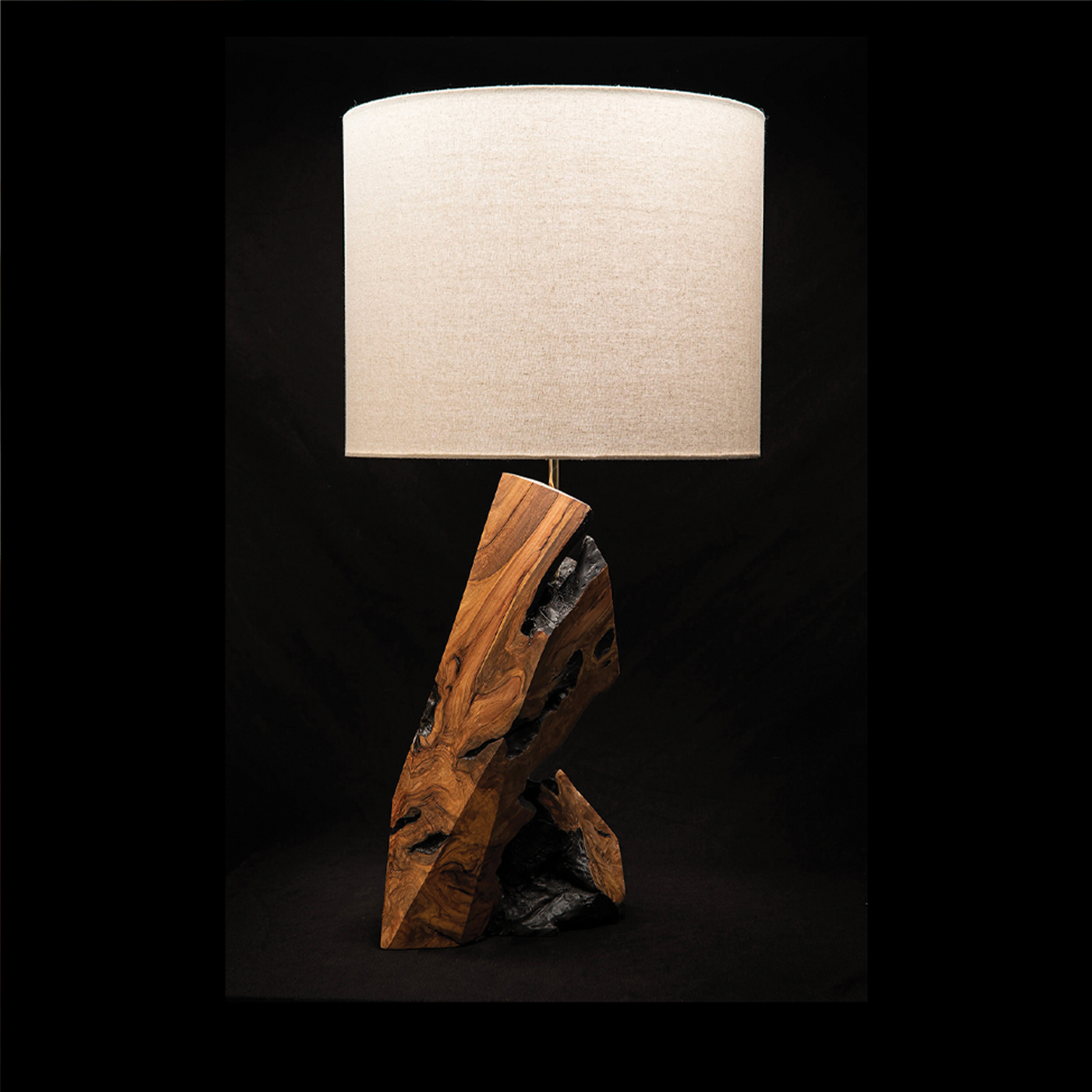
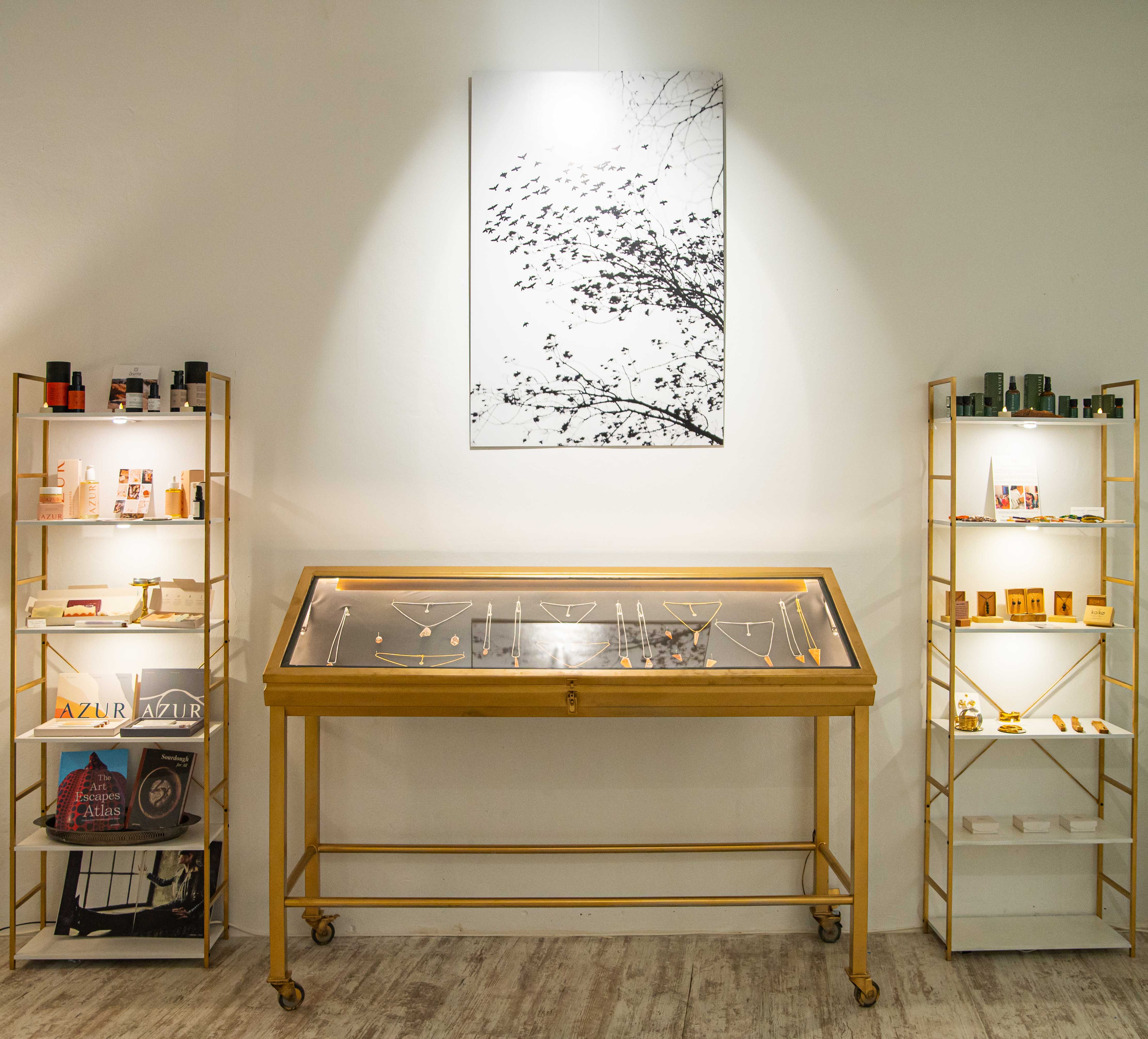
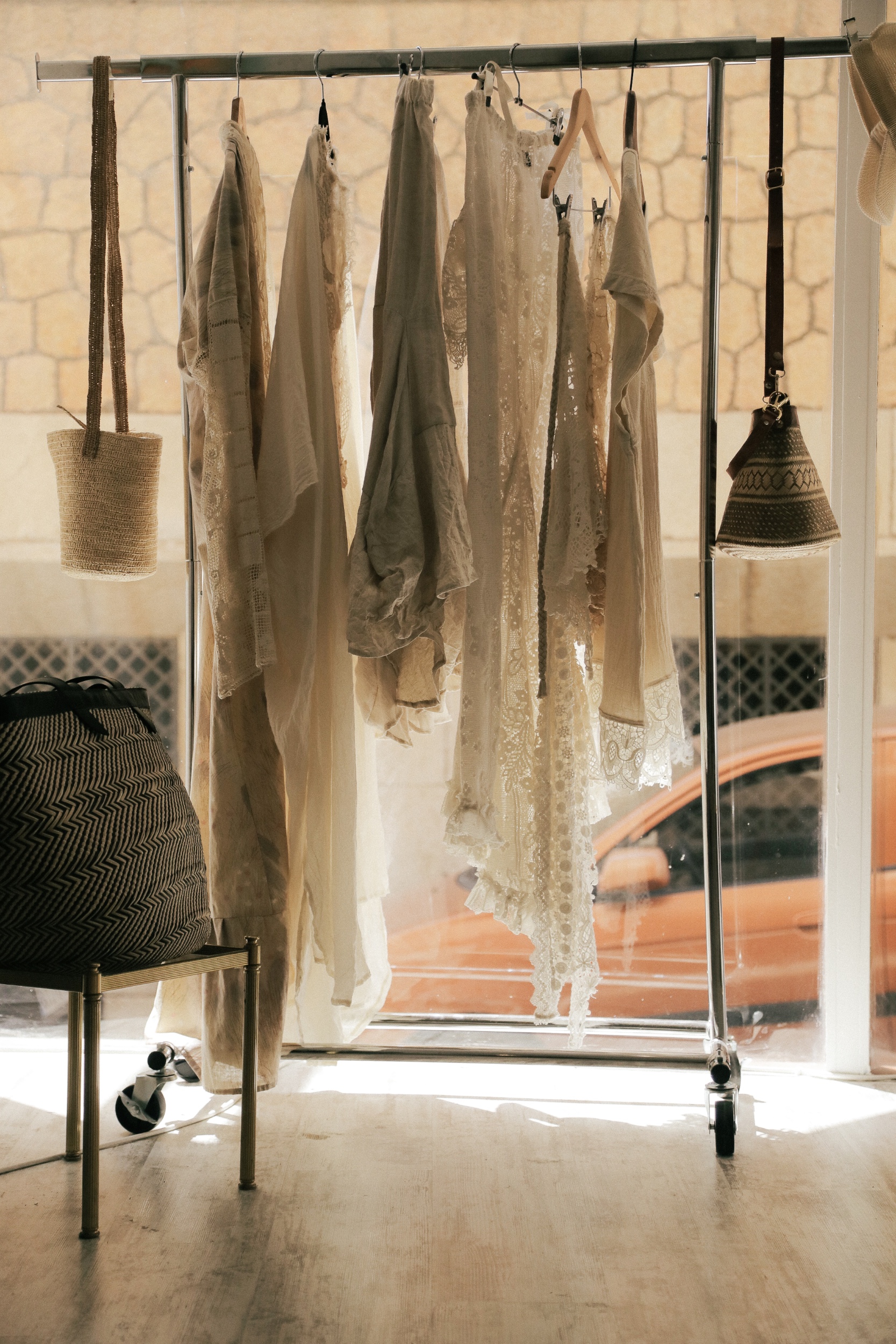
There are linen dresses and hand-poured candles, copper water bottles and olive wood sculptures that Iwo has carved himself. Crystals and natural face oils and jewellery made by people whose names they know. Nothing is here by accident, but nothing feels forced either. It’s the kind of place that only makes sense once you understand the people who made it.
So we sit down and go back to the beginning. Cassi is half Spanish, half English, born in Mallorca. She lived in Barcelona until she was ten, then moved to England with her father. She left home at sixteen. She doesn’t dwell on the reasons, but she’s direct about it — things were difficult, she had to look after herself, and she did.
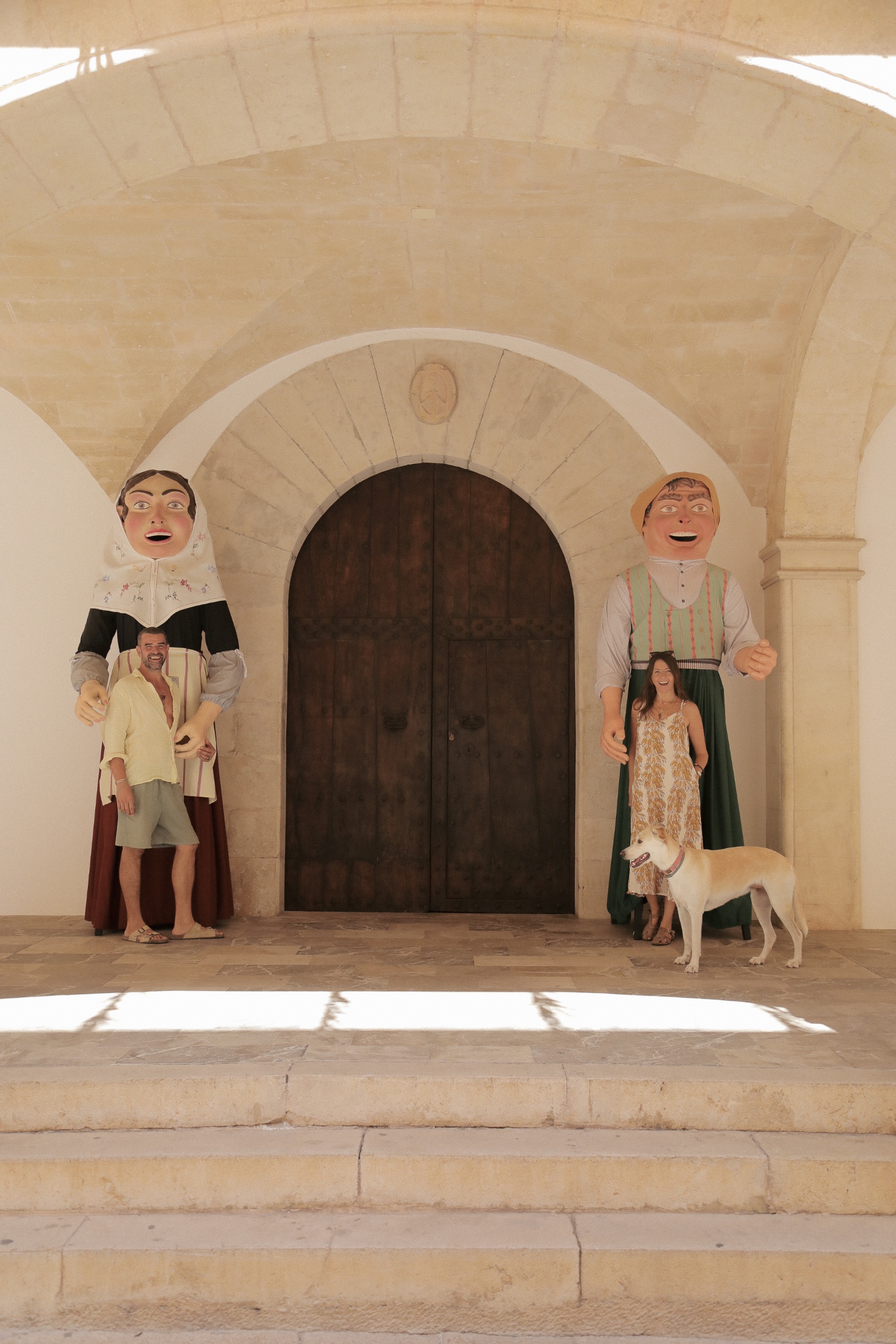
“Once you follow your true purpose,” Ivo says, “things just happen. Call it universe, God, whatever you want.
By her early twenties she’d moved back to Spain, this time to Ibiza, where she thought she’d stay for one season. She stayed twelve years. In Ibiza she worked her way as a manager through the restaurant world — Café Sydney, El Chiringuito, places where the standards were high and the hours were long. At twenty-seven she opened her own restaurant with a business partner. It did well, until it couldn’t. She had to close it for health reasons. At the time, she says, it was devastating. Looking back, it changed the direction of her life entirely in a positive way.
When she recovered, she walked into Revolver — a high-end fashion store in Ibiza Town with a reputation for being demanding about everything. She worked there for six years and fell in love with retail in a way she hadn’t expected. Not the selling. The feeling. “A beautiful shop isn’t just about what you sell,” she says. “It’s about how you make people feel. I hate that cold, intimidating style of high-end retail. You can sell beautiful things and still make people feel completely at home.” Iwo’s story arrives from a different direction entirely. Born in eastern Germany to Bulgarian parents in 1978. Raised in a small village in the west. His mother was a ballet dancer. Her friends were artists, journalists, musicians. He grew up inside that world and absorbed it the way children do — not by studying it but by breathing it in.
He left the village as soon as he could. Went to Düsseldorf for an apprenticeship at an advertising agency, back when advertising was still genuinely creative. Enrolled in graphic design, at the FH Dortmund and Started assisting photographers. He quickly dropped the studies because the assisting work was already teaching him everything faster than the classroom could. He travelled. Barcelona. London. Capetwon. Paris. Always circling back to Ibiza, doing seasons, doing hospitality, picking up photo and video jobs. He moved into property and boat photography for charter agencies. Always, alongside everything else, his own personal projects.
And then, in the last couple of years in Ibiza, something shifted. He started working with olive wood. Carving it into sculptures, lamps, necklaces — a specific form, a specific way of working the grain. He called the project The Sacred Tree. He had a website and all the finished pieces at home. What he didn’t have was anywhere for people to actually see them.
Eventually, their beloved Ibiza had changed. The cost of living had become unsustainable. Cassi, born in Mallorca but never having lived here full-time, suggested they come back to her roots. They arrived in January 2020, two months before the pandemic shut everything down. The plan to meet people, find a community, build a network — all of it was immediately cancelled. They spent lockdown at her family’s summer house in Port d’Andratx, which they quickly realised was not their kind of place. Too much money on display. Too little soul.
For the next few years they worked together, then separately, then together again, eventually taking jobs at a boutique in Palma run by a woman who paid well and demanded everything. It was stable and draining. They were selling things they didn’t believe in. Ivo puts it simply: “We were doing something that was not in alignment with who we are.” They stayed four years. They learned a lot. But there was no purpose in it, and they both knew.
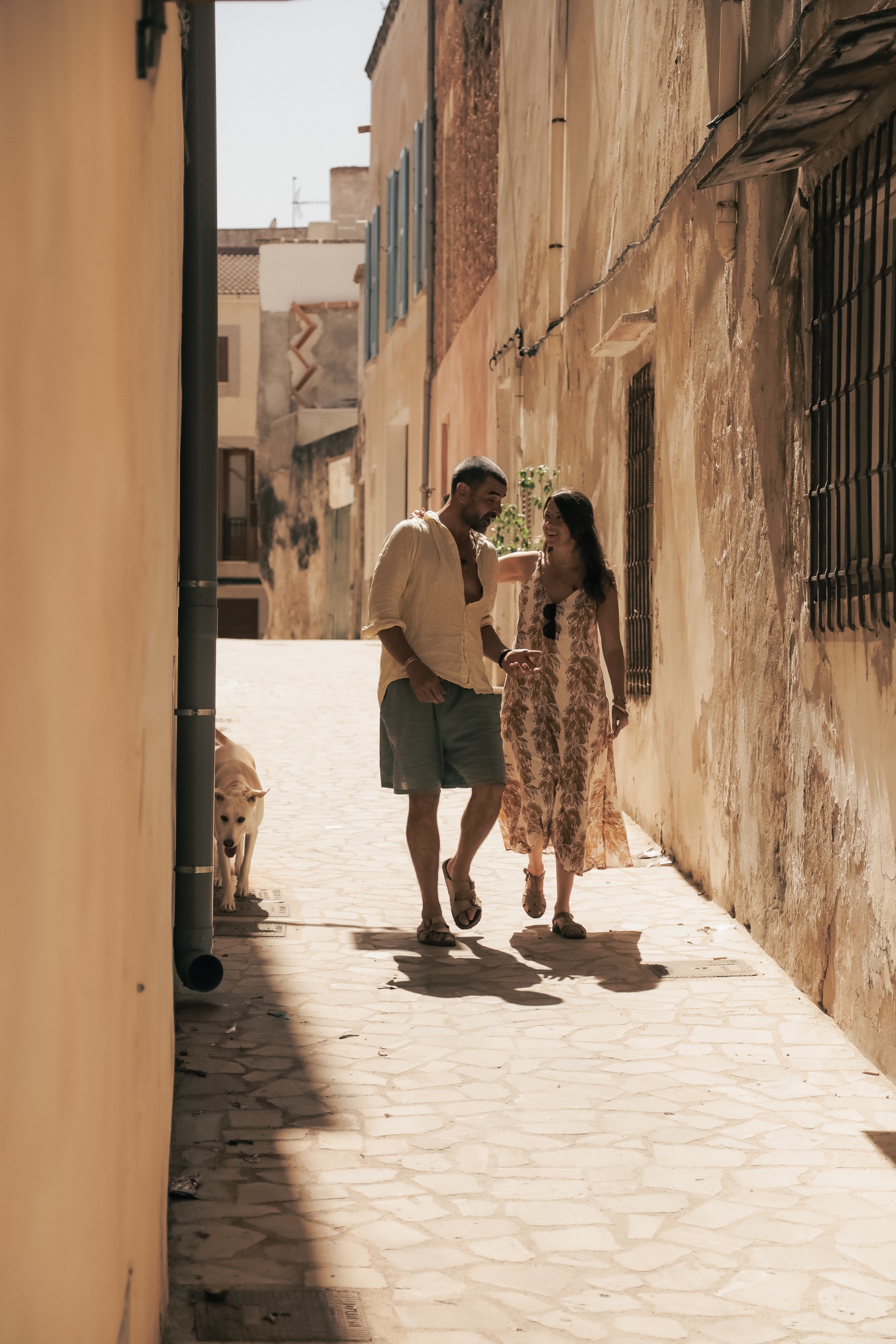
They looked east. A good friend — Dorian, who Cassi had worked with at Revolver — had already moved to this side of the island. They found a place fifteen minutes from Felanitx and started over.
The shop happened the way the best things in their lives seem to happen: It fell into place.
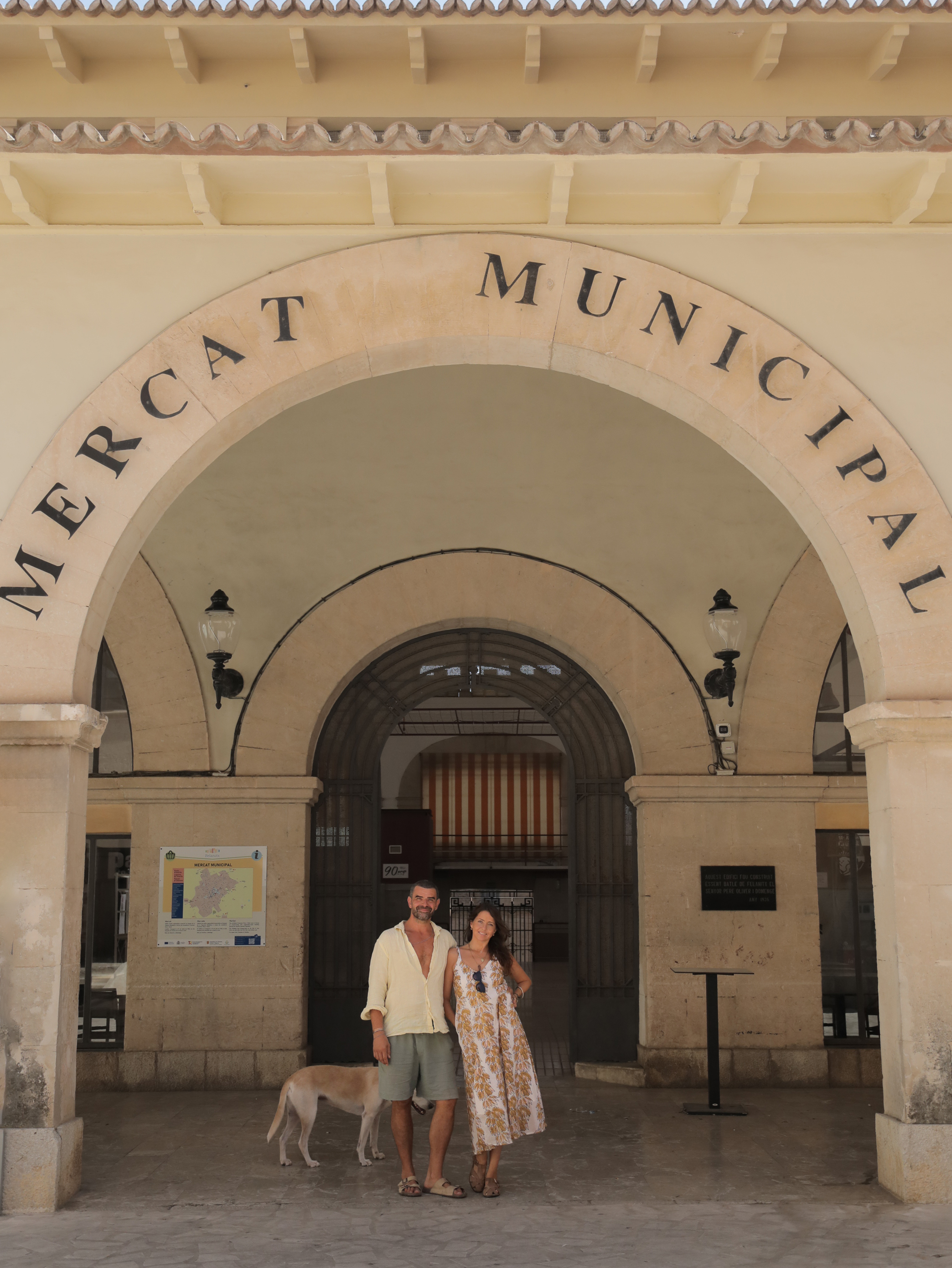
They went to Bar Mercantil for lunch one afternoon. The experience bowled them over — a restaurant in a small Mallorcan town that shouldn’t exist, surrounded by incredible art and people from all around the world. They walked out buzzing, turned the corner, and saw a massive corner shop with a “for rent” sign.
“We both had a feeling,” Cassi says. “And we weren’t looking for a shop.” Iwo called the landlord — the architect upstairs — the next day. They put together a rough concept: part showroom for Ivo’s olive wood work, and retail place for unique selected products, part gallery, part space to gather the community and share experiences. The architect loved it. He didn’t want another shop selling Chinese-made clothes. He slid the keys across the table before they’d paid a cent.
The shop became everything they’d been carrying separately for years. Cassi’s love of people and retail. Ivo’s photography and olive wood. Their shared interest in wellbeing, in natural materials, in things that are made with care by people who give a damn. Their love for hosting people and sharing wonderful moments.They started researching brands. No plastic. No polyester. No fast fashion. Ethically sourced, sustainably made, or it doesn’t come through the door. People began showing up with clothing lines, with products, with ideas. The shelves filled. The programme grew — yoga classes, wellbeing workshops, a quantum healing nutrition talk that left everyone in the room stunned.
“Once you follow your true purpose,” Ivo says, “things just happen. Call it universe, God, whatever you want. But this is when things are effortless. They stack up one after another without rushing.” He’s not being mystical about it. He’s describing what it felt like after four years of doing work that meant nothing to them — the relief of finally being in alignment.
The name helps explain the ambition. L’Espai is Mallorquín for “The Space.” Not the shop. Not the gallery. The space. They chose the local language deliberately. Part of what they’re trying to do — and they’re honest about how idealistic it sounds — is build a bridge between the expat community flooding into towns like Felanitx and the Mallorcans who’ve been here for generations. There’s a gap, Ivo says. A tension.
They want to do communal dinners where everyone cooks something from where they come from — Bulgarian, English, Mallorcan, Peruvian, whatever is in the room. They want to create situations where the fear disappears and people realise they’re just people. “It doesn’t have to be confrontational,” Cassi says. “It can be soft. We are all human after all.”
People who’ve been born here can’t afford the rents anymore because investors are buying five, six properties and flipping them. It’s not unique to Mallorca. It’s Barcelona, London, Lisbon, everywhere. But it’s sharp here, and it’s personal, and pretending it doesn’t exist helps no one. Their answer isn’t a protest. It’s a door that’s open. They want to host a Mallorquín language crash course for expats — a fun, informal two hours so that when you walk into a local bar, you can say three words in their language and watch the room change.
There’s a bigger idea forming, too. Iwo sees Felanitx as a place that could become an example — a small town where locals and newcomers figure out how to coexist, not because someone forces it but because enough people in enough spaces do the small work of making it possible. L’Espai, Es Mercat, the new places opening up — each one a node in something that doesn’t have a name yet but has a pulse.
For the winter they’re planning more workshops, more events. Ivo wants to run a photography workshop,. They want small live concerts on the little stage — a jazz band, something intimate. They have plans for a curated booklet about Felanitx — the town’s history, its best-kept places, QR codes linking to some special places, restaurants and stores — something to hand out across the island so that people who’d otherwise drive through actually stop and get a chance to know a place that seems to find itself in a state renaissance.
Nothing is here by accident, but nothing feels forced either. It’s the kind of place that only makes sense once you understand the people who made it.
Near the end of the conversation, the light in the shop has changed. The street outside has gone quiet in that way Felanitx does when the afternoon heat finally breaks. I ask Cassi what L’Espai means to them, really.
“Freedom,” she says, without hesitation. “Freedom to create something on our own terms. After working for other people for most of our lives, it’s an incredible feeling to wake up and know that we’re building something we genuinely believe in.” She pauses for a moment. “There’s something special about seeing all these different parts of our lives come together. My love of people and retail. Ivo’s art and photography. His olive wood. Our interest in wellbeing. Our love of Mallorca.
Somehow it all makes sense under one roof.” Somehow it all makes sense. That’s the line that stays with me after I leave. Because nothing about their path was planned. A restaurant that closed. A fashion store in Ibiza. A photography career that wandered from fashion to boats to olive wood. A pandemic. A corner shop spotted by accident after lunch. None of it was supposed to lead here. And yet here they are, standing in a space that holds every part of who they’ve been, in a town that is quietly becoming something new.
“Freedom to create something on our own terms. After working for other people for most of our lives, it’s an incredible feeling to wake up and know that we’re building something we genuinely believe in.”
The door is open. People walk in. Things happen.