Photography - SIMON CHAPUT
Simon Chaput
On Kodak Brownies, SoHo in the 80s, and sitting still long enough to see.
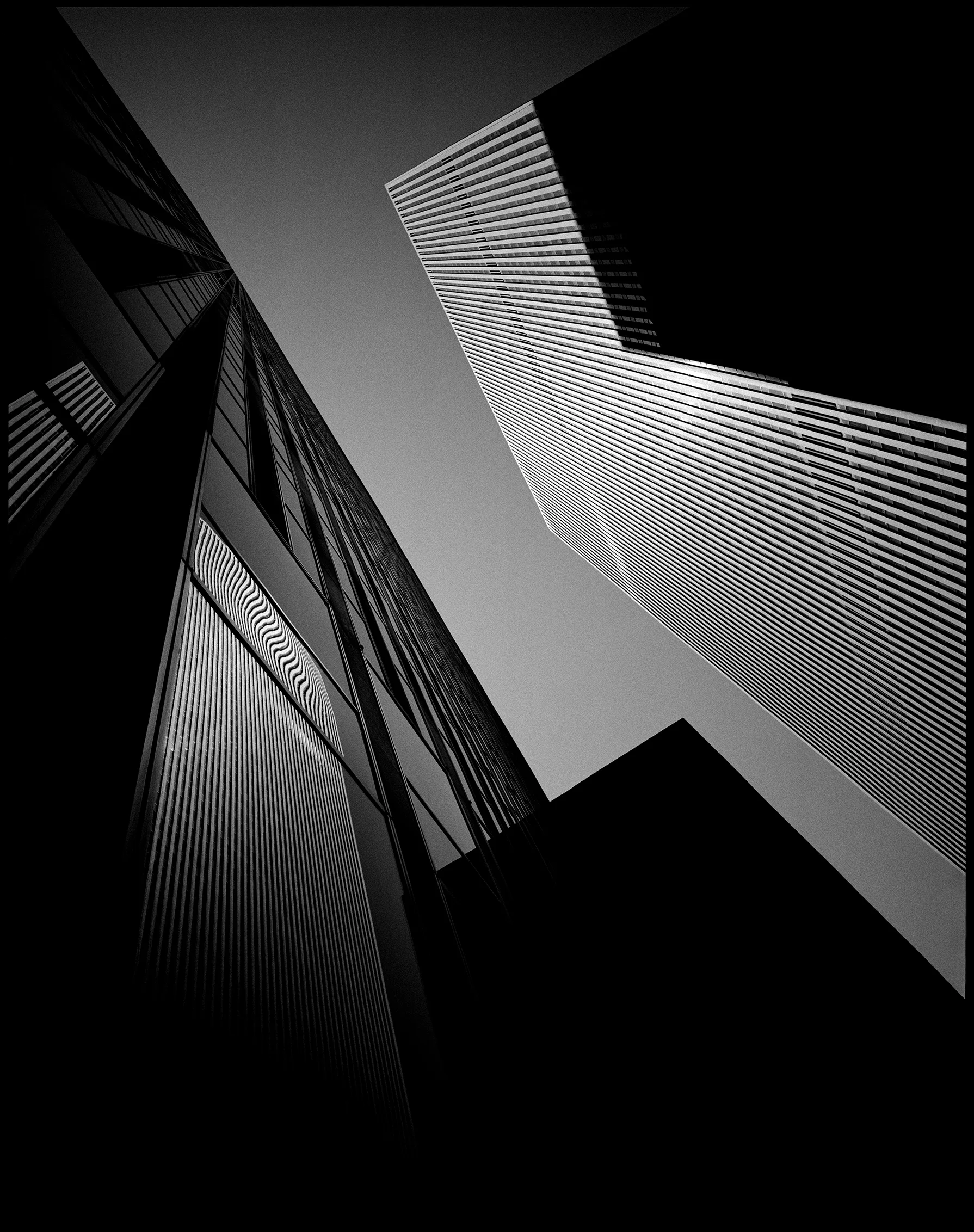
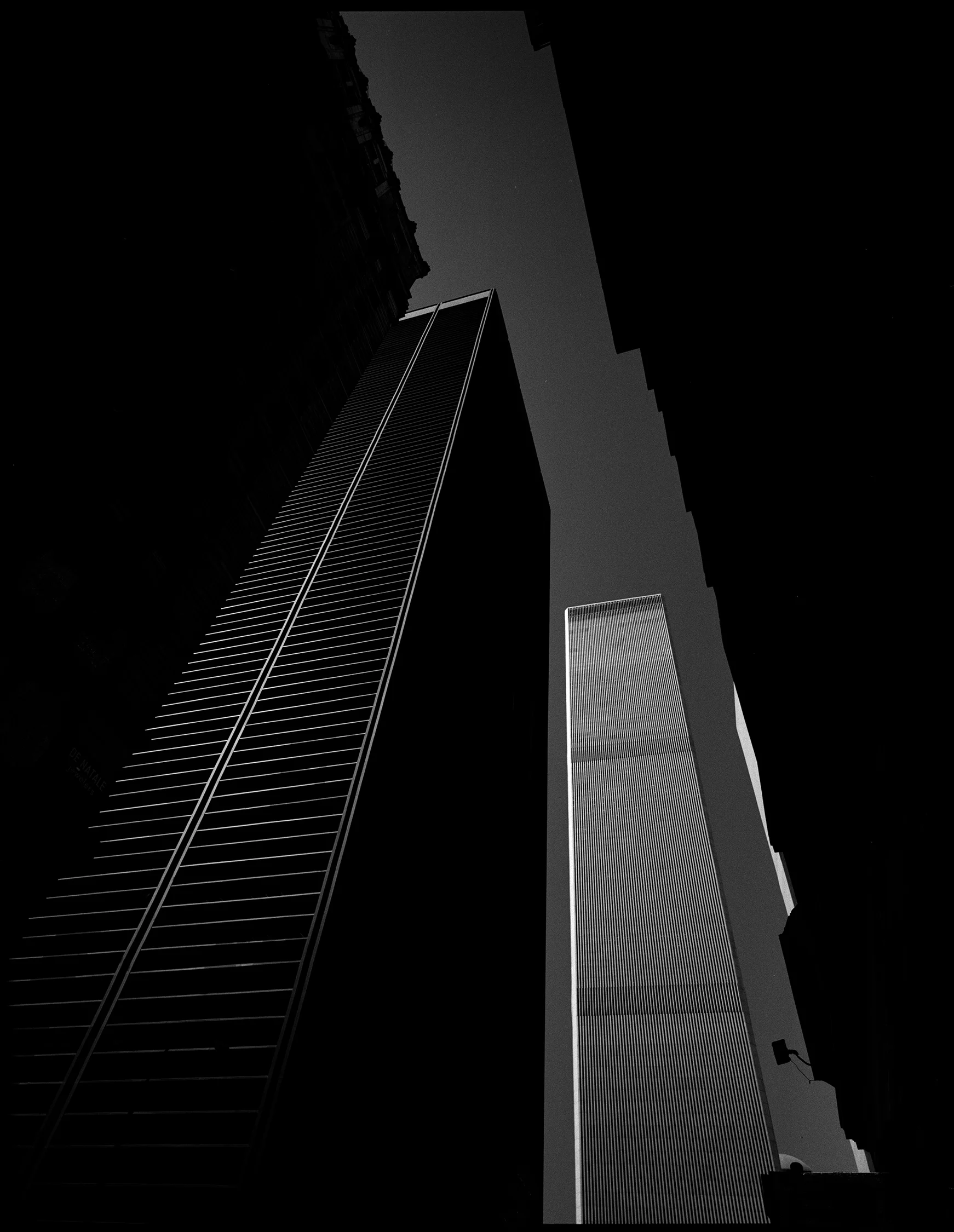
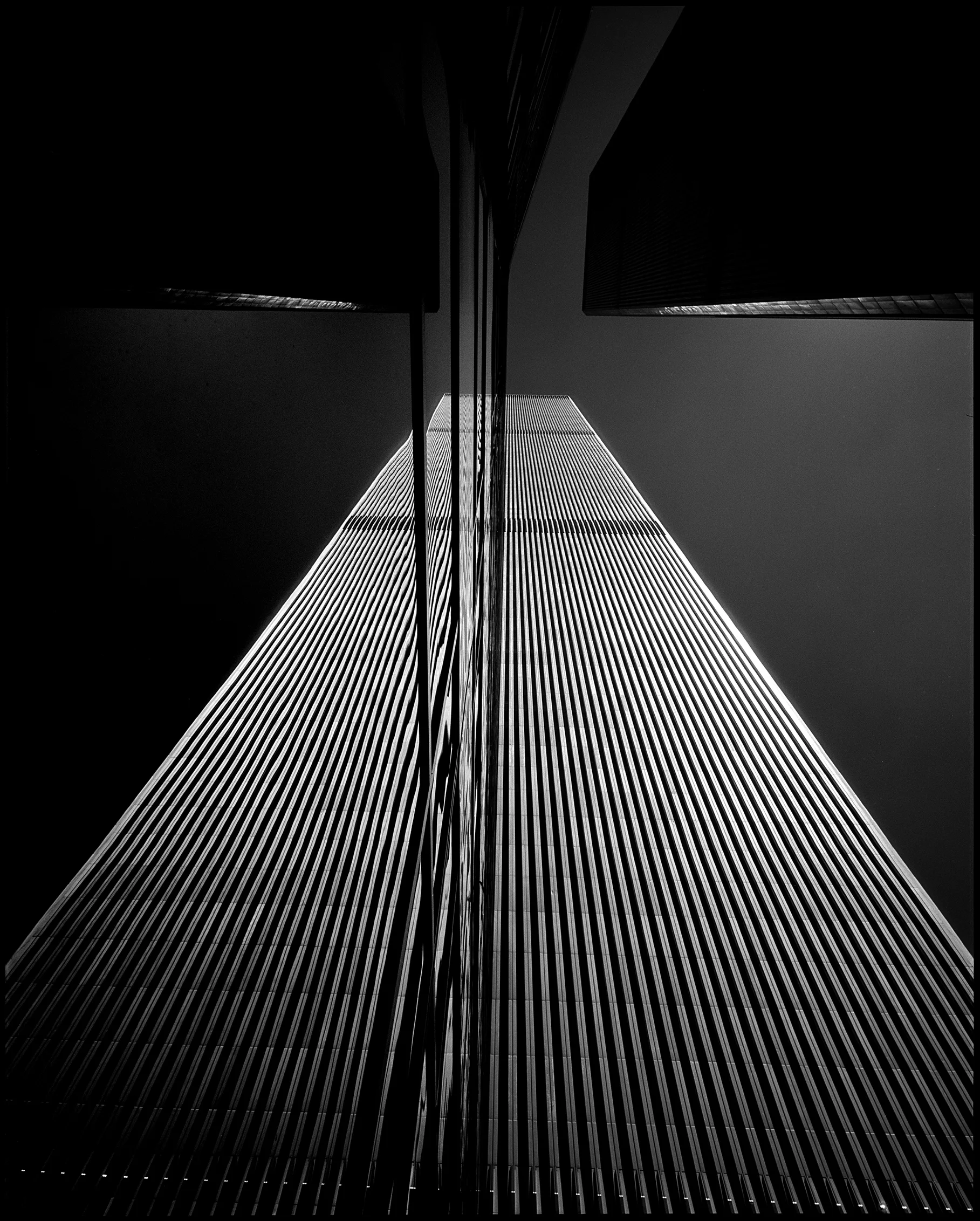
Interview conducted in Mallorca by Dorian Liebmann for Es Mercat Journal. All images by Simon Chaput.
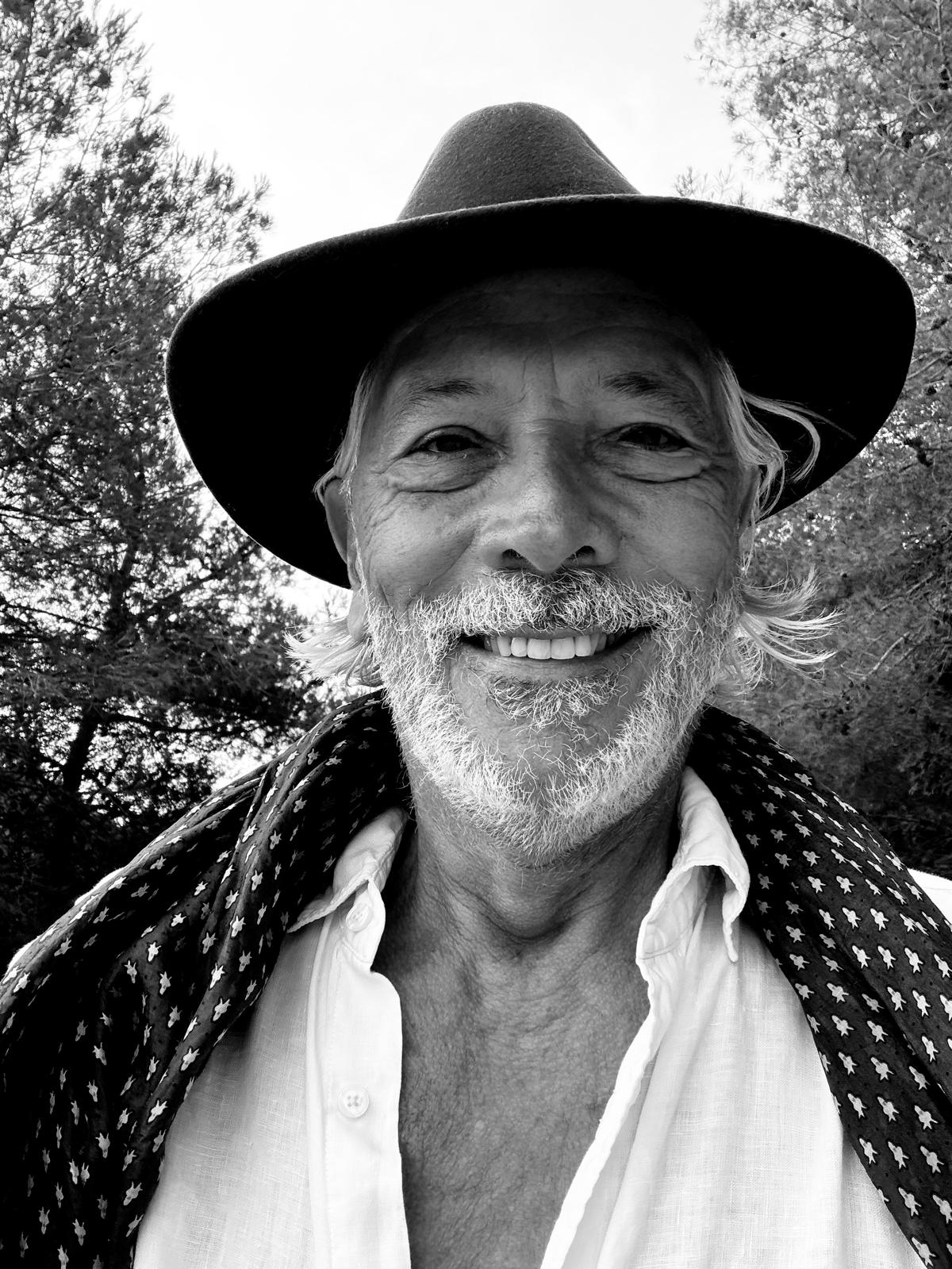
I meet Simon Chaput on a terrace in Mallorca, the kind that faces the sea and makes you forget you had questions prepared. He's been here a few years now — long enough to settle, not so long that he's stopped noticing. Before this it was Miami. Before that, New York for thirty-two years. Before that, a gallery in a small town in France. Before that, military service in Tahiti. Before that, a darkroom he built with his father at twelve years old.
He has had, as he puts it, many lives. All of them seem to have involved a camera.
Let's start at the beginning. You were born in France?
Born in France, English mother, French father. I studied to become a vet, but then I was drafted for military service and lost two years. Couldn't get back into vet school — it was one of the most competitive in France, 8,000 people applying for 300 places. So when I came back, I opened a gallery in a small town in France. Had it for seven years. And then one of the artists I was working with wanted to find a gallery in New York. I went with him, intending to spend a week and come back. I didn't particularly like large cities.
And you stayed thirty-two years.
I fell completely in love with New York.
What was SoHo like when you arrived in '83?
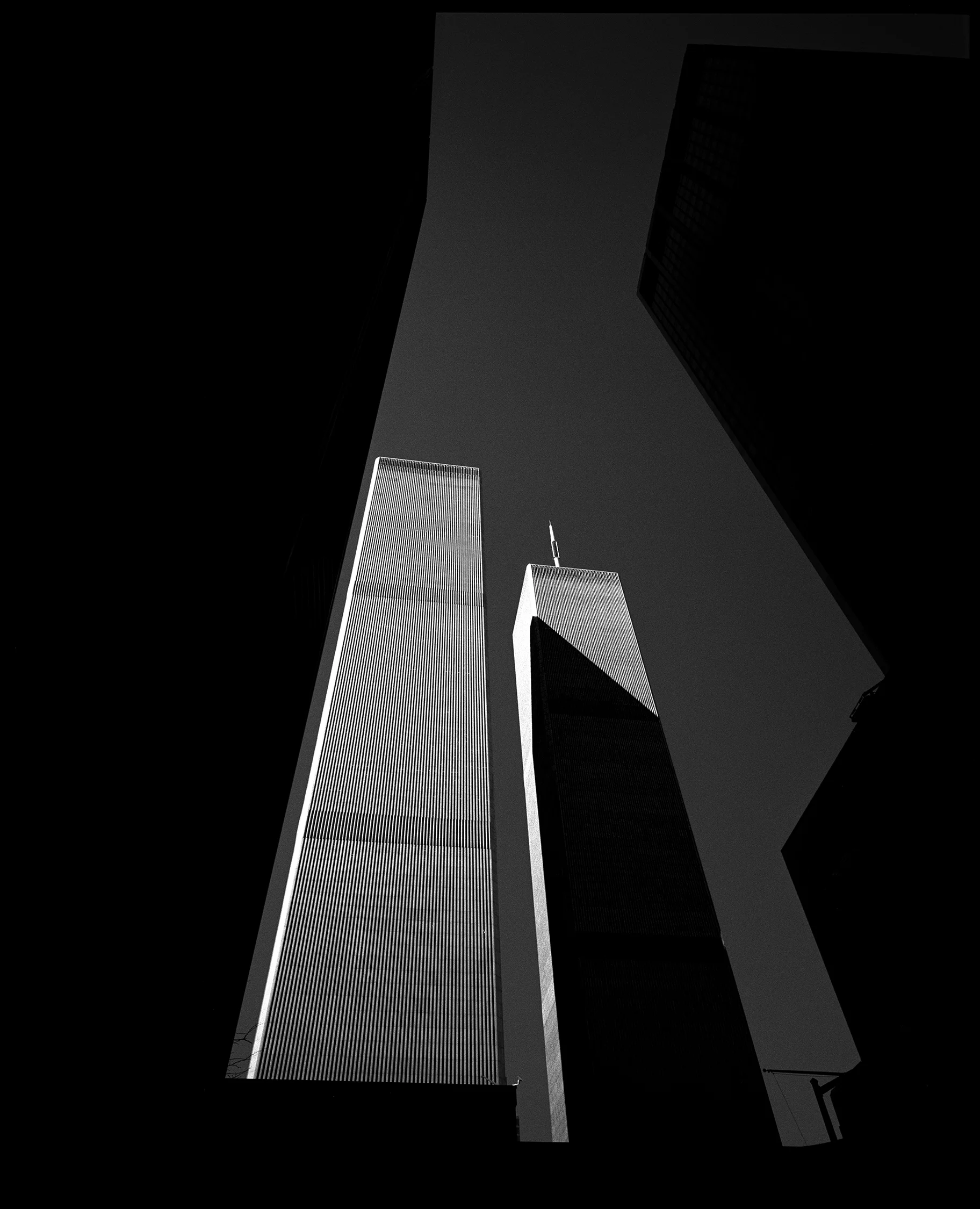
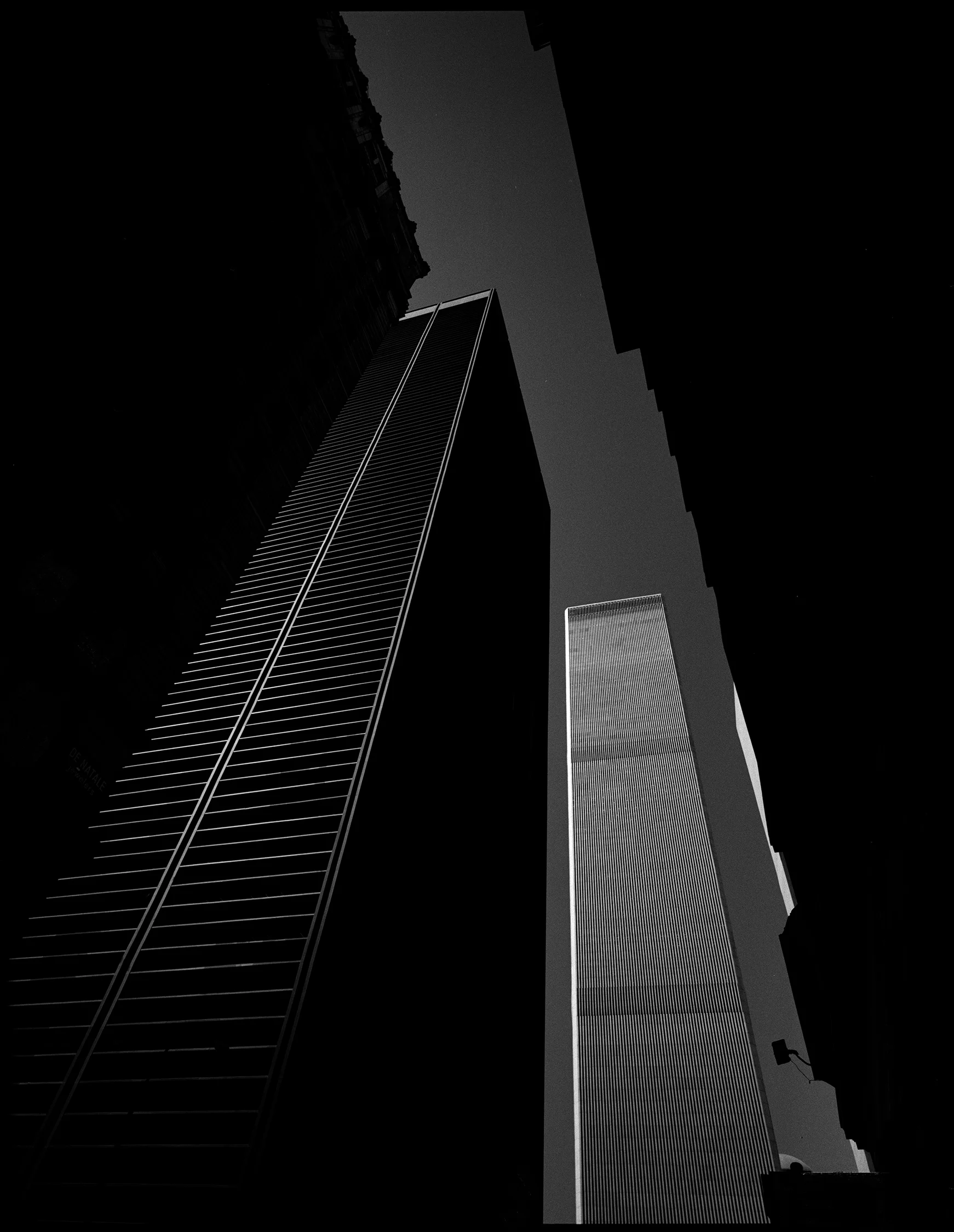
Not at all what it is now. It was all just artists. There were no lights on the streets, the streets were all broken up. Some people would get beaten up — a friend of mine did, I did too once. It wasn't the safest place, but it was fascinating. The galleries were all on West Broadway — Sonnabend, Leo Castelli. It was the centre of the art world.
And you met Christo and Jean-Claude in the first week.
I met them at Christo's studio and they needed help with a voiceover for a film they were making about wrapping the Pont Neuf in Paris, for Jacques Chirac. His voice had been erased and they needed someone who spoke English with a bit of a French accent. So I did it. At the end of the day they said, what do we owe you? I said nothing — it was fun. And they offered me to stay in a flat in their building in SoHo. I got to hang out with all their artist friends. It was a big education and a wonderful, wonderful time in my life.
When did photography start for you?
My father gave me my first camera when I was seven. A little Kodak Brownie. I still have it — it's in my studio storage in Miami.
Your father was a photographer?
He was an English professor, but his hobby was photography. A complete inspiration. When I turned twelve, I was so fascinated by the whole process that he helped me build a darkroom in our house in France. I started printing photographs and really enjoying it.
Darkrooms are a lost world now.
They're magical. You put a white sheet of paper in chemicals and the image comes up slowly — either you get it right or you don't. And then you work it. It takes a lot of time to get a really good print.
Do you still shoot film?
To this day, yes. The wonderful thing about film is you never know exactly what you're going to get. But that's thrilling.
Everyone's a photographer now.
Anybody with an iPhone is a photographer. And the thing is, any photograph you take with an iPhone today, you can make a pretty large print and you can't miss. I'm not saying anything negative about that — it's the evolution of photography. It's just different. I'd come back from a trip with a hundred rolls of film and I had no precise idea what I had.
There's a story you told me about a woman in Norway.
I was photographing on the Lofoten Islands. Taking photographs of everything that inspired me. And at one point she sat down with me — she was a little older, running an art foundation in the south of France — and she said: Simon, if you get home and all your films have nothing on them, what will you remember of this trip?
That's a good question.
It was an eye-opener. If you don't take time to enjoy what's around you before photographing it, you could miss out on other things. And I think today that's a little bit what's happening.
Let's talk about the military service. This is one of my favourite stories.
So in France it was compulsory — after you turned eighteen, you had a year of military service. But it didn't coincide with the school year. I was called up in February. Lost two years to do one year of service. That's why I never got back into vet school.
But you made the best of it.
When I arrived at the military base, it was the finals of the basketball competition between the battalions. I was playing basketball at the third level nationally, so they took me in immediately. I spent the entire month playing basketball and never touched a gun.
Poor France if there'd been a war.
Exactly. And then I asked to be sent as far from France as possible — Outre-Mer, Beyond the Seas. I put in for Tahiti.
And you got it.
By sheer luck. On the Saturday there was nothing available. On Tuesday, the commander says: you've been assigned to Tahiti. I took the military plane — Paris, Montreal, Los Angeles, Tahiti. When I arrived, the commander at the base looks at my paperwork and says, "I don't see your name anywhere. I don't know what you're doing here. Just take a week off and go discover the island."
This is meant to be the army.
They ended up assigning me to a civilian base on Mururoa — the atolls where they did the atomic testing. But my job was teaching sailing, taking people diving, and learning to windsurf. I was on holiday for a whole year.
So how did you end up here, sitting on this terrace?
The decision was Jennifer's. The love of my life. We've been together twenty years. When we left New York for Miami in 2015, she already wanted to come to Mallorca. We'd never been here. She just said, "I want to live in Mallorca."
When we left New York for Miami in 2015, she already wanted to come to Mallorca. We'd never been here. She just said, "I want to live in Mallorca."
Had she seen it?
Maybe a couple of pictures. She always wanted to live on an island. That might be a question you should ask her, actually. But then Covid happened and Miami became a completely different city.
After a few years of being in Miami, after COVID, we realized that we really were ready to move back to Europe and we went back to Jennifer's initial idea of living in Mallorca, being in nature and close to the sea. We came to the island and a friend that lived here picked us up at the ferry very early in the morning. We had two big suitcases and a big black dog and she took us to her finca between Felanitx and Porreres. With her we discovered the area and fell in love with Portocolom and Felanitx and saw the room for living with the locals and the artists, all coming together with the beautiful nature. That inspiration caused us to find a house in this area.
Most of our friends in the US wanted us to go live in Deïa because there are a lot of artists there — painters, writers, photographers — but we love this part of the island. It is still kind of quiet, but you can feel there are a lot of artists and creative people here, and we couldn't be happier to see what is happening in Felanitx and hopefully be a part of it.
Tell me about the book.
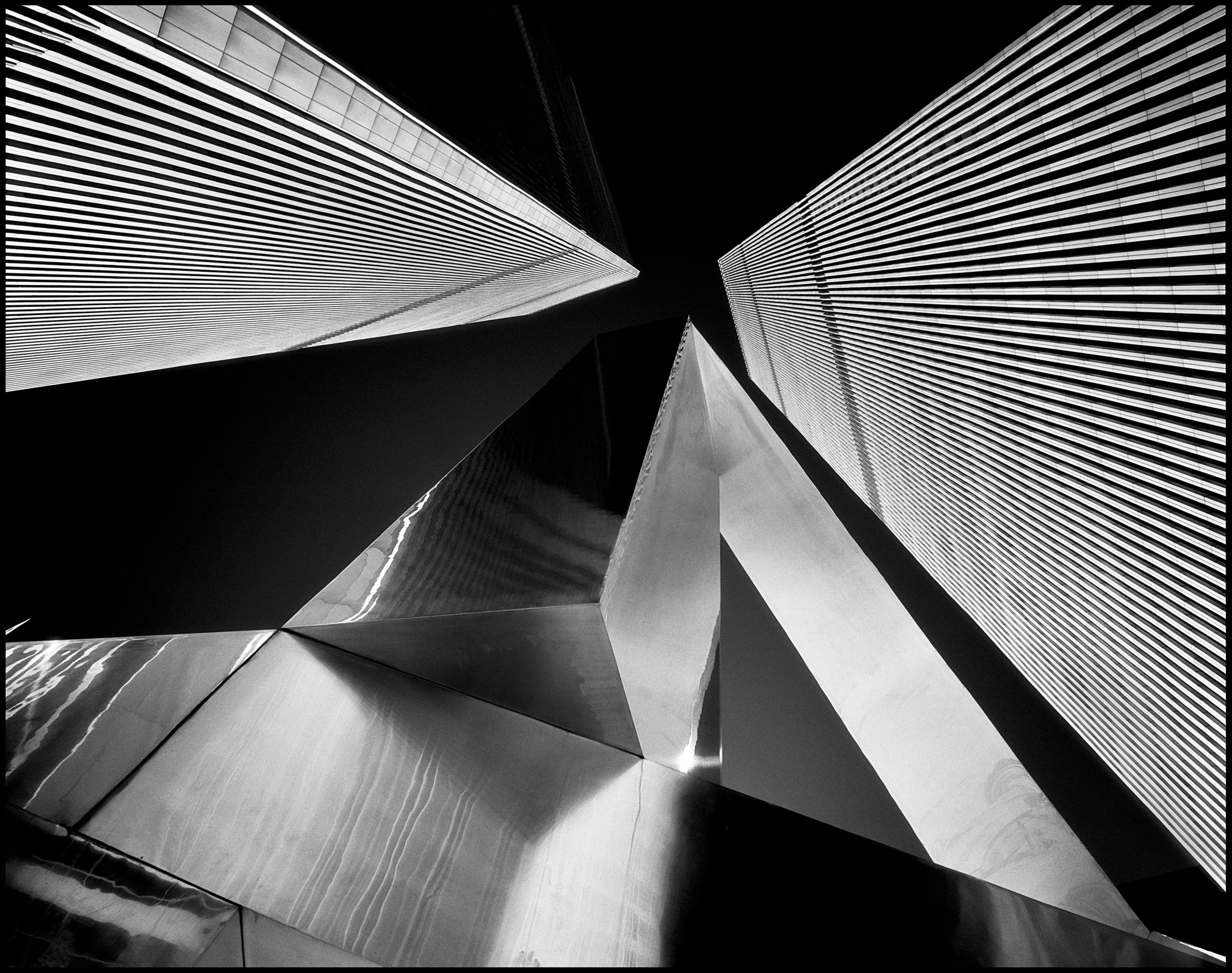
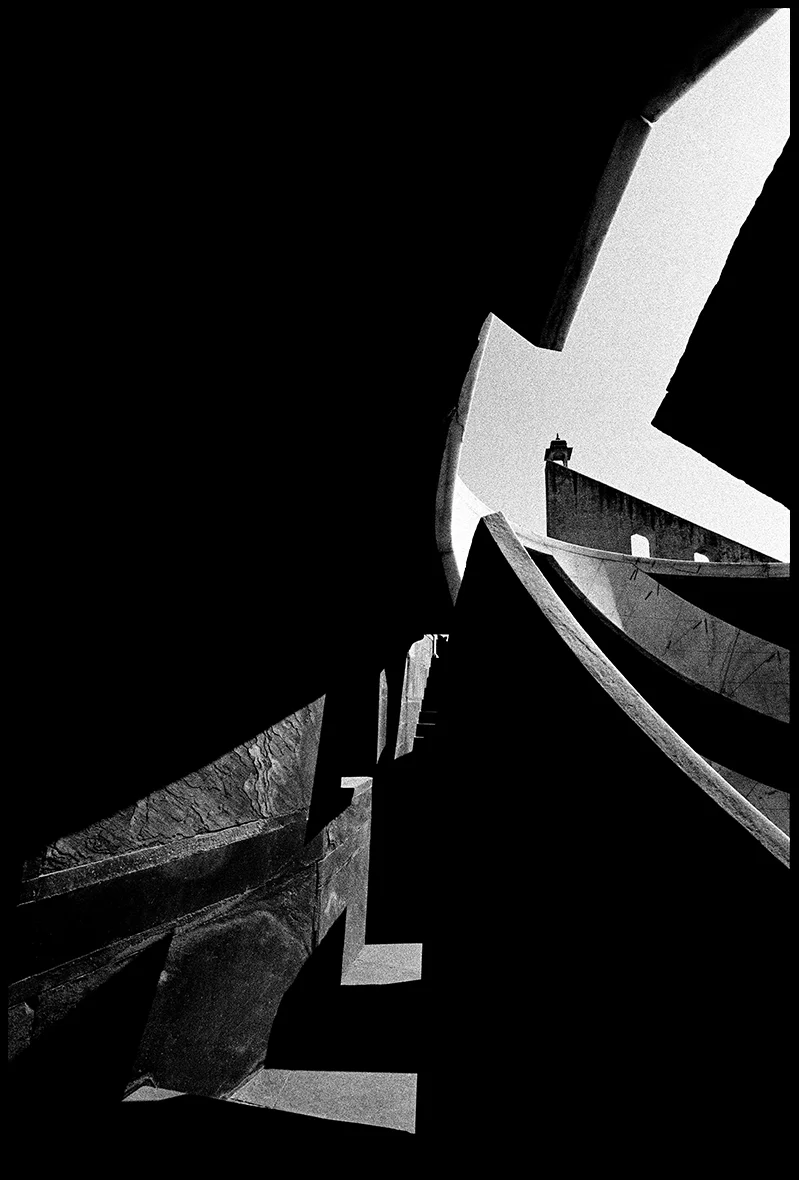
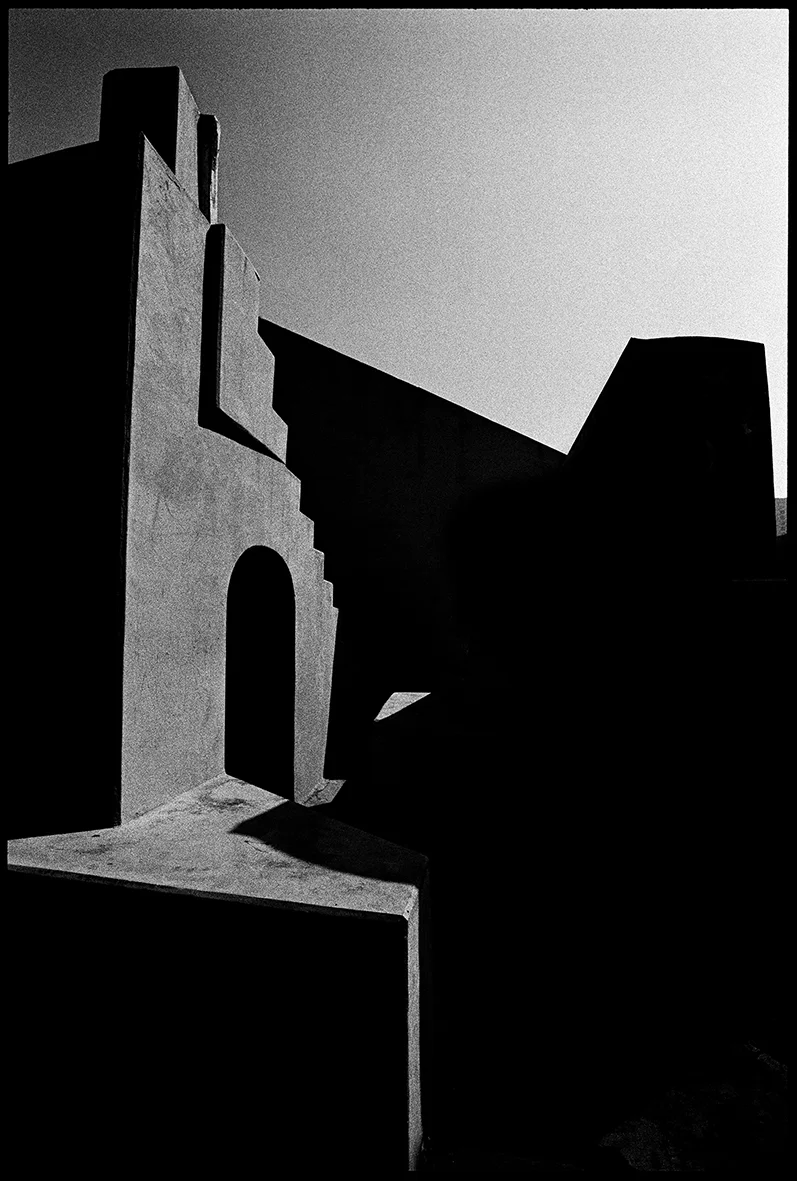
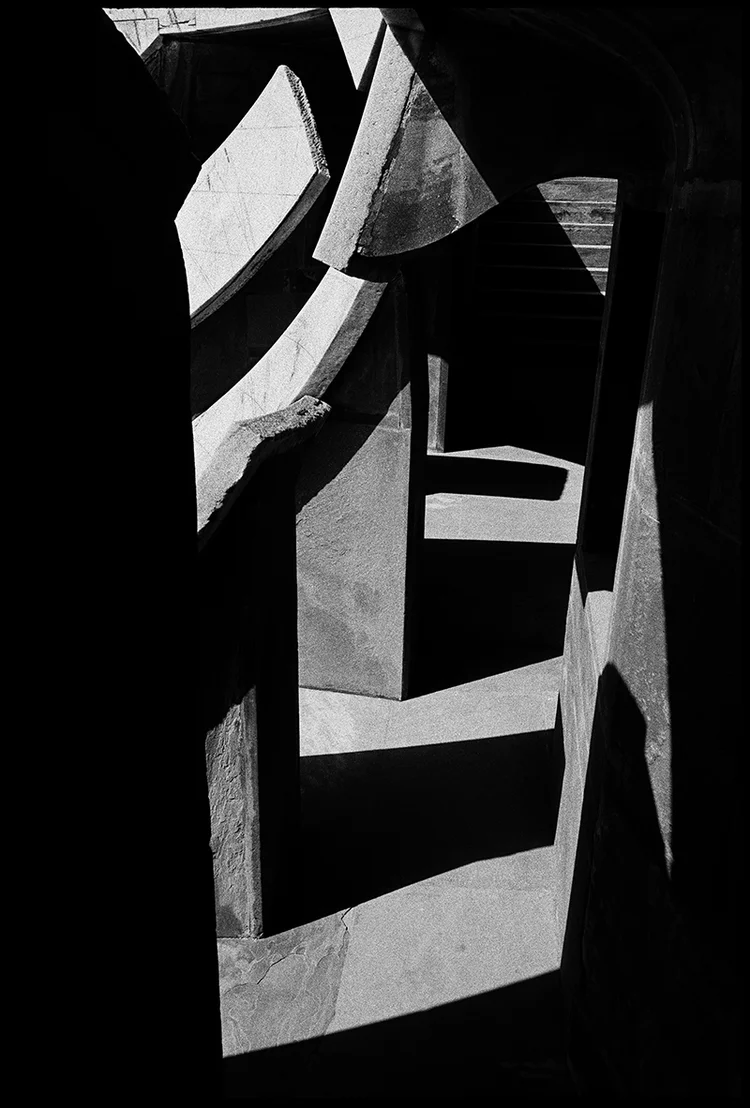
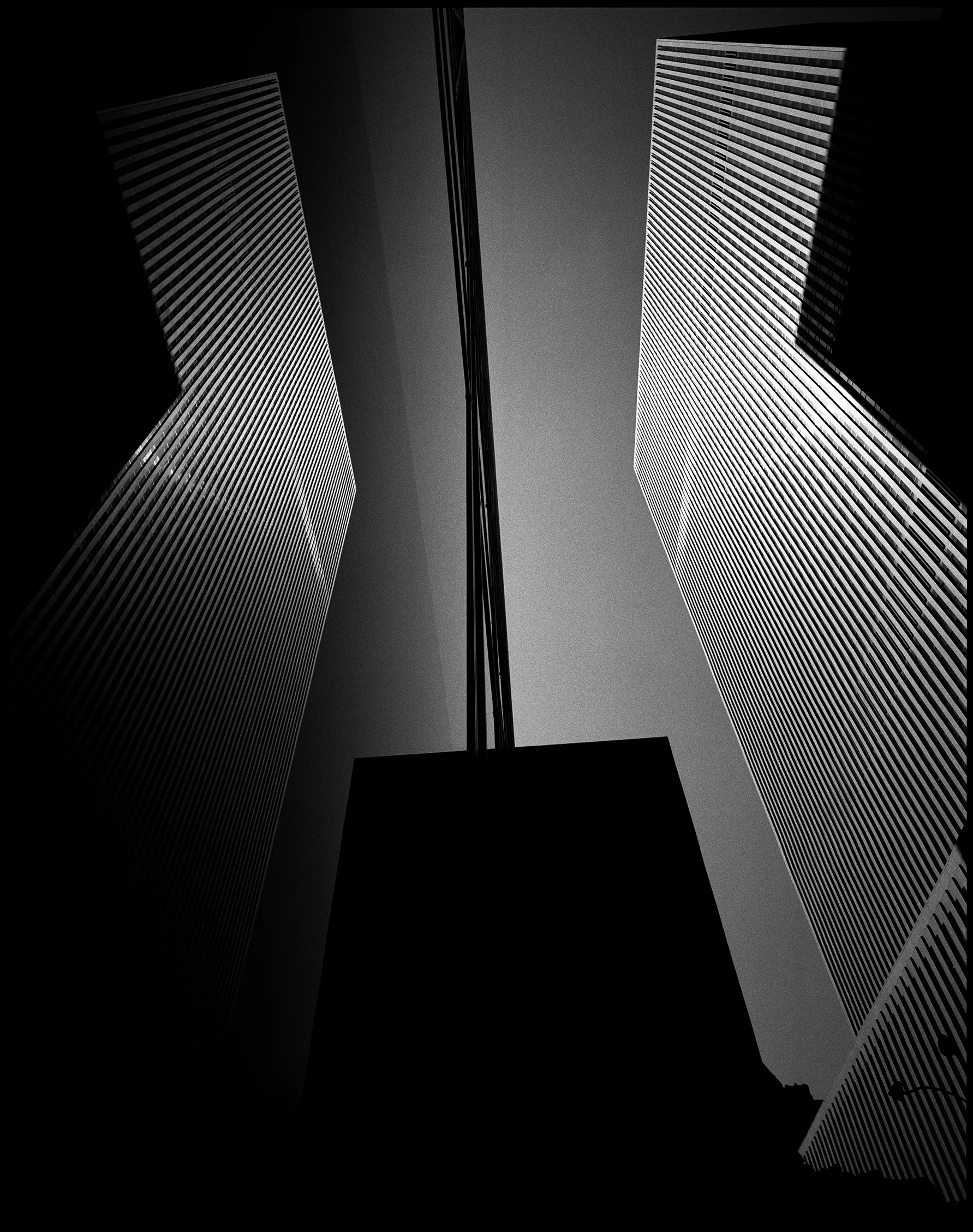
Just before we moved from New York to Miami, I found a box with all my negatives and contact sheets from 1998. Photographs I'd shot at the Jantar Mantar — a stone observatory in India. Two sites, one in Delhi, one in Jaipur. I'd wanted them abstract, like my New York work. Black skies, no people, no sense of scale. But I'd needed seven days of clear blue sky and I got them, and I came back with so many images that it was overwhelming. I couldn't edit them. So I put the box away for seventeen years.
Seventeen years.
When I finally went through them, I made a selection and showed them to Howard Greenberg, my main gallery in New York. He said they were wonderful and introduced me to Chris Pichler at Nazraeli Press. Chris loved them. We made a book. And then I showed the photographs to a dear friend of mine — Salman Rushdie.
And?
Salman said: that's a place I used to go to with my father when I was a kid. I asked if he'd write something for the book. He said, "Do you want me to write about your photographs?" I said no — write whatever inspires you. And he wrote a six-page story set in the Jantar Mantar. In his beautiful style. An exchange between two artists. It was only 1,200 copies. It's out of print now.
There's a beautiful full-circle to this story.
The reason I really got back into photography was Christo and Jeanne-Claude. They'd always invite me to dinners with their artist friends. And somebody I met multiple times through them was Isamu Noguchi — the sculptor. He'd traveled the world for a year with a camera, shooting things to inspire his design. Those beautiful playgrounds with the helicoidal steps. We had all these conversations and I told him about my love for photography. He said: look at me, I just started photographing again out of the blue. If it's your passion, you should do it.
And so you went back to it.
Sadly, he passed away before I could show him the photographs from India. But when the book came out, it was released at the Noguchi Museum in New York. A full circle. An homage to Isamu.
Has the art world changed?
Completely. In the 80s I could call up any artist and say, I'd like to come and visit you. And they'd say yes. We'd meet and sometimes have lunch, anything was possible, there was a curiosity and a desire to exchange ideas, nothing was about money back then.
In the 80s I could call up any artist and say, I'd like to come and visit you. And they'd say yes.
What percentage of artists actually make it?
Probably ten percent. Maybe less. It's really sad. Recently some of the top galleries got rid of many of their artists.
People don't seem to take the time with art anymore.
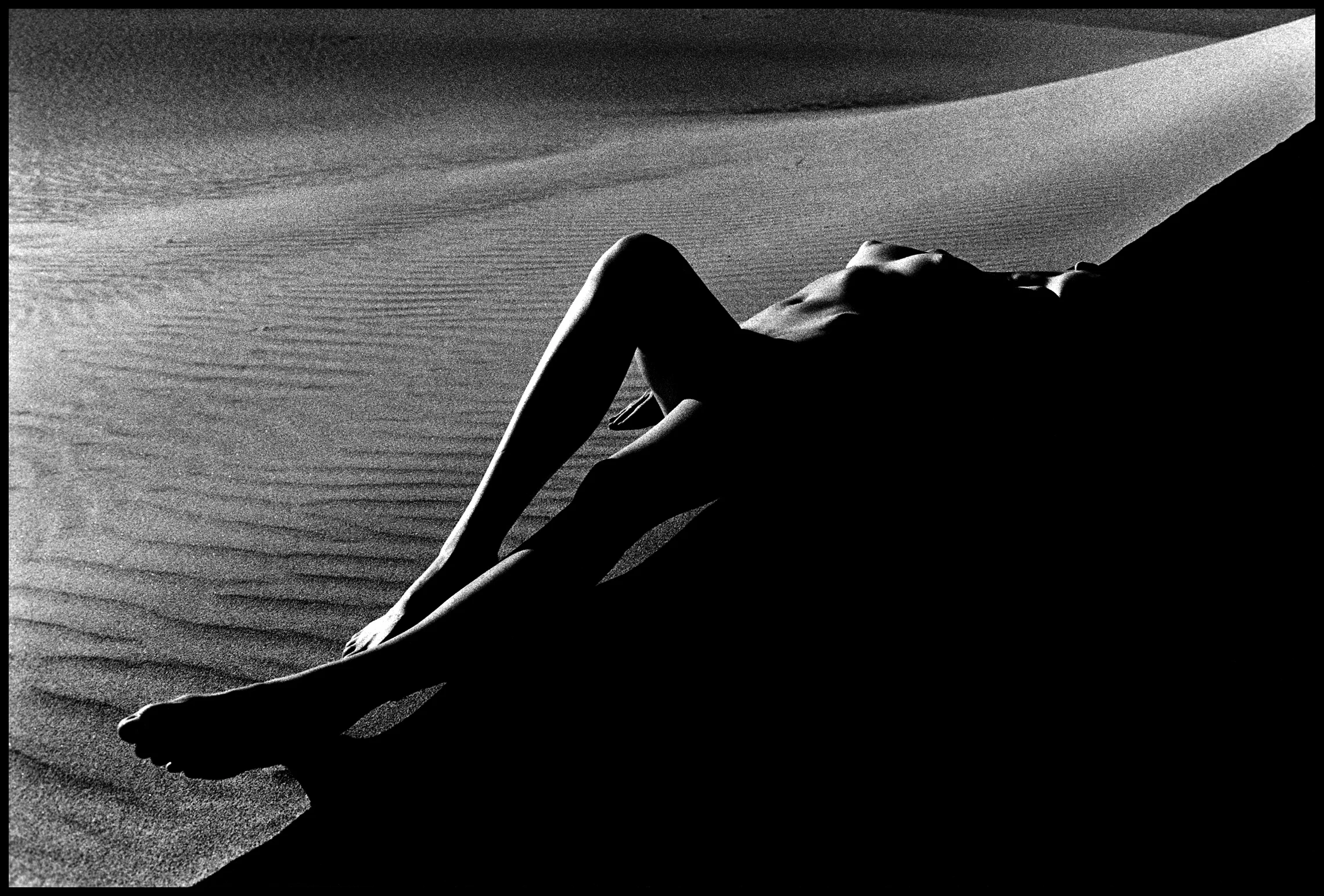
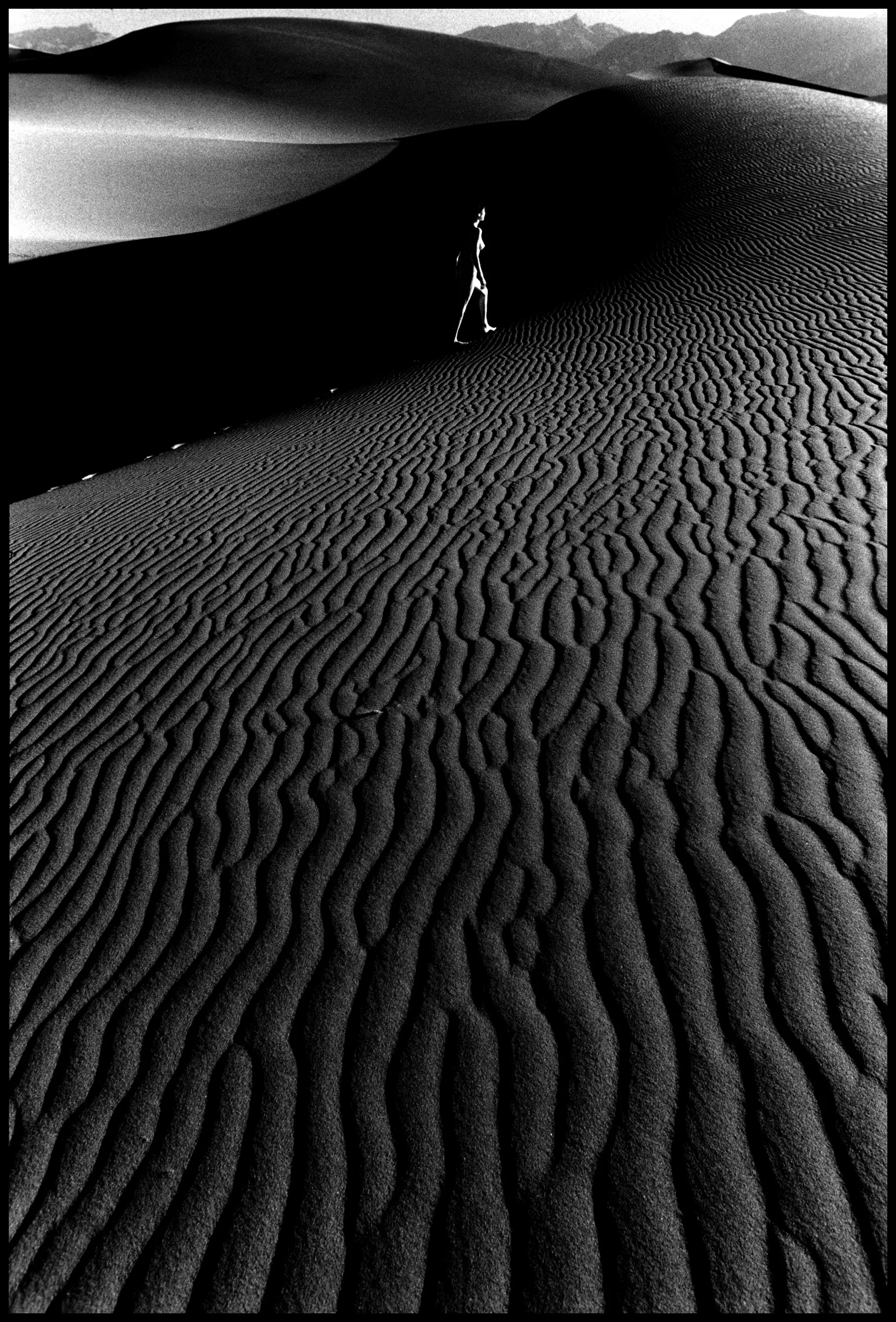
Exactly. It's seeing and being seen. The vernissage is packed — people out on the street because they can't fit inside. And then between the vernissage and the finissage, maybe not so many. My Belgian gallery did something quite wonderful once. He had a huge room downstairs in the gallery and I had one photograph from the nude series called Nude Dune, printed at three metres wide. That was the only work on the wall. One bench in front of it. And a note that said: I want people to just sit there and get lost.
Did they?
Some did. And for me, that was quite wonderful.
Simon Chaput is a French-born photographer and gallerist based in Mallorca. His work is represented by Howard Greenberg Gallery, New York.