Boating - THE LLAUT
The Llaüt.
A Love Letter to Mallorca's Most Honest Boat
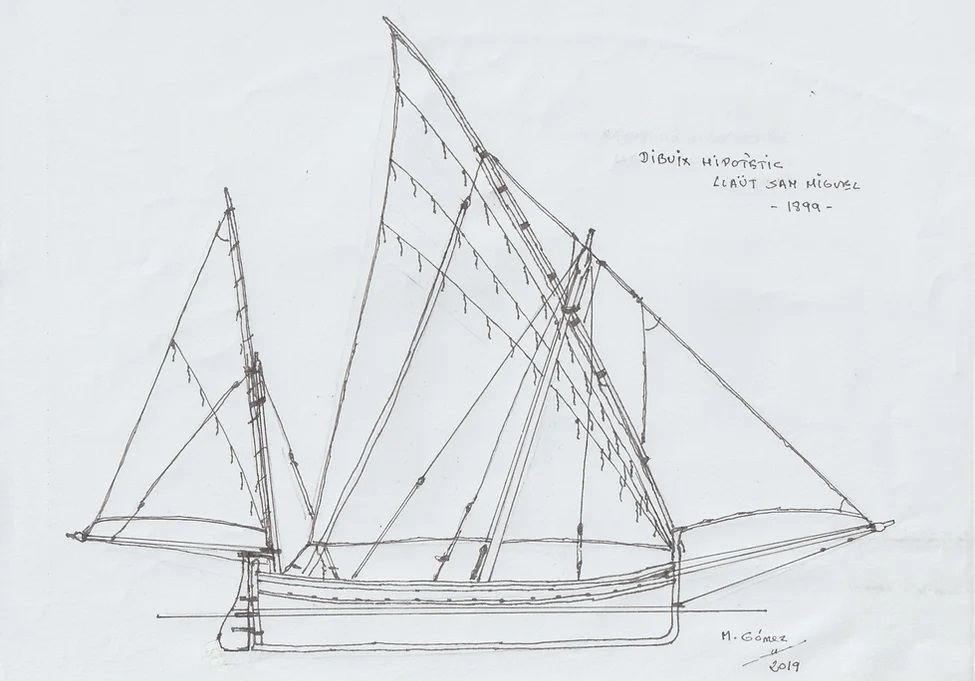
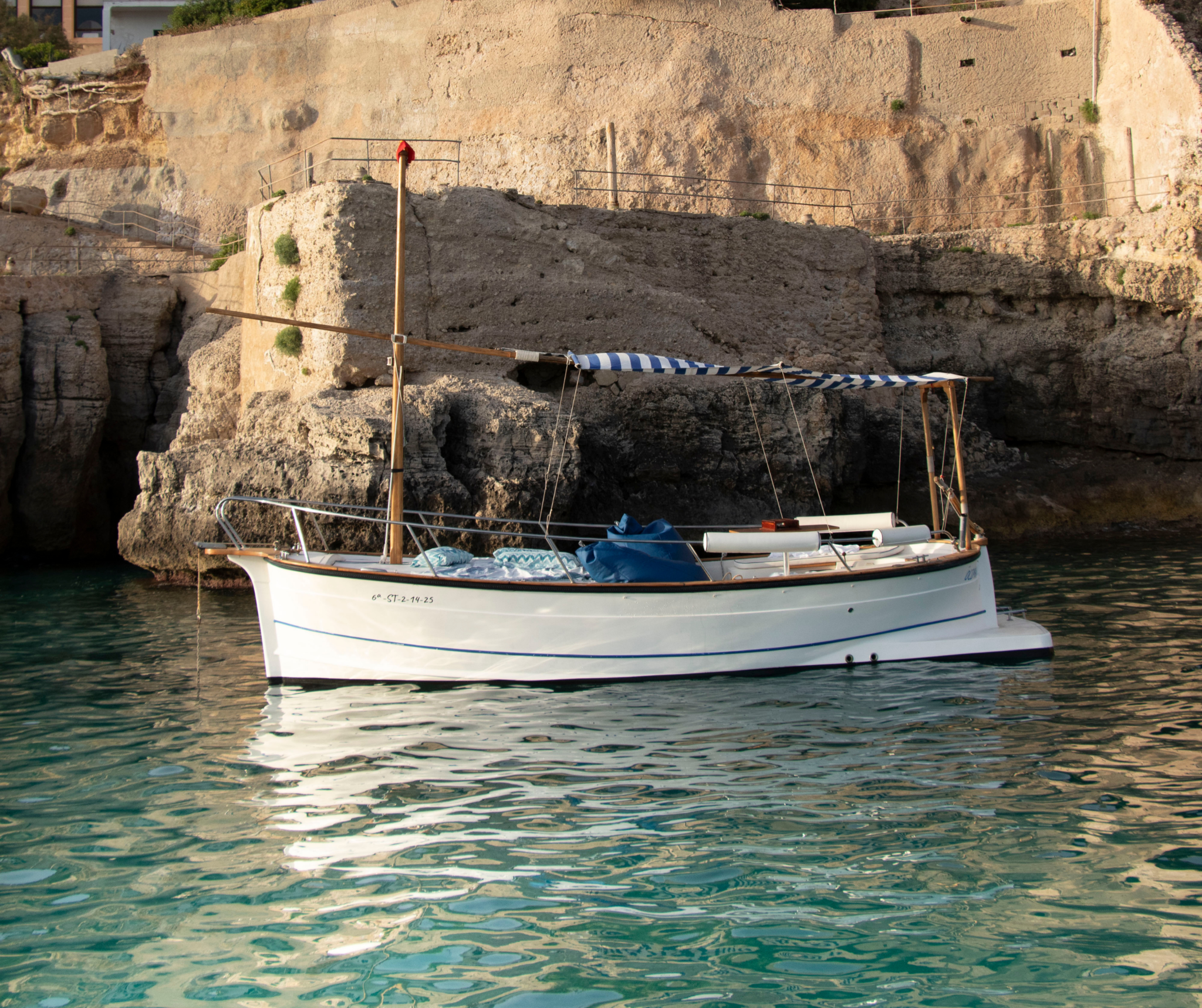
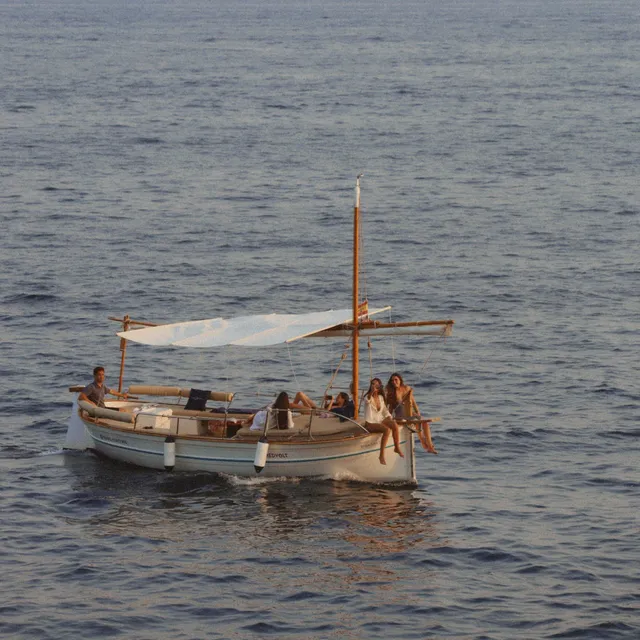
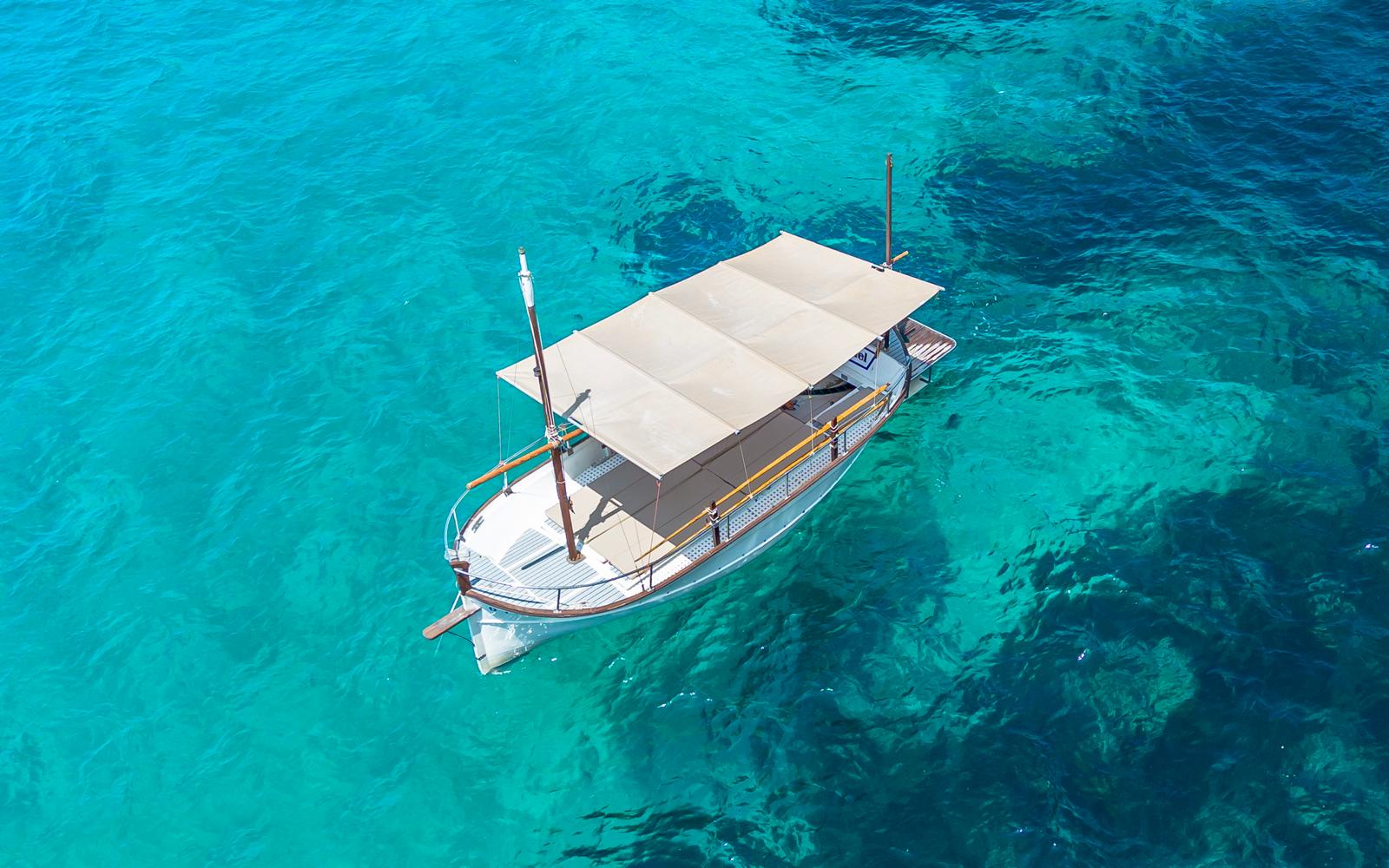
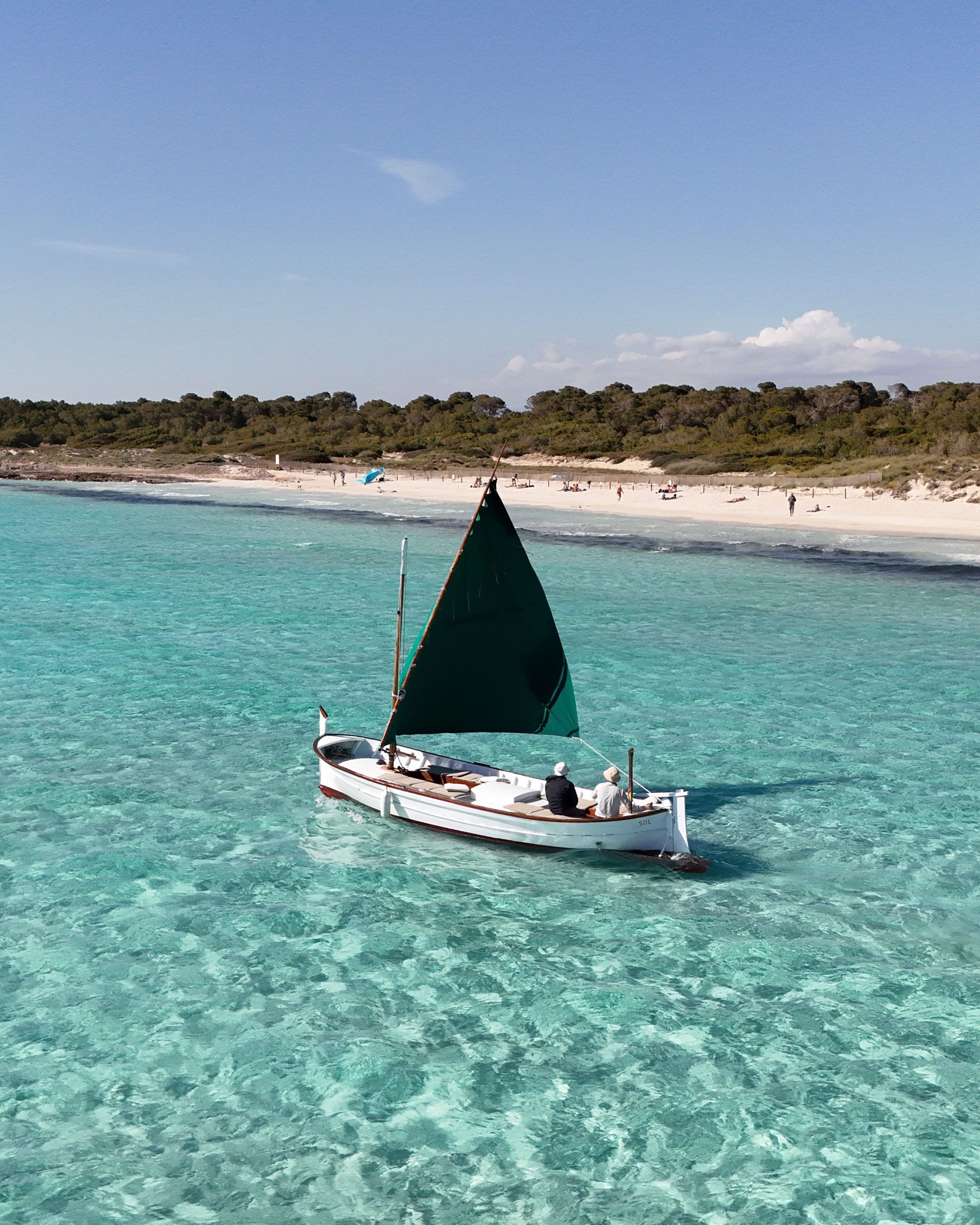
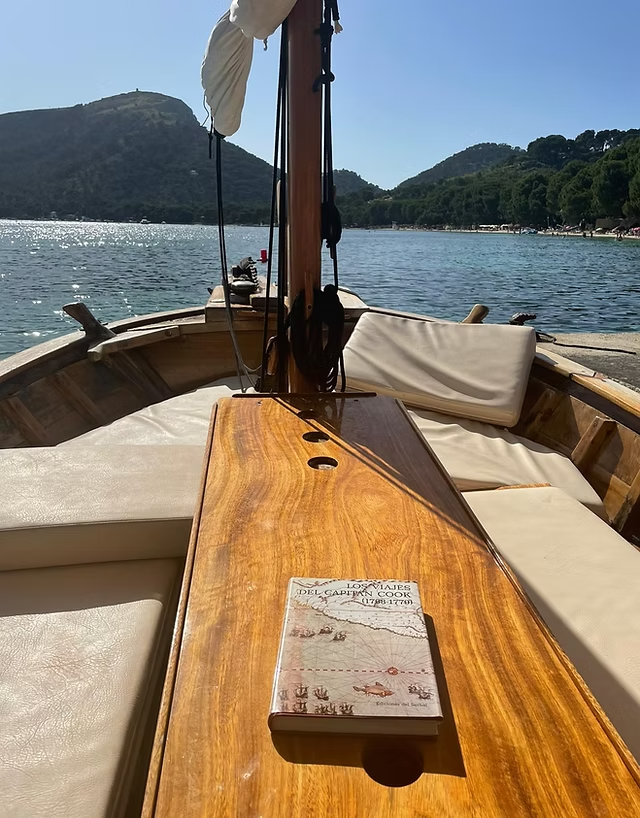
There is no boat in the Mediterranean that carries more soul per plank than the Mallorcan llaüt. You know it when you see it. That modest, bay-leaf curve viewed from above, the low gunwale kissing the waterline, the unmistakable lateen sail catching the Tramuntana like a wing. It is not a boat that asks to be admired. It is a boat that asks to be used.
An Ancient Lineage The llaüt's story begins long before Mallorca had a name anyone now remembers. Its earliest ancestors were Phoenician coastal vessels, light and manoeuvrable, designed for trade and fishing across the ancient Mediterranean sometime around the eighth century BC. The Greeks adapted the form. The Romans spread it further across their maritime empire. But the word itself, llaüt, or llagut in Catalan, comes from the Arabic al-ʿūd, the lute, because the hull's tapered double-ended silhouette was thought to resemble the body of that stringed instrument. It is a boat that owes its name to music.
The first concrete documentary evidence of the llaüt as a distinct vessel type appears in the late Middle Ages, where it was recorded as a lahut, an auxiliary craft serving larger ships for fishing and coastal navigation. By the time of King Jaume I's conquest of Mallorca in 1229, the boat was already woven into the fabric of Balearic seafaring. In those centuries it also served as a felucca, used by corsairs from Eivissa and Menorca, as a diplomatic transport for consuls and officials, and as a mail boat linking the islands long before any ferry existed.
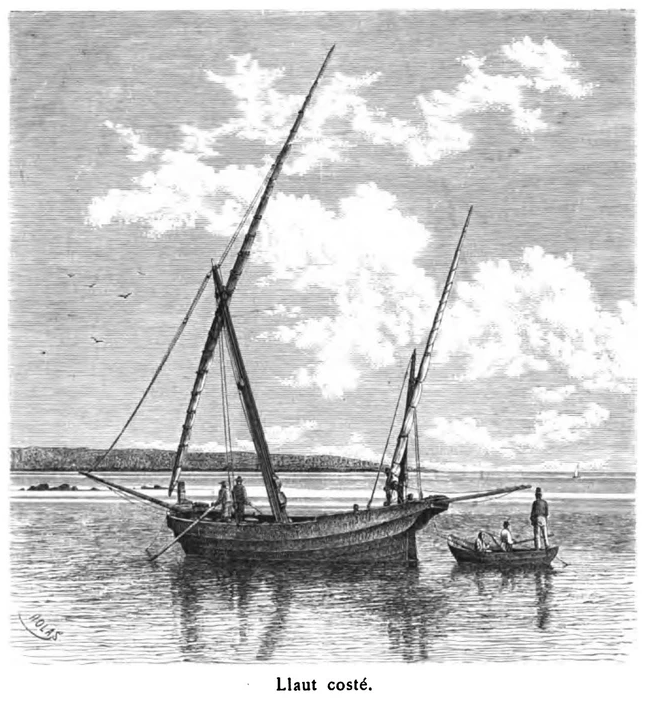
The Golden Age of Trade Between the late eighteenth and early twentieth centuries, the llaüt entered its most ambitious era. Larger versions, some reaching up to twenty metres in length with seven or eight cabins below deck, became the workhorses of Mediterranean coastal trade. The route between Port de Sóller and the ports of southern France, particularly Marseille, Sète, and Nice, was among the most vital. Llaüts carried oranges, lemons, olive oil, wine, almonds, and figs north to France, returning with goods, fashion, and a lasting French cultural influence that shaped Sóller's architecture and dialect to this day.
These were formidable vessels. It is said that a well-rigged llaüt could sail from Barcelona to Port de Sóller in around nine hours, under nothing but lateen sail and with no auxiliary engine. On several occasions, these larger trading llaüts crossed the Atlantic entirely, reaching Cuba, Puerto Rico, Haiti, and even Argentina.
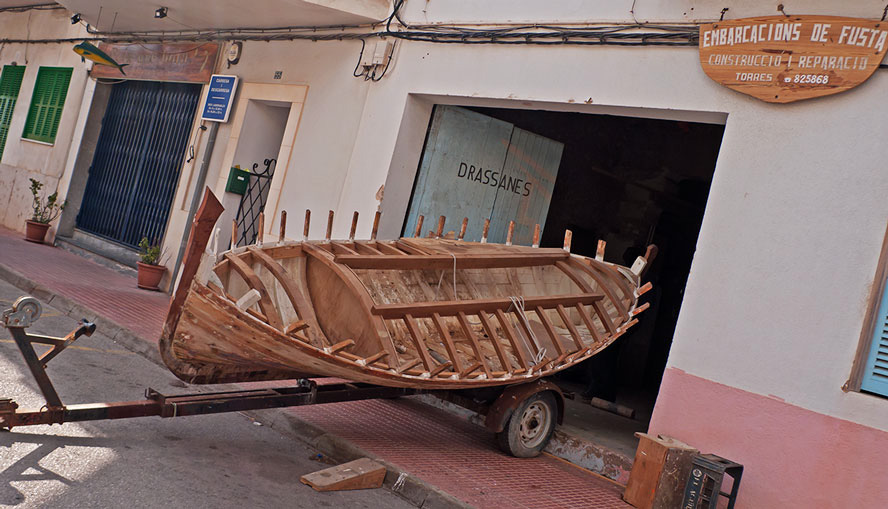
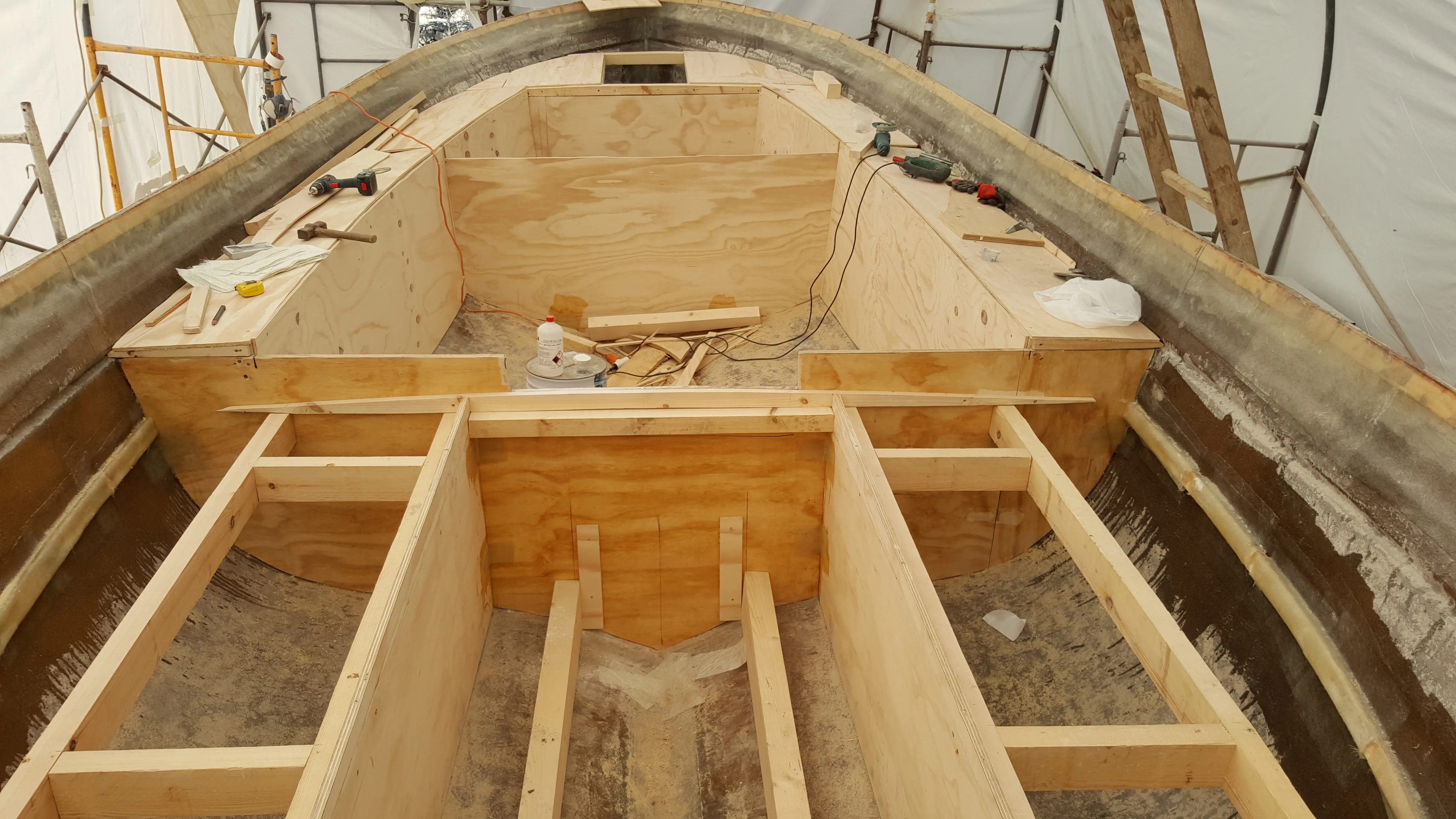
Material and Making The craft of building a llaüt belonged to the mestres d'aixa, the masters of the adze, also known as carpinteros de ribera, the riverbank carpenters. These shipwrights worked in boatyards scattered across the island's coastal towns, Portocolom, Felanitx, Manacor, Vilafranca, Port de Pollença, and they built almost exclusively from what the Mallorcan landscape provided. Aleppo pine formed the hull planking. Olive wood, dense and resilient, was used for the ribs and structural framework. Carob and almond wood served for interior details and fittings. No imported timber. No industrial supply chain. Just the trees on the hillside above the yard.
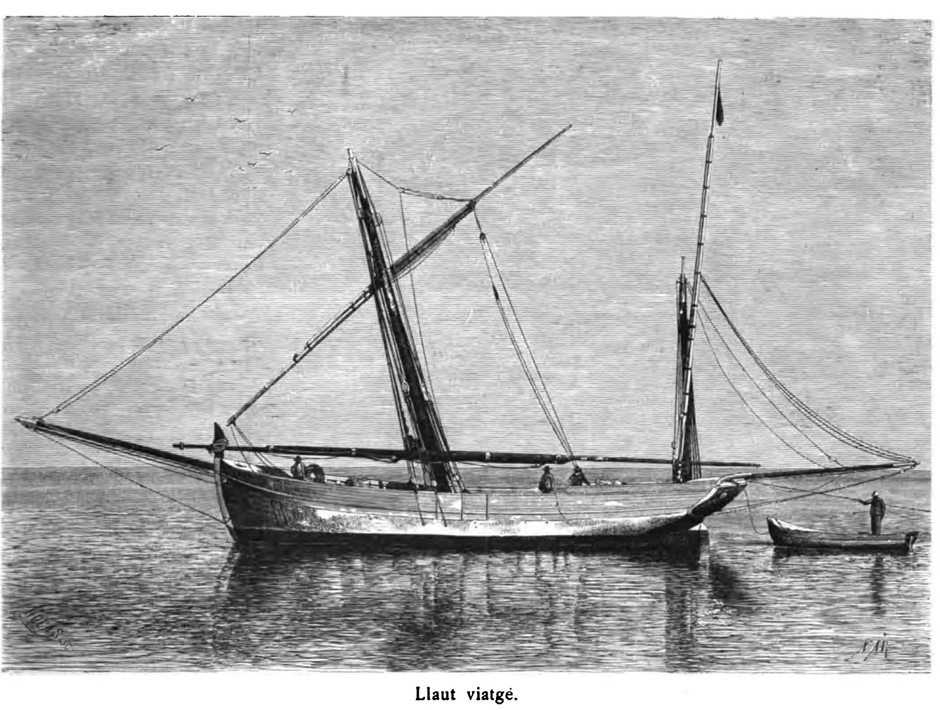
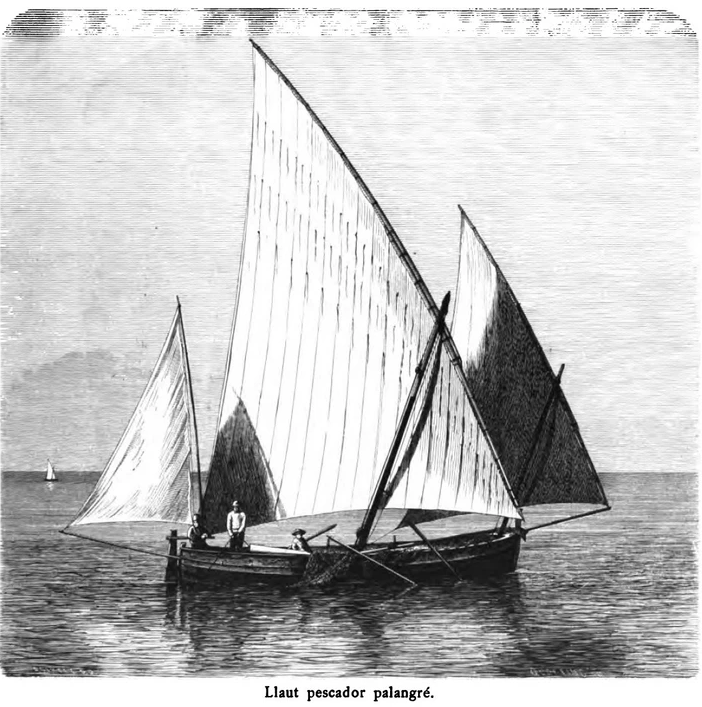
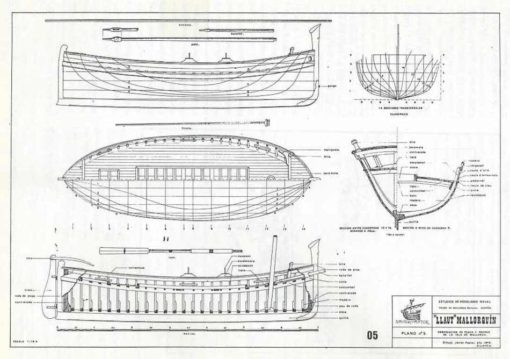
A traditional fishing llaüt measured around four metres in length, carried two or three masts with lateen, or Latin, sails, and could reach up to seven knots. Its defining features were its flat bottom, providing stability in shallow coastal waters, and its double-ended design, with a pointed bow at both ends, allowing exceptional manoeuvrability. The long vertical outboard rudder was another hallmark. It was a boat purpose-built for trawling the rocky calas and open stretches of Mallorca's eastern and southern coasts, where the sea changes mood without warning.
Construction could take several months. The mestres worked without formal plans, shaping the hull by eye and by the inherited knowledge passed from father to son. Very little was written down. Boats were built, sold, and sailed, and the records, if they existed at all, were often incomplete. It was oral tradition made seaworthy.
Decline and Reinvention The twentieth century brought engines, fibreglass, and changing economics. In the 1960s, the llaüt found an unlikely second life in tobacco smuggling, its shallow draft and quiet profile making it the ideal vessel for contraband runs along the coast. But that chapter, too, passed. When fibreglass construction arrived in the early 1960s, pioneered by builders like Juanito Petrus who built the first polyester llaüt, the shift was swift. The old wooden boatyards began to close. The Mestres Creus family of Portocolom, who had shaped timber for generations, saw their world narrow. Progress and social change cornered this vessel, leaving it nearly forgotten. By 2010, only around 653 traditional wooden llaüts remained registered on Mallorca. The craft of the mestres d'aixa itself was on the edge of extinction.
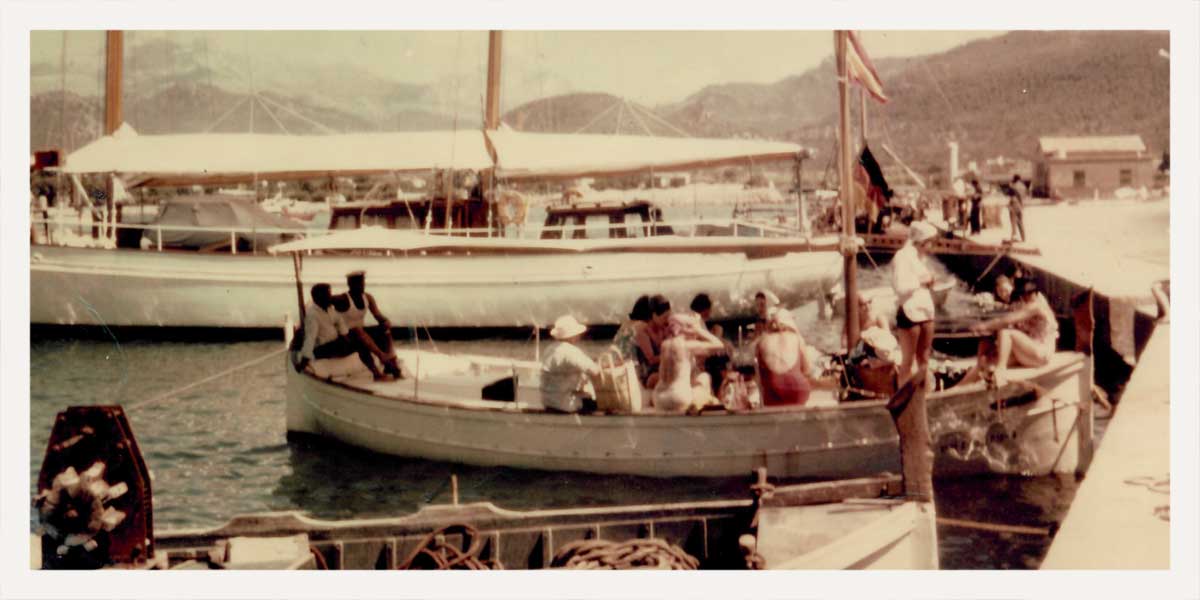
And yet, the llaüt endures. Young shipwrights like Jaume Rotger Castelló in Port de Pollença still build them by hand, spending over a year and a half on a single hull. Schools like the Taller de Mestres d'Aixa del Consell in Palma still teach the old methods to a new generation. Each summer, regattas of lateen-rigged llaüts race along the coast, their sails cutting the light like postcards from another century. Regional differences, once distinct, such as the Menorcan llaüt's slightly higher gunwale to handle the stronger Tramuntana, have softened over time, but the essential character remains.
The llaüt is not nostalgia. It is a living object. A piece of craft that reminds us what it means to build something from the land you stand on, for the water you live beside. On an island increasingly defined by the new, the llaüt remains beautifully, defiantly, the thing it has always been.
Que visqui per sempre.
____
References & Ressources
The School The Escola de Mestres d'Aixa del Consell de Mallorca is the only extant centre for boatbuilder apprenticeship in the Balearic Islands. It first opened in 1991, was interrupted in 1994, and then reopened definitively in 2000, based in a large hangar at the Son Bonet aerodrome near Palma.
Consell de Mallorca, Patrimoni Marítim (school, fleet, educational programme, regatta calendar): www.conselldemallorca.es/patrimoni-maritim Educational visits programme, "Els mestres d'aixa i les barques de Mallorca": www.conselldemallorca.es/-/els-mestres-d-aixa-i-les-barques-de-mallorca Booking visits to the workshop via the Consell's Seu Electrònica: seu.conselldemallorca.net/fitxa?key=46047
Active Workshops and Mestres d'Aixa The private sector in the Balearics has around half a dozen traditional boatyards, located in Alcúdia, Manacor, Porto Cristo, Portocolom, and Can Pastilla, plus Mestre Huguet's workshop in Menorca. Barques de Fusta / Sebastià Vidal (Vilafranca de Bonany). Graduate of the Escola, now teacher at the school. Traditional construction and restoration: barquesdefusta.com/english Drassanes Jaume Cifre (Portocolom). The legendary yard where Sebastià trained under Mestre Jaume Cifre. Two such establishments remain in Portocolom, building and repairing Mallorcan llaüts. Jaume Rotger Castelló (Port de Pollença). Young shipwright who built the llaüt Vell Marí by hand: www.viewmallorca.com/article-single-long/jaumes-llaut-a-story-of-passion-patience-and-preserving-mallorcan-heritage
Museums Museu Marítim de Mallorca (Ses Voltes, Palma). Reopened in October 2025 after being closed for almost two years. Covers shipwrecks, lighthouses, traditional vessels, maritime skills. The online collection includes vessel typology definitions and historical photos: museumaritim.conselldemallorca.es/en/traditional-boats
La Nau Project / Associació d'Amics del Museu Marítim de Mallorca. Launched in 2002 to save traditional vessels from scrapping. The project has saved 25 vessels of various types donated by private owners. The collection is stored at the caves located in Bellver Castle, Palma: www.interregeurope.eu/good-practices/la-nau-project-safeguard-of-traditional-vessels-in-mallorca
Museu de la Mar (Port de Sóller). Opened in 2004 as a research and interpretation centre dedicated to the history of Sóller, its harbour, and their relationship with the sea. Llaüts displayed in the courtyard alongside anchors, cannons, and tools of the mestres d'aixa: www.mallorca.com/en/guide/sights/museu-de-la-mar
Museu Marítim de Barcelona (Drassanes). Holds documentation on the Escola Taller programme and wider Mediterranean boatbuilding tradition: www.mmb.cat
Historical Archives Arxiu del Regne de Mallorca (Carrer de Ramon Llull 3, Palma). The archive holds documentation relating to the Kingdom of Mallorca from the 13th century to the present day, including a dedicated photographic archive. Access requires prior registration. Website: arxiuregnemallorca.com/es Email: arm@arxregne.caib.es Tel: +34 971 177 340
Semanario Sóller Digital Archive (Universitat de les Illes Balears). Digitised newspaper pages from the 1920s and 1930s documenting the Sóller to Marseille llaüt trade era, including shipping adverts naming specific vessels like the San Miguel, Nuevo Corazón, and Providencia: ibdigital.uib.es
Archivo General de la Administración (Alcalá de Henares, Madrid). National Spanish state archive. Holds naval and maritime records, fisheries documentation, and port authority files across the Balearic Islands.
Archivo del Museo Naval (Madrid). Spain's naval museum archive. Maritime charts, vessel registries, and historical naval documentation covering Mediterranean and colonial era shipping.